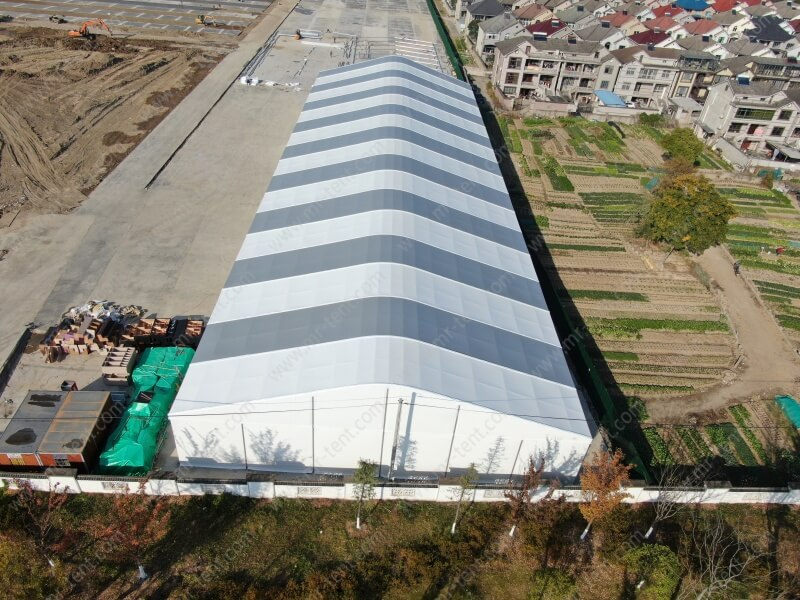
Waterproof Event Tent
This waterproof event tent offers reliable temporary outdoor protection against rain, dew and ground moisture. Supported by a sturdy, corrosion-resistant frame, it uses densely woven coated fabric and sealed seams to stop water penetration. Adjustable side panels and proper tensioning systems help avoid water pooling and reduce condensation. Its performance also depends on careful site preparation, secure anchoring and correct post-use cleaning and drying. Suited for markets, catering and celebrations, it is portable and connectable, though it works best for light to moderate rain and has clear limits in severe weather.
A waterproof event tent serves as a foundational shelter solution for outdoor gatherings, designed to shield participants and belongings from unexpected moisture that can quickly disrupt carefully planned activities. Unlike lightweight casual canopies that offer only basic shade, this style of tent is engineered with moisture resistance as a core function, balancing open, spacious layouts with reliable protection against light rain, drizzle, and damp conditions common to lawns, field spaces, and waterfront locations. The outer fabric forms the first critical line of defense, treated to repel surface water so droplets bead up and slide away rather than soaking into the material. Even when rain persists for extended stretches, the tight weave of the fabric limits water penetration, keeping the interior space dry enough for seating, display setups, catering stations, and guest circulation. Users often choose this shelter type for its flexible footprint, which can adapt to small intimate get-togethers as easily as larger group assemblies. It is important to understand that waterproof performance works alongside proper setup; sagging fabric panels can create pockets where standing water accumulates, gradually overwhelming the water-repellent treatment and allowing seepage. Careful tensioning of every fabric section helps maintain smooth, sloped surfaces that encourage runoff, preserving the dry environment inside the tent. Many people overlook the value of consistent moisture protection until weather shifts suddenly, turning a pleasant outdoor event into a scramble for cover. This tent removes much of that uncertainty, letting hosts focus on engaging guests rather than monitoring cloud cover and preparing emergency backup plans. Beyond keeping rain out, the fabric also blocks ground mist and morning dew that might settle on tables, decorations, and electronic equipment left beneath the canopy. This dual protection against falling and ambient moisture makes it a dependable choice whenever activities move outside the controlled environment of indoor venues.
The structural frame supporting a waterproof event tent directly shapes its stability and how well it holds the taut fabric shell during wet, windy weather. Frames are assembled from smooth, sturdy tubing pieces that connect with precision joints, forming a rigid grid that distributes weight evenly across the entire tent surface. Each vertical leg and horizontal crossbar locks securely into place, eliminating wobble that could loosen fabric tension and create low spots vulnerable to water pooling. The assembly process follows a logical sequence that does not require specialized training, though two or more people working together can speed up setup and reduce strain while lifting the larger fabric cover over the frame. Frame components are finished with a protective coating that resists corrosion when exposed to damp air and splashing rain, preventing rust marks that might transfer onto the fabric or stain flooring placed under the tent. When the tent is packed away after use, the frame pieces separate neatly into manageable lengths for transport and storage, fitting inside standard carrying containers that are easy to load onto vehicles. The design of the frame also creates generous head clearance throughout the interior space, so guests can move freely without ducking, and tall displays, lighting fixtures, and serving equipment can fit comfortably under the peak. Some frame configurations allow side panels to be attached or removed as needed, adding another layer of control over airflow and moisture containment. On humid days, rolling back side panels encourages cross ventilation, reducing trapped condensation that can form on the inner surface of the waterproof fabric even when no rain is falling. Condensation is a natural occurrence when warm, moist air meets cooler material, and thoughtful frame design paired with adjustable side walls helps manage this effect without sacrificing the tent’s ability to block incoming rain. A well-built frame does more than simply hold up fabric; it maintains the intended shape of the shelter through changing weather, ensuring consistent waterproof performance for every use.
Fabric selection is central to the long-term performance of a waterproof event tent, as different textile constructions respond differently to repeated exposure to water, sunlight, and handling during setup and takedown. The most commonly used materials feature a dense base weave before any waterproof coating is applied, because gaps between loose threads would create pathways for water to pass through even with surface treatments. The waterproof coating bonds evenly to both sides of the fabric, creating a continuous barrier that seals thread holes and minor weave openings. Manufacturers apply the coating in a controlled manner to avoid stiffness that would make the fabric difficult to fold, pack, and maneuver. While the coating repels liquid water, it is formulated to retain a small degree of breathability, which helps reduce the buildup of trapped moisture inside the tent space. Over time, friction from folding, rubbing against frame edges, and exposure to strong sunlight can gradually wear away sections of the coating. Gentle cleaning practices help extend the service life of the treatment; wiping away dirt and organic debris after each use prevents grime from breaking down the water-resistant layer. Harsh chemical cleaners are not suitable for this fabric, as they can strip away the coating quickly and leave the material vulnerable to leaks. When storing the tent between events, the fabric must be fully dry before folding. Packing away damp fabric traps moisture inside the folds, encouraging mildew growth that discolors the material and weakens its ability to repel water. Mildew stains are difficult to remove and often leave permanent weak points where water can penetrate in future rain events. With proper care, high-quality waterproof tent fabric can serve through dozens of events, maintaining its protective qualities and keeping the interior reliably dry across many seasons of outdoor use.
Side panels add versatile functionality to a waterproof event tent, letting users adjust the level of enclosure based on current weather conditions and the needs of the gathering. These panels attach along the outer edges of the roof fabric with secure fasteners that form a tight seal where panel and roof meet, a critical detail because unsealed seams are one of the most common locations for water to leak into the tent. When light rain falls and wind carries droplets sideways, zipping or fastening the side panels closed creates a full enclosed space that blocks blowing rain and spray. On mild, dry days, panels can be left completely detached to create an open-air pavilion that still offers overhead cover from sudden showers. Many side panels include clear window sections, which preserve natural light inside the enclosed tent while maintaining the waterproof barrier. This is especially useful for events where displays, merchandise, or seated dining areas need to stay visible and bright without direct exposure to rain. Some panels feature door openings with heavy-duty zippers, creating entry points that can be closed quickly when rain picks up. The zippers themselves are constructed with moisture resistance in mind, and overlapping fabric flaps cover the zipper track to stop water from working its way through zipper teeth. Users can choose to attach only partial sections of side panels, covering windward sides while leaving other sides open for airflow. This partial enclosure strategy balances rain protection with ventilation, helping to minimize condensation on the inner roof fabric. Side panels also provide secondary benefits beyond waterproofing, blocking wind chill and offering a measure of privacy for the activities taking place under the tent. Having the option to modify enclosure means the same single tent can adapt to rapidly shifting weather patterns that often occur during outdoor functions.
Seam sealing represents a subtle yet indispensable part of the waterproof event tent’s design, because stitching required to join separate fabric panels creates tiny holes that water can follow. Every seam where two pieces of roof or side fabric are joined receives a sealing treatment that covers the stitch lines and fills the openings left by the needle. This sealant bonds firmly to the tent fabric and remains flexible as the material bends and folds during packing and setup. Without this treatment, rainwater can travel along the thread wick-style into the interior, even if the main fabric sheet itself is fully waterproof. Seams along roof peaks, where water naturally collects and flows downward, receive extra attention, as these areas see the highest volume of running water during rainfall. Users should inspect seam lines from time to time as the tent ages, checking for peeling, cracking, or thinning of the sealant along stitched joints. Minor worn areas can be refreshed with compatible seam seal products, restoring the barrier and preventing small leaks from developing into larger problems. It is important to distinguish between seam leaks and condensation; condensation appears as fine mist or droplets spread evenly across the inside fabric, while seam leaks produce localized drips originating directly along stitch lines. Recognizing the difference helps users troubleshoot correctly instead of assuming the entire waterproof coating has failed. Proper handling reduces stress on seams, as pulling fabric too tightly during setup can stretch stitch lines and damage the sealant over time. Slow, even tension across the whole tent surface distributes load evenly and protects sealed seams from unnecessary strain. Careful attention to seam quality separates dependable waterproof event tents from basic canopies that may keep out direct overhead rain but fail when water runs along joined fabric edges.
Ground preparation plays an often overlooked role in maximizing how well a waterproof event tent performs during wet conditions, as moisture can rise upward from the ground just as easily as it can fall from above. Before erecting the tent, the site should be evaluated for low spots where rainwater pools on the surface. Setting up directly in a depression means runoff will flow toward the tent perimeter, increasing the chance that water seeps underneath the fabric edges or saturates flooring placed inside. Gentle slopes that direct water away from the tent footprint are ideal. Ground surfaces can range from short grass and packed dirt to pavement, each requiring slightly different anchoring methods. Anchoring points secure the tent firmly to the ground, preventing shifting in wind that might pull fabric loose and break the smooth water-shedding shape. Stakes work well on soft ground, while weighted anchors are suitable for hard surfaces where stakes cannot be driven down. A ground sheet placed within the tent boundary adds another layer of protection against damp earth, mud, and splashing rain. The ground sheet sits on the soil or pavement beneath tables and guest areas, stopping ground moisture from soaking rugs, seating cushions, and storage boxes. It is sized to stay fully inside the tent perimeter, so rainwater running down the tent walls does not flow onto the edge of the ground sheet and channel water underneath. Trimming away tall grass and debris before setup also reduces abrasion to the bottom edges of the tent fabric, which would wear the waterproof coating faster. Taking time to prepare the site reduces the burden placed on the tent’s waterproof materials, creating a complete moisture management system that addresses water from above and below. Good site preparation works hand in hand with the tent’s built-in features to keep the interior dry and comfortable through wet weather.
Anchoring and tension systems are designed to keep the waterproof event tent’s fabric held in the correct shape, which is the key to letting water run off rather than pool. Guy lines connect from anchor points on the outer tent edges to fixed weights or stakes, pulling the fabric outward with consistent tension. When tension is balanced on all sides, the roof maintains a smooth, sloped profile, and water follows the natural angle down toward the edges instead of settling in pockets. Even a small sag in one section of the roof can collect rainwater, and the weight of accumulated water stretches the fabric further, worsening the sag and creating a cycle that can eventually cause fabric damage or leaks. Adjustment points on the guy lines let users fine-tune tension after the tent is first erected, and again after rain begins, because wet fabric stretches slightly under its own weight. Anchors must be matched to the surface and expected wind conditions; lightweight anchors may hold the tent steady on calm days but shift when wind pushes against the large flat surface of the tent walls and roof. Wind amplifies the challenge of waterproof performance, as gusts drive rain horizontally and can distort the tent shape if anchoring is insufficient. The tensioning hardware is simple to operate, allowing adjustments without specialized tools, though it is wise to check anchor stability periodically throughout an extended event. Users should avoid over-tensioning the fabric, as excessive pull puts stress on seams and can tear fabric or pull fasteners free. The goal is balanced tension, firm enough to prevent sagging yet gentle enough to preserve the integrity of the fabric and sealed seams. Mastering the adjustment of anchors and tension lines turns a static shelter into a responsive system that maintains its waterproof geometry through changing wind and rain conditions.
Cleaning, drying, and storage routines directly influence how long a waterproof event tent retains its ability to repel water, and these steps begin immediately after the tent is taken down at the end of an event. If the tent was used in rain, the fabric must be spread out fully and allowed to air dry completely before packing. Even fabric that feels dry to the touch can hold trapped moisture deep within folds and along seams, and folding damp material creates a dark, still environment that accelerates mildew growth. Mildew eats away at the waterproof coating and leaves permanent discoloration, weakening fabric fibers and creating permanent leak points. Drying should take place in shaded, well-ventilated space; direct intense sunlight for long periods can degrade the waterproof treatment and fade fabric color. When cleaning is needed, only mild, gentle cleaning solutions paired with soft sponges or brushes are used to lift dirt, pollen, food spills, and mud. Scrubbing aggressively scrapes away the surface coating and scratches the sealed seams. After cleaning, the tent is rinsed lightly with low-pressure water and dried fully once more. Once dry, the tent can be folded loosely rather than creased along the same sharp lines every time. Repeated folding along identical creases creates wear lines where the waterproof coating cracks prematurely. Storage spaces should be cool, dry, and free from pests that can chew holes through fabric. The tent and frame components are kept separate or packed loosely to avoid sharp metal edges rubbing against the fabric during storage or transport. Following this routine after every use preserves the tent’s protective properties, so it is ready to deliver reliable waterproof performance for the next outdoor gathering, no matter what weather may arrive.
Practical applications for a waterproof event tent stretch across many different kinds of outdoor activities, all sharing the common need for a dry, covered space that can be deployed quickly. Community gatherings, seasonal markets, outdoor exhibitions, pop-up dining experiences, and celebration receptions all benefit from the shelter it provides. For market vendors, the tent protects displayed goods, payment equipment, and inventory from sudden rain, allowing trading to continue without rushing to pack everything away. Catering teams use these tents to set up serving stations, keeping food prep areas dry and shielding servers and guests while meals are distributed. For celebrations, the tent creates a defined space for seating, music, and activities, turning an open field or garden into a comfortable venue that is not derailed by light rain. Many organizers prefer this tent style because it can be expanded by connecting multiple units together, creating larger continuous covered areas when the group size exceeds the footprint of a single tent. Connected tents share a compatible joining system that seals the gap between adjacent roof sections, preventing water from dripping through the joint where two shelters meet. Sporting events and training sessions also use these tents as rest zones, medical check-in areas, and equipment storage, keeping gear and participants out of rain and damp. The portable nature means the tent can travel between different locations, supporting a rotating schedule of events across weeks or months. Because the tent is temporary, it does not require permanent construction work, and it can be removed entirely once the event concludes, leaving the original outdoor site unchanged. This combination of mobility, adaptable size, and dependable moisture protection makes the waterproof event tent a versatile solution for anyone planning activities that take place outside the safety of fixed building structures.
Understanding the limits of a waterproof event tent helps users set realistic expectations and avoid misuse that could lead to unexpected leaks or damage. While it performs reliably against light to moderate rain, sustained heavy downpour paired with strong wind creates extreme conditions that push the design boundaries. Driving rain blown at high speed can force water past seals and fabric barriers, especially if side panels are open or tension cannot be maintained. It is also important to recognize that waterproof fabric is not impervious to every possible moisture scenario, and condensation remains a separate consideration. When many people gather inside the enclosed tent, their breath and body heat release moisture into the air. If outside air temperature is much cooler, that moisture condenses on the inner roof surface and falls like fine drizzle, even when no rain is falling from the sky. Managing condensation relies on airflow, which means opening side panels partially when safe to do so. The tent is not designed for permanent year-round outdoor installation; prolonged exposure to constant sunlight, heavy snow load, ice, and sustained storm conditions will degrade the fabric coating and frame finish far faster than intermittent event use. Snow weight on the roof creates heavy downward pressure that sags fabric, breaks tension, and may bend frame tubing, so accumulated snow must not be allowed to rest on the tent surface. Proper use means the tent is erected only for planned temporary events, monitored during weather shifts, and taken down when conditions exceed its intended operating range. Knowing these boundaries lets users plan intelligently, using the tent where it excels and arranging alternate indoor backup plans when forecasts predict severe weather. Used within its intended scope, the waterproof event tent delivers consistent, reassuring protection, turning unpredictable outdoor weather from a major risk into a manageable detail for any well-organized gathering.