Event Tent
Event tents have become an indispensable facility for all kinds of outdoor activities, serving as practical and flexible shelters for both commercial and private gatherings. Designed to adapt to diverse scenarios, they are widely used for weddings, birthday parties, corporate exhibitions, community events and outdoor markets, effectively protecting participants from harsh sunlight, sudden rain and light wind. Most modern event tents feature lightweight, durable waterproof fabrics and sturdy metal frames, ensuring stable performance and easy assembly and disassembly. They come in various sizes and customizable styles to match different event scales and thematic designs, allowing organizers to create comfortable, tidy and exclusive activity spaces. Portable and reusable, these tents not only improve the overall experience of outdoor events but also cut down venue costs, making them a cost-effective, user-friendly solution that balances functionality and practicality for casual and formal outdoor occasions alike.
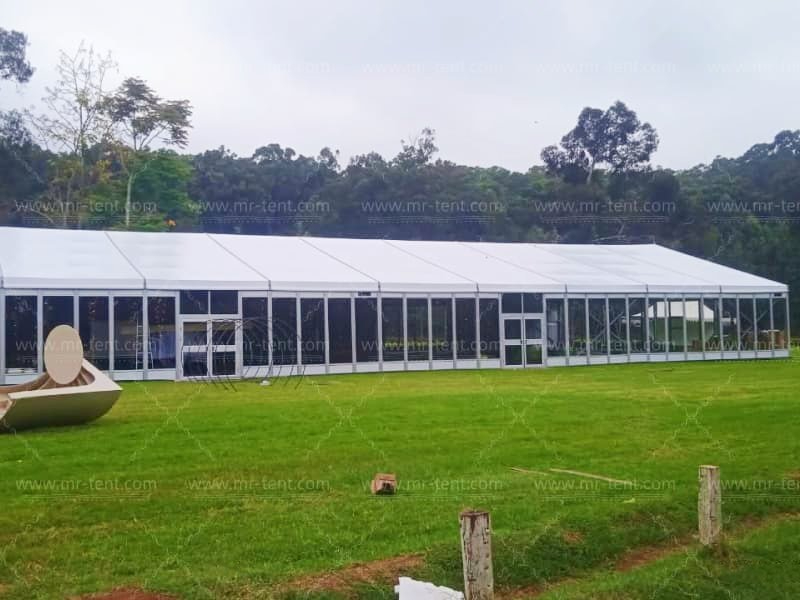
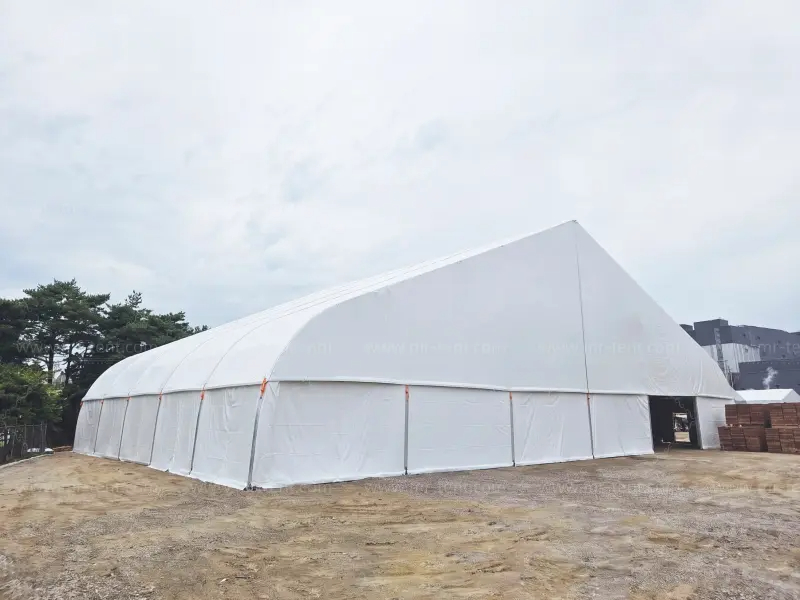
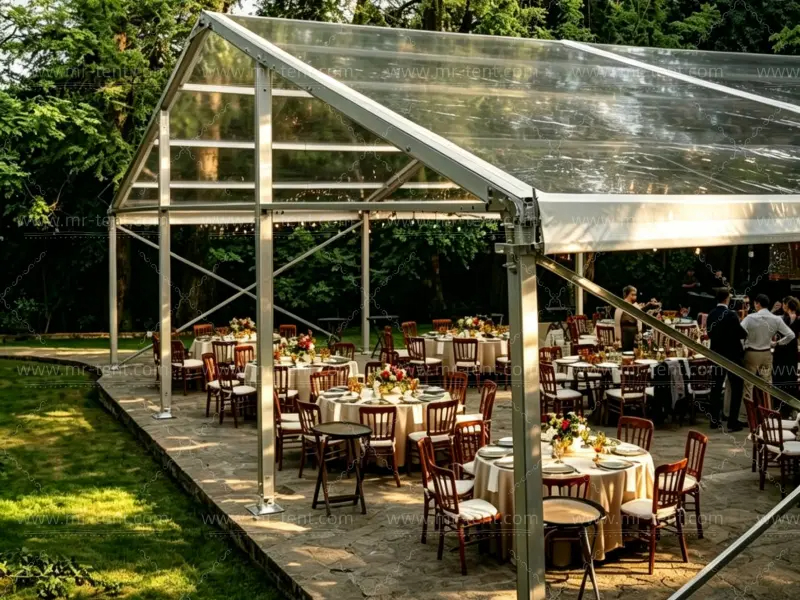
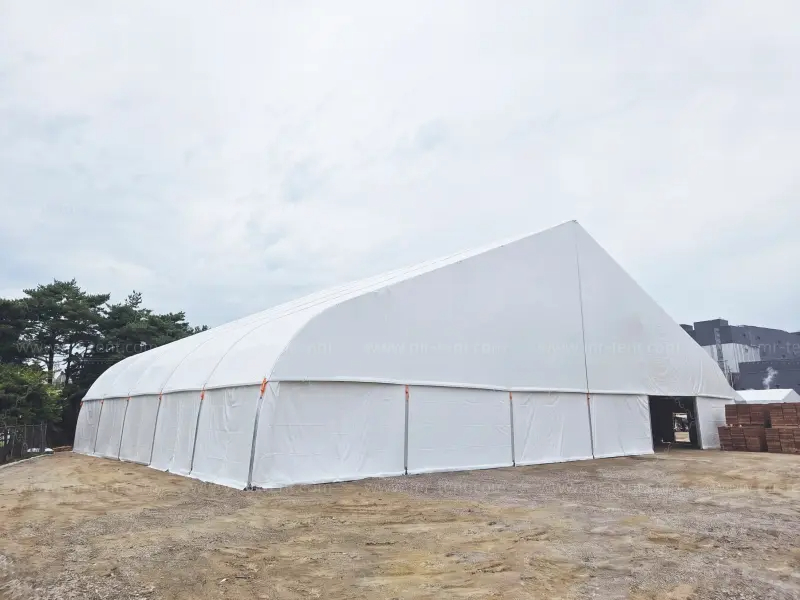
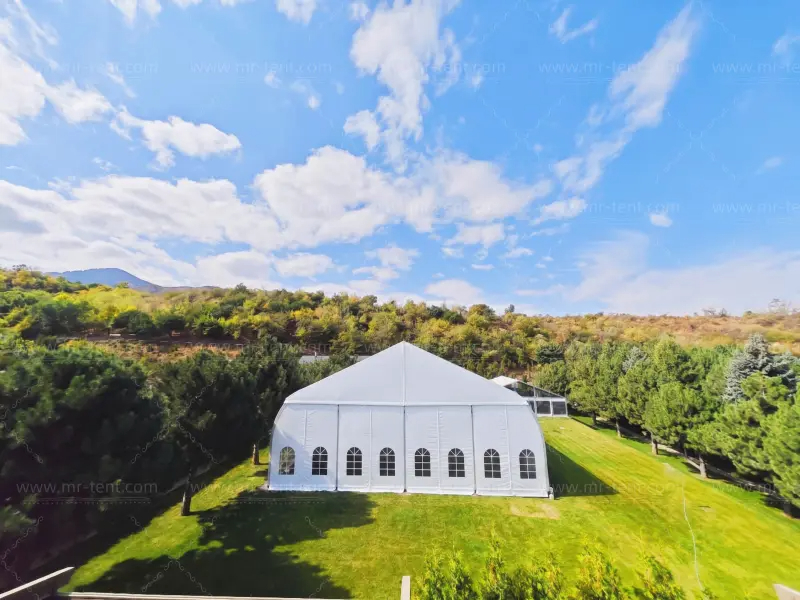
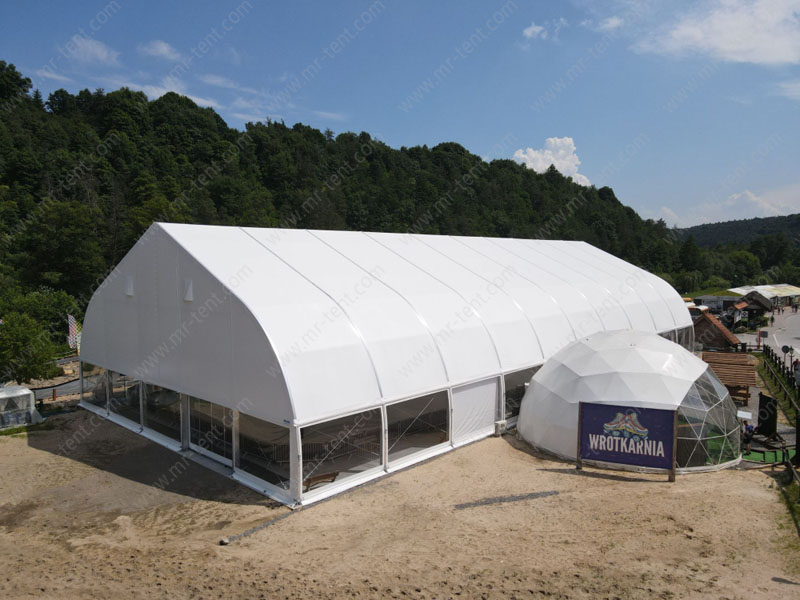
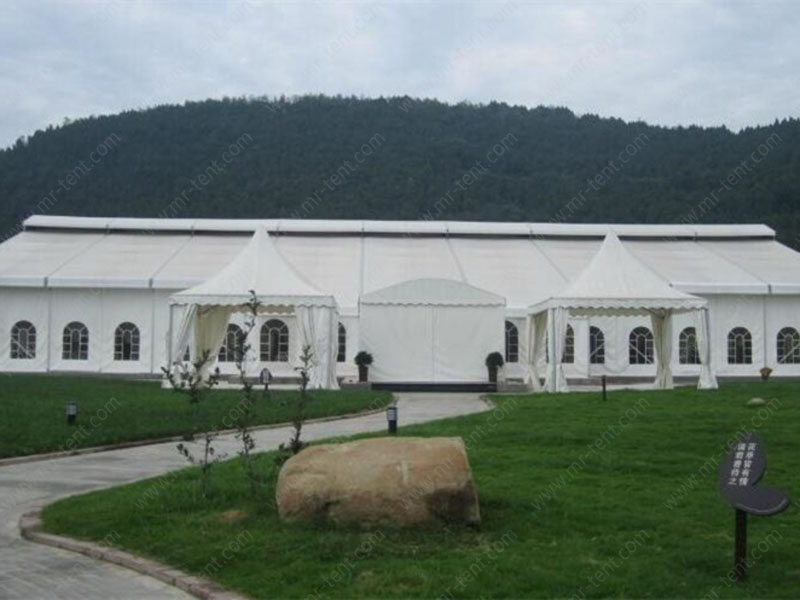
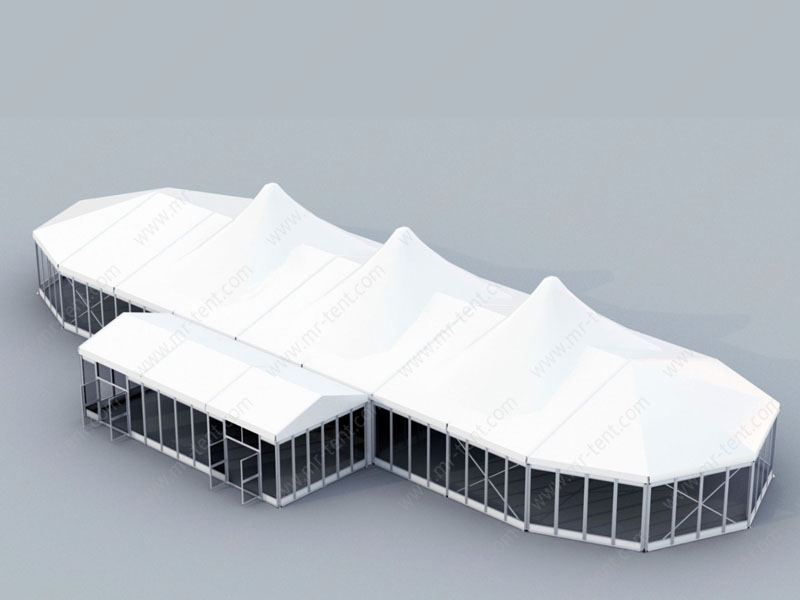
The diverse structural classifications of event tents lay the foundation for their wide applicability in different event scenarios, with each design type featuring unique functional advantages and spatial characteristics to meet differentiated usage demands. Pole tents, as one of the most classic and traditional styles, adopt a structural system supported by central and surrounding support poles, forming elegant peaked rooflines that deliver a timeless and romantic visual effect. This type of tent boasts soft and smooth fabric draping effects, which can easily create a warm and solemn atmosphere, making it particularly suitable for formal occasions such as outdoor weddings, anniversary banquets, and small-scale community celebration activities. Though equipped with internal support poles that partition partial space, their exquisite appearance and cost-effective assembly features keep them popular for medium-sized gatherings with high aesthetic requirements. Frame tents, by contrast, adopt an independent metal frame support structure without internal pole obstacles, realizing a fully open and unobstructed internal space. This structural advantage enables flexible layout of tables, stages, display installations, and pedestrian passages inside the tent, perfectly fitting commercial exhibitions, corporate conferences, and large party events that require complete space utilization. In addition, stretch tents with tensioned fabric structures can fit irregular terrains and surround natural landscapes, offering excellent air permeability and a modern minimalist aesthetic for creative outdoor events and scenic spot gatherings.
Material selection is the core factor that determines the service performance, durability, and comfort of event tents, and modern manufacturing technology has greatly upgraded the comprehensive quality of tent fabrics and supporting structures. The canopy fabrics used for high-quality event tents are mostly high-density synthetic textile materials processed with multi-layer functional coatings, possessing excellent waterproof, ultraviolet-proof, and anti-mold properties. These professional fabrics can effectively block strong solar radiation in hot weather to reduce internal temperature rise, and completely isolate rainwater penetration during rainy weather, maintaining a dry and comfortable internal environment. Meanwhile, the fabric materials are designed with good tensile resistance and tear resistance, able to resist daily outdoor wind pressure and accidental scratch damage during use. The supporting frames of event tents are generally made of lightweight and high-strength metal materials, which feature stable structural performance, strong pressure resistance, and no easy deformation. Compared with ordinary building materials, these metal frames are lighter in weight, convenient for transportation and disassembly, and can maintain long-term structural stability after repeated assembly and storage. Many tent fabrics also have good flame-retardant performance and surface dirt resistance, which greatly improves the safety level and maintenance convenience of on-site use, meeting the high-standard safety and hygiene requirements of various public events.
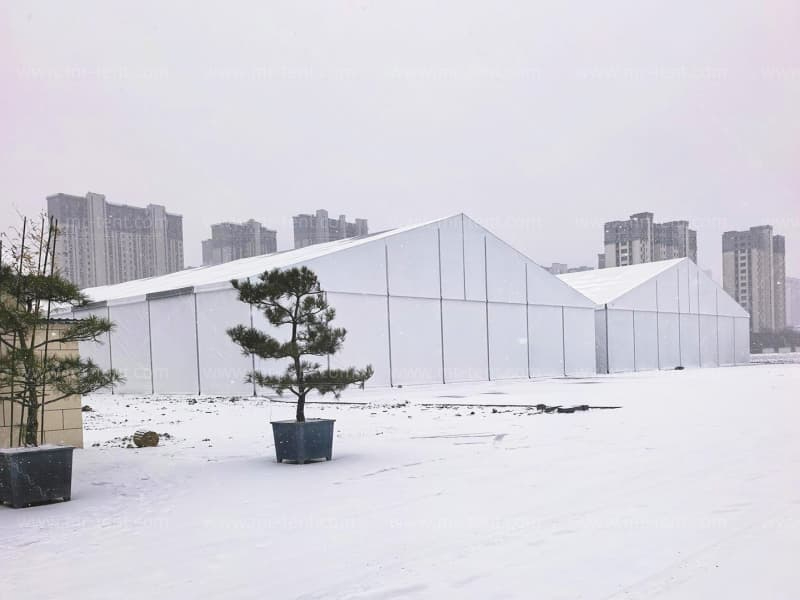
Weather adaptability is a prominent advantage that makes event tents irreplaceable in outdoor event planning, solving the core pain point of poor weather resistance for open-air activities. Outdoor events are extremely vulnerable to sudden weather changes, and unexpected sunshine, rain, or wind often leads to event delays, experience degradation, or even forced termination. Event tents form a stable semi-enclosed shelter space, which can effectively cope with various conventional weather conditions throughout the year. In hot summer seasons, the thickened canopy can block intense ultraviolet rays and isolate external high temperature, avoiding sunburn and heat discomfort for guests, while the reserved ventilation gaps of the tent ensure smooth internal air circulation and prevent stuffiness. In rainy days, the integrated waterproof structure and precise stitching process completely prevent rainwater leakage, and the reasonable roof inclination design can quickly drain rainwater to avoid water accumulation on the top that affects structural safety. In windy and cool weather, the enclosed tent body can resist natural wind and reduce internal heat loss, creating a warm and stable activity environment. Even in slightly harsh weather environments, the stable frame structure and professional anchoring method can ensure the overall stability of the tent, providing continuous and reliable protection for event progress and ensuring the smooth implementation of outdoor activities as scheduled.
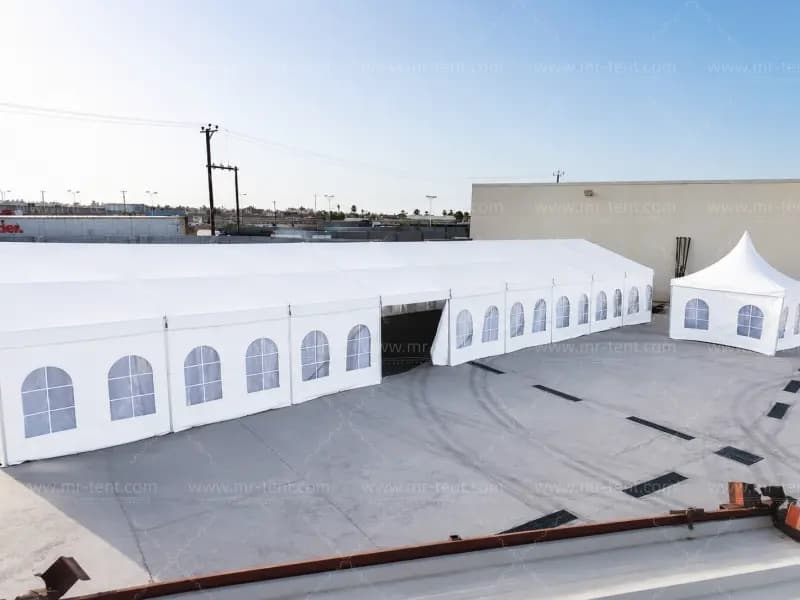
Event tents bring unparalleled spatial flexibility to event layout and venue planning, completely breaking the fixed spatial limitations of traditional indoor venues. Fixed venues often have fixed area, pattern, and functional partitioning, making it difficult to adapt to personalized and diversified event design needs, while modular event tents can freely adjust the covering area and internal space according to the actual scale of the event and the number of participants. organizers can splice and combine multiple tent units to expand the space arbitrarily, creating small independent private areas or large super-large activity venues that can accommodate hundreds of people. In terms of space partitioning, the open internal structure of frame tents allows free arrangement of functional areas, including guest seating areas, stage performance areas, catering service areas, exhibition display areas, and rest buffer areas, without being restricted by original venue walls and structures. Meanwhile, event tents can be built on diversified terrains, including flat lawns, square grounds, and slightly undulating outdoor open spaces, and some special structural tents can even adapt to hard pavements such as concrete and asphalt without damaging the site. This high degree of spatial and terrain adaptability enables event activities to be carried out in more diverse scenic environments, realizing the creative integration of event scenes and natural landscapes.
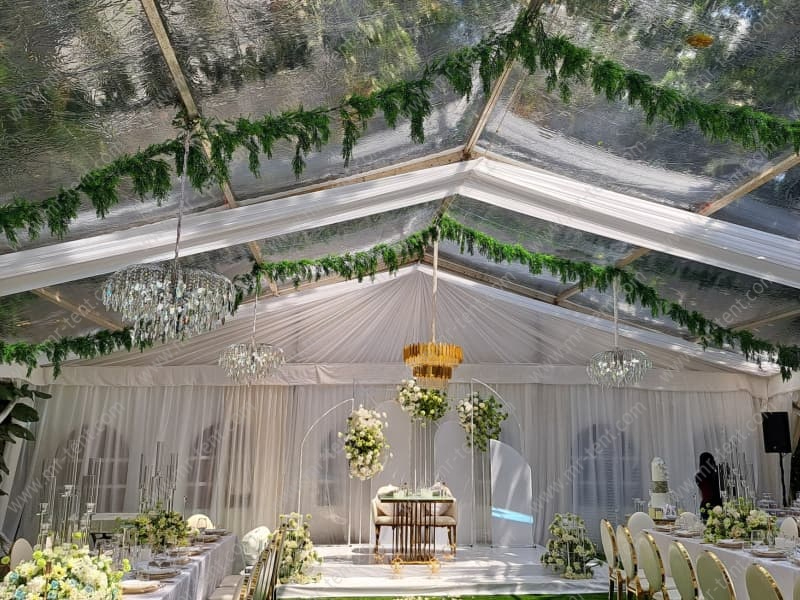
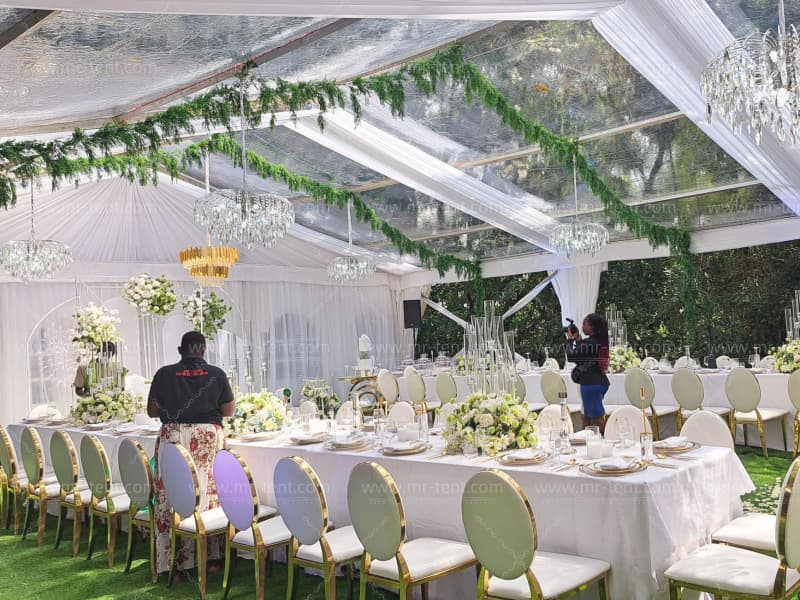
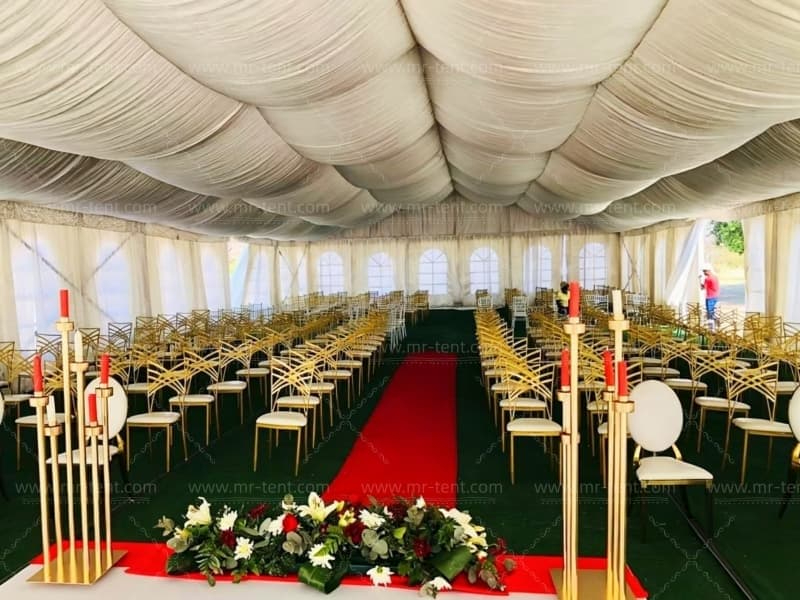
The aesthetic plasticity of event tents provides rich creative space for event styling and atmosphere creation, becoming an important part of improving the overall grade and sense of ceremony of events. Modern event tents are no longer limited to single styling design, but can present diversified visual styles through different structural shapes, fabric tones, and later decorative matching. The classic peaked pole tents can create a romantic and elegant classical atmosphere, suitable for wedding ceremonies and formal banquets, while the flat-top and arc-shaped stretch tents show a modern and minimalist fashion sense, matching well with trendy music festivals, brand promotion activities, and creative market events. The tent fabrics support diversified color customization, from pure and elegant light color systems to gorgeous and lively bright color systems, which can be perfectly matched with various event themes and brand tonality. In addition, the tent itself is a blank creative space that can be freely decorated. organizers can match curtain decorations, lighting systems, floral arrangements, and theme posters inside and outside the tent to create exclusive scene styles. The semi-enclosed space of the tent can effectively gather light and sound effects, making the on-site lighting, audio, and stage presentation more layered and textured, greatly enhancing the immersive experience of participants and making the event scene more exquisite and professional.
The convenient assembly and disassembly characteristics of event tents greatly improve the efficiency of event site construction and post-event cleaning, adapting to the fast-paced operation mode of modern events. Different from traditional temporary buildings that require complex construction processes and long construction cycles, event tents adopt a modular assembled design, with standardized and unified components, simple connection methods, and low operational difficulty. A complete tent structure can be quickly built by a small number of professional operators in a short time, without large-scale construction equipment and complex technical support. During the assembly process, all components are lightweight and easy to carry and place, and the construction process will not produce construction waste, dust pollution, or noise interference, which is more environmentally friendly and efficient. After the event ends, the disassembly work is equally simple and fast. The tent can be quickly disassembled into independent parts, folded and stored, and the site can be restored to its original state without leaving any traces of construction. This efficient construction and dismantling mode not only saves a lot of time and labor costs for event planning, but also meets the rapid iteration needs of short-term and frequent outdoor events, greatly improving the reuse rate of venue resources.
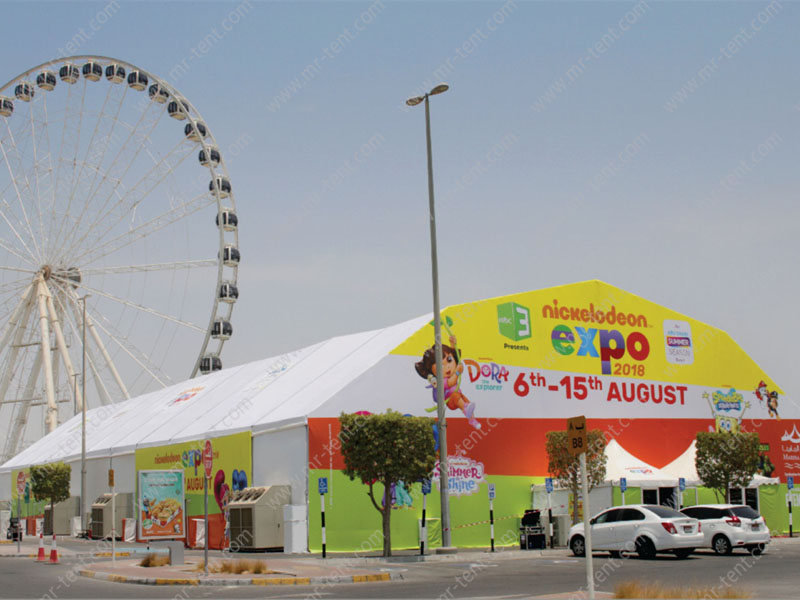
Event tents are widely applicable to multiple event scenarios, covering private customized gatherings, commercial public activities, and public welfare cultural events, showing strong universal practicability. In private event scenarios, they are the ideal choice for outdoor weddings, birthday parties, family reunions, and holiday gatherings, creating a private and warm exclusive space for small-group celebrations and avoiding the interference of external environments. In the commercial field, event tents are commonly used for brand roadshows, product launches, outdoor exhibitions, corporate team building activities, and business receptions. Their flexible space and high-end appearance can well display brand image and provide comfortable communication and experience space for customers and partners. In public cultural and sports activities, tents are widely used in music festivals, art fairs, sports meetings, community cultural performances, and public welfare publicity activities, providing safe and stable shelter for large-scale mass activities. In addition, they can also serve as temporary service facilities such as on-site rest stations, medical assistance points, and catering service points for large events, undertaking diversified functional tasks and effectively supporting the orderly operation of the entire event.
The economic and practical value of event tents is prominent, bringing long-term cost optimization benefits for event organizers and planners. Compared with renting fixed high-end indoor venues, the use of event tents greatly reduces venue investment costs, especially for large-scale outdoor events. It avoids the high rental fees of professional venues and breaks the geographical restrictions of venue selection, allowing organizers to choose more cost-effective and scene-matching open spaces to hold events. For long-term event practitioners and institutions, reusable tent structures can be stored and used repeatedly for many times, eliminating the repeated procurement cost of disposable temporary facilities and realizing resource recycling. In addition, the use of event tents can save a lot of venue layout and transformation costs. Fixed venues often need secondary transformation and decoration to adapt to personalized event needs, while tents can directly create exclusive functional spaces and scene atmospheres through flexible assembly and simple decoration. Their low maintenance cost and long service life further improve the overall cost performance. While ensuring the quality and effect of the event, they effectively control the overall operating cost of the event, bringing stable economic benefits for event operation.
Safety performance is a key advantage of standardized event tents, which are designed with comprehensive safety considerations to fully guarantee the on-site safety of participants and staff. In terms of structural safety, the metal frame of the tent has stable bearing capacity and wind resistance, and the professional ground anchoring and rope tensioning system can firmly fix the overall structure on the ground, effectively preventing structural shaking, tilting or collapse caused by external wind force and external impact. The connection parts of all tent components are precisely matched and locked to avoid loose falling off during use. In terms of material safety, the high-quality tent fabrics have good flame retardant and anti-scalding properties, which can effectively reduce the risk of fire spread and improve the on-site fire safety level. Meanwhile, all fabric and metal materials are non-toxic and environmentally friendly, without harmful substance precipitation, and will not cause health impact on participants. In terms of space safety, the tent can be equipped with reserved safety passages and emergency evacuation spaces according to event scale and safety needs, ensuring smooth evacuation of personnel in case of emergencies. The stable and closed space can also avoid external personnel and sundries from entering the activity area at will, maintaining good on-site order and safety environment.
With the continuous upgrading of market demand and manufacturing technology, modern event tents are constantly innovating in functional design and scene adaptation, presenting more diversified and intelligent development trends. Traditional single-function shelter tents are gradually evolving into multi-functional integrated event service structures. Many new-style tents add adjustable ventilation systems, detachable thermal insulation layers, and hidden shading structures, which can adapt to more extreme temperature and weather environments and improve the comfort of all-season use. In terms of personalized customization, tent manufacturers can carry out personalized design of shape, size, color, and functional accessories according to the creative needs of events, realizing highly matched scene customization. In addition, the lightweight and portable design of tents is further optimized. New high-strength lightweight materials reduce the overall weight of the tent while ensuring structural stability, making transportation and assembly more convenient. Some modular tent systems also support intelligent auxiliary assembly and remote stability monitoring, which can real-time monitor the structural state and external wind pressure changes during use, providing more accurate safety guarantee. These technological innovations continuously expand the application boundary of event tents and make them more in line with the high-standard and personalized development needs of modern outdoor events.
As an essential supporting facility for modern outdoor events, event tents have become an indispensable part of the event industry with their flexible space adaptation, reliable protective performance, rich aesthetic plasticity, and efficient operation advantages. They not only solve the core problems of unstable weather and limited space in outdoor activities, but also provide unlimited creative possibilities for event scene design and functional layout. Whether it is small private gatherings or large public commercial activities, event tents can provide targeted and professional shelter and space solutions, greatly improving the stability, comfort, and ornamental value of events. With the continuous prosperity of the outdoor event industry and the continuous improvement of public's demand for personalized and customized event experience, event tents will continue to iterate and upgrade in structure, material, and function. They will further integrate environmental protection, intelligence, and high customization characteristics, continuously empower the innovative development of outdoor event planning, and become a core basic facility to promote the standardized and diversified development of the global event industry.