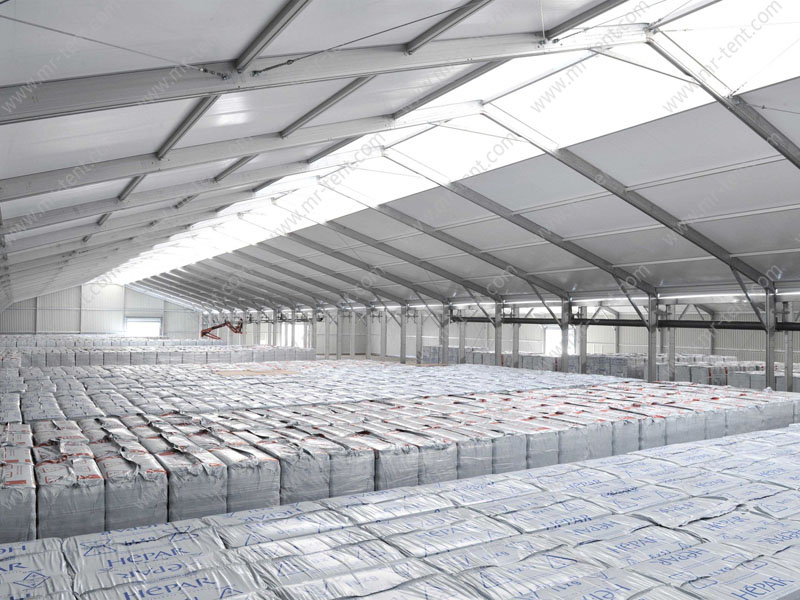
Waterproof Warehouse Tent
This waterproof warehouse tent is a heavy-duty, relocatable shelter for large-scale outdoor storage and temporary work. It relies on treated waterproof fabric, sealed seams, sloped roofs and stable frames to drain rainwater, with guarded vents to reduce condensation. Reinforced access flaps and ground skirts block moisture intrusion. Correct setup and routine maintenance sustain its performance. Modular and easy to assemble or dismantle, it outperforms simple tarps and small tents, offering flexible dry space for diverse field scenarios where permanent buildings are impractical.
When planning extended outdoor stays, the ability to maintain a dry, secure living space becomes one of the most important considerations for anyone spending time away from permanent buildings, and a waterproof warehouse tent fills this unique niche by blending generous interior volume with reliable moisture resistance that ordinary camping shelters simply cannot match. Unlike compact recreational tents built for small groups and overnight trips, this style of shelter is engineered to hold large quantities of goods, equipment, supplies, or even accommodate temporary work zones, all while standing up to sustained exposure to damp conditions, rainfall, and morning dew that would quickly overwhelm lighter fabric alternatives. The core waterproof performance starts with the carefully selected outer material, which is treated to block liquid water from passing through the weave without trapping stale air completely inside, a balance that prevents water from seeping in while reducing the risk of condensation building up on the inner surfaces over long hours. Many people mistakenly assume that a waterproof coating alone is enough to keep the interior dry, but the design of these warehouse tents also accounts for stress points where water commonly finds a way past seams, such as the joints between fabric panels, the corners where tension pulls the material tight, and the openings used for access and ventilation. Every seam receives special treatment to close tiny gaps created during stitching, stopping water from wicking along thread paths even during steady rain that lasts for multiple days. The shape of the tent structure also supports waterproof function, with sloped roof angles that encourage rainwater to flow down toward the edges instead of pooling on the top surface; standing water adds heavy weight to the fabric and can slowly break down protective treatments over time, so directing runoff away from the main body is a critical part of the overall design. Even in situations where rain is mixed with wind, the stretched fabric stays taut to avoid sagging pockets that collect water, maintaining consistent performance through changing weather patterns. Users who rely on these shelters often note that the peace of mind provided by consistent waterproofing changes how they manage stored items, because sensitive materials that would be ruined by even minor moisture can remain protected without constant checking and drying routines. While the waterproof features are central to its purpose, this shelter is not intended to be an airtight bubble, and intentional allowance for controlled airflow works alongside the water barrier to create a more stable internal environment suitable for long-term storage and occupation.
The structural framework that holds up a waterproof warehouse tent plays an inseparable role in supporting its waterproof capabilities, because a poorly supported fabric surface will develop sags and creases that defeat even the highest quality water-resistant treatments. The frame components are designed for quick assembly while retaining enough rigidity to hold the outer fabric under uniform tension across the entire roof and wall area, removing low spots where rainwater could gather and slowly seep through the material. Each connecting joint is shaped to fit securely without sharp edges that might rub against the inner side of the fabric and wear away the protective coating with repeated movement from wind. When the frame is properly set up, the fabric sits smoothly across the supports, distributing pressure evenly and limiting abrasion that would create tiny openings for water to enter over weeks or months of use. Most designs follow a modular layout, meaning sections can be connected or separated depending on how much covered space is needed at a given time, and each additional section maintains the same attention to seam sealing and fabric tension to preserve consistent waterproof performance across the expanded footprint. Setting up the frame does not require specialized construction knowledge, though careful alignment matters greatly; misaligned poles can pull fabric unevenly and create hidden pockets where water accumulates out of sight until leakage appears. The base of the frame rests on sturdy anchoring points that hold the whole tent stable during gusty weather, because strong wind can shake the structure and flex fabric panels repeatedly, accelerating wear on waterproof coatings and seams if the shelter shifts excessively. Anchoring methods adapt to different ground surfaces, from firm packed earth to gravel or paved areas, so users can establish the shelter in many different locations without sacrificing stability. Even when fully loaded with stored items inside, the frame maintains its form and keeps the roof geometry intact, so runoff continues to follow the intended path down the outer walls. The connection points between frame and fabric also include protective padding in high-friction zones, extending the working life of the waterproof layer by preventing direct scraping against hard metal surfaces. This partnership between frame geometry and fabric quality separates purpose-built warehouse tents from makeshift tarpaulin enclosures, which often leak not because the covering material lacks waterproofing, but because there is no reliable structure to keep the surface taut and properly shaped through variable weather.
Ventilation design within a waterproof warehouse tent addresses one of the most persistent challenges with any enclosed moisture-resistant shelter: condensation that forms when warm, humid air inside meets cooler inner fabric surfaces. Many people overlook condensation as a separate issue from rain leakage, yet accumulated moisture from condensation can wet stored goods just as thoroughly as water coming from outside, creating mold, mildew, and corrosion on sensitive items over time. The ventilation openings are positioned strategically to encourage gentle cross-flow of air without creating direct entry points for falling rain, a careful compromise that preserves the tent’s waterproof exterior barrier while regulating humidity inside. Covers fit over each vent opening, shaped with overhangs and angled flaps that deflect rain away while still letting air circulate through the space. These vent flaps can be adjusted by users to match current weather conditions, opened wider during calm, damp weather to move humid air out, and drawn more closed during heavy downpours to minimize the chance of driving rain splashing inward. Air movement also helps maintain a more consistent temperature inside the tent, reducing dramatic swings between day and night heat levels that speed up condensation formation. The large interior volume of the warehouse tent itself aids ventilation, because there is ample space for air to circulate rather than trapping moist air in a cramped pocket. When the shelter houses active work or people spending extended periods inside, breath, equipment heat, and damp materials all release extra humidity, making adjustable vents far more important than in a small storage tent used only for static goods. The fabric’s own properties support this balance as well, letting small amounts of water vapor pass outward while blocking liquid water droplets from coming in, a characteristic that prevents moisture from becoming trapped between the outer coating and the main fabric weave. Users learn to combine vent adjustments with thoughtful arrangement of stored items, leaving gaps between stacked goods and tent walls so air can reach all corners of the interior instead of stagnating behind dense piles. Managing condensation through ventilation turns the waterproof warehouse tent into a complete environmental shelter, rather than a simple rain shield that trades external wetness for hidden internal dampness.
The fabric used to construct a waterproof warehouse tent goes through multiple processing stages to achieve the blend of water resistance, tear strength, and flexibility required for long-term outdoor deployment. The base weave is dense enough to resist punctures from rough debris, branches, and shifting stored cargo, while the applied waterproof treatment bonds firmly to individual fibers rather than sitting only as a thin surface film that flakes off after brief exposure to sunlight and temperature shifts. Sunlight breaks down many surface coatings gradually, so the formulation used on these fabrics includes properties that slow degradation from ultraviolet exposure, extending the window of reliable waterproof performance through cycles of bright sun and heavy rain. The coating maintains its flexibility in cold weather, avoiding the brittleness that causes thinner treated fabrics to crack when temperatures drop, since cracks open direct pathways for water to penetrate the material. When liquid water strikes the outer surface, it beads up and rolls away instead of spreading into the weave, which is the visible sign of effective water repellency working alongside the barrier layer underneath. Over time, dust, dirt, and organic residue can settle on the fabric surface and reduce beading action, but the base waterproof barrier still continues to block water penetration even when the top repellent layer loses some of its shine. This distinction is useful for users to understand, because reduced water beading does not automatically mean the tent has failed, though regular gentle cleaning can remove surface buildup and restore the repellent qualities. The fabric is also engineered to resist stretching excessively under heavy rain load, retaining its shape and tension even when water rests temporarily on sloped sections. Different panels of the tent use the same consistent fabric quality, so walls, roof, and storm flaps all offer matching waterproof protection rather than relying on heavier material only for the roof. Careful handling during transport matters for preserving fabric performance; sharp edges on loading equipment can nick the surface and create weak spots, so many users adopt simple handling routines to avoid unnecessary abrasion before and after setup. This durable treated fabric forms the primary protective layer that makes the whole shelter viable for heavy-duty storage and temporary workspace applications in wet environments.
Access points on a waterproof warehouse tent are designed to balance convenient entry and exit with robust protection against rain and splashing moisture, as doorways are naturally the most vulnerable locations for water to work its way into the dry interior. Each main opening includes overlapping fabric flaps that cover the gap when closed, creating a labyrinth-style barrier that stops rain from blowing straight through the opening even during windy storms. The flaps fasten securely along their edges, with fasteners spaced closely enough to eliminate loose gaps that wind-driven rain could penetrate, and the fastening hardware sits protected behind the outer fabric layer to avoid creating holes that bypass the waterproof material. Many access openings are large enough to accommodate wheeled carts, pallet movement, and bulky equipment, which fits the warehouse purpose of the shelter, and these wider openings retain the same layered rain protection as smaller service doors. When users need to leave a door partially open for airflow or continuous movement of supplies, secondary rain guards above the doorway divert runoff away from the top edge of the opening, preventing water from streaming down directly into the tent interior. Zippers, where included, are covered by external storm flaps, because zipper teeth create small gaps that water can follow; leaving the zipper exposed would undermine the tent’s waterproof design regardless of how well the rest of the fabric is treated. The zipper tape itself receives moisture-resistant treatment to reduce absorption and prevent sticking when wet, keeping the opening functional through repeated wetting and drying cycles. Around the base of every access opening, an extended fabric skirt lies along the ground, blocking rain from flowing sideways along the ground surface and seeping underneath the door edge. This ground skirt works together with the tent’s perimeter layout to close off low entry points for water, especially on uneven ground where puddles might form nearby during rain. Users can adjust the tightness of door closures depending on conditions, sealing them fully during downpours and loosening the covering flaps in dry weather to increase airflow. Thoughtful engineering of these access features ensures the practical utility of the warehouse tent does not come at the cost of its core waterproof function, keeping the interior protected while supporting the constant movement of materials typical of warehouse-style use.
Ground perimeter details form another essential layer of defense against moisture for a waterproof warehouse tent, as water does not only fall from above but also travels across the ground after rainfall. A continuous fabric skirt extends downward from the bottom edge of the tent walls, resting against the ground to create a barrier that stops surface water, splashes, and damp soil from moving inward beneath the walls. This skirt can be weighted down with sandbags or anchored flat against the ground to maintain contact, preventing wind from lifting it up and opening a gap for moisture to creep in. On sloped ground where rainwater flows downhill toward the tent, the skirt helps redirect shallow runoff around the outside of the shelter rather than letting it pool against the base and slowly wick upward into the fabric walls. It is important to position the tent whenever possible away from natural drainage channels and low depressions where standing water collects, because the skirt is designed to handle normal surface flow, not sustained submersion in deep puddles. The bottom edge of the main wall fabric is reinforced where it connects to the skirt, since this area rubs against soil, gravel, and debris more often than upper sections of the tent, and reinforcement prevents fraying that would create paths for water. Some layouts allow the skirt to be rolled up and secured out of the way in dry, hot weather when ground moisture is not a concern, which improves airflow along the base and reduces contact with dirt that can stain and wear the fabric. When the tent is placed on hard, flat surfaces such as compacted gravel or paving, the skirt still provides value by catching rain that bounces upward from the ground after hitting the exterior. Even small amounts of splashed water can add up over hours of rain, gradually dampening stored items near the tent walls if this base barrier were absent. The ground skirt works in coordination with the roof slope, sealed seams, and vent flaps as part of a complete system, rather than acting as an isolated feature. Users who learn to shape simple diversion paths around the tent perimeter further reduce the load on the skirt, guiding runoff away before it presses against the shelter’s base and lessening the chance of ground moisture intrusion during extended wet spells.
Setup and handling practices directly influence how well a waterproof warehouse tent performs over its usable life, because correct installation preserves the engineered tension, seam alignment, and overlapping rain barriers built into every component. Before erecting the frame, the ground area should be cleared of sharp stones, broken branches, and jagged debris that could puncture the underside fabric or tear the waterproof coating once the tent is stretched into place. Laying out the fabric loosely first, without rushing to attach it to the frame, helps avoid twisting panels that would pull seams out of alignment and create hidden gaps where water can enter. As the frame rises, each fabric corner and edge attaches in sequence to maintain even tension across the roof; pulling one side too tight while leaving another slack creates low sagging pockets that collect rainwater and overwhelm the waterproof coating over time. All seam tapes and sealed joints should lie flat and unwrinkled once assembly finishes, because folded or bunched seam material can peel away and expose stitching to water. Anchoring the tent perimeter evenly is just as important as assembling the frame, as uneven anchoring creates uneven fabric tension and allows wind to shake loose sections of the shelter. After full setup, a slow visual check along all seams, door flaps, vent covers, and the ground skirt reveals any misaligned sections before rain arrives, giving time to adjust tension or refasten protective flaps. Taking the tent down requires care as well, starting by clearing pooled water from the roof surface before releasing tension, so heavy water weight does not pull seams apart suddenly. When packing the shelter away, allowing the fabric to dry fully before folding and storage prevents trapped moisture from sitting against the waterproof coating for long periods, which can encourage mildew growth and degrade the sealing compounds on seams. Folding follows loose, natural lines rather than forcing sharp permanent creases in the same spots repeatedly, since deep creases become stress points that crack waterproof treatments after many cycles. These routine practices are not complicated, but they protect the investment in the shelter’s waterproof performance, ensuring the tent delivers consistent dry storage and workspace through many cycles of assembly, use, and takedown across changing outdoor conditions.
Maintenance routines for a waterproof warehouse tent focus on preserving the integrity of the fabric coating, seam seals, and all rain deflection components, keeping the shelter dependable through repeated exposure to rain and outdoor conditions. Routine inspection begins with checking every sealed seam, looking for peeling tape, lifting edges, or small splits that develop where fabric flexes most often. If sections of seam seal lose adhesion, targeted repair restores the water-blocking function before leakage develops, and such repairs follow the original sealing method to match the flexibility of the surrounding material. The outer fabric surface is checked for abrasion marks, nicks, or worn spots where the coating has thinned, as these areas become weak points for water penetration. Cleaning is done gently with mild cleaning agents and soft brushing tools, avoiding harsh chemicals that dissolve the waterproof coating or break down the ultraviolet-resistant additives mixed into the fabric. Scrubbing aggressively wears away the outer treatment layer, so light cleaning only removes surface dirt, pollen, and organic buildup that stops water from beading properly. After cleaning or after periods of heavy use in dusty environments, users can refresh the outer water repellent layer when needed, supporting the main waterproof barrier and restoring the ability of water to roll off the surface. Hardware such as fasteners, buckles, and zipper components are inspected for corrosion or stiffness, since failing hardware leaves door and vent flaps unable to close tightly against rain. The ground skirt receives extra attention during checks, looking for abrasion from dragging across rough ground and small tears that would let surface moisture pass underneath the tent walls. Storage between uses happens in cool, dry locations away from direct heat sources, because sustained heat accelerates aging of the flexible sealing compounds and fabric coatings. The tent is never stored tightly compressed for extremely long stretches, as constant pressure on folded seams can weaken seal tape over time. Consistent, low-effort maintenance extends the functional life of the waterproof features, preventing small, easy-to-fix issues from turning into major leaks that compromise the entire storage space when wet weather arrives unexpectedly.
The practical applications of a waterproof warehouse tent stretch across many scenarios where large, dry, covered space is needed temporarily and permanent building structures are unavailable or impractical. In remote work locations, the shelter holds tools, raw materials, and finished components that would suffer damage from rain and ambient dampness, creating a protected zone where work can continue even when weather turns wet. Field operations often need flexible storage space that can be relocated once a project wraps up, and this tent offers that mobility without sacrificing the dry environment required for sensitive supplies. Event support teams use these shelters to keep inventory, equipment, and staging materials protected during outdoor gatherings, knowing sudden rainfall will not ruin stock or disrupt scheduled activities. Groups managing seasonal stock fluctuations also rely on the tents to add extra covered space quickly during busy periods, without committing to fixed construction that would remain unused once demand slows. Relief and field response efforts make use of the generous interior volume to organize supplies, keeping critical goods dry and accessible in locations where built storage is limited. The shelter can also serve as a temporary covered workspace where people sort, pack, and inspect items, with the waterproof barrier keeping the working surface free from rain and ground moisture while ventilation maintains a comfortable atmosphere. Because the design is modular, usable space can expand or contract to match the quantity of materials on hand, and multiple units can be arranged to create connected zones for different storage or work tasks. Unlike permanent buildings, the tent can be disassembled, transported, and redeployed to new sites, making it ideal for work that moves across different terrain over months or seasons. All these use cases share one core requirement: reliable protection from moisture. The waterproof warehouse tent fills this need by combining ample warehouse-style capacity with thoughtful rain defense, adaptable layout, and straightforward deployment, serving as a versatile dry zone wherever temporary covered storage and workspace are required outdoors.
When weighing the value of a waterproof warehouse tent against other shelter options, the key distinction lies in its purpose-built balance of large usable volume, mobile deployment, and integrated moisture protection designed for heavy-duty use. Basic tarpaulin setups are less costly to source, but they lack the stable structural geometry that keeps covering material taut and directed for proper runoff, and they rarely include factory-sealed seams, layered door storm flaps, or condensation-managed ventilation systems. Small camping and utility tents offer waterproofing but cannot accommodate palletized goods, large equipment, or continuous work activities due to limited interior space and lighter construction that is not meant for weeks of ongoing use. Fixed buildings provide excellent dry storage but require permitting, construction time, and permanent placement, which removes the flexibility to move the shelter to new locations as needs shift. The waterproof warehouse tent occupies the middle space between these alternatives, delivering dry, secure warehouse-scale space that can be erected quickly, moved as needed, and taken apart when no longer required. Its design acknowledges that outdoor moisture protection is a system challenge rather than a single feature, bringing together shaped roof geometry, sealed seams, treated fabric, stable framing, rain-protected openings, perimeter ground barriers, and adjustable airflow to manage both rain from outside and condensation forming inside. Users who select this type of shelter recognize that waterproof performance is only useful if the space is practical for their storage and work needs, and every design choice supports both the dry environment and the functional warehouse layout. With proper setup, careful handling, and regular simple maintenance, the shelter maintains its ability to shield contents from moisture through repeated exposure to rain, dew, and damp ground. It stands as a robust, adaptable solution for anyone seeking flexible, large-scale covered space that does not surrender protection against wet weather, meeting the demand for temporary dry storage and work areas in places where traditional structures are not feasible or desirable.