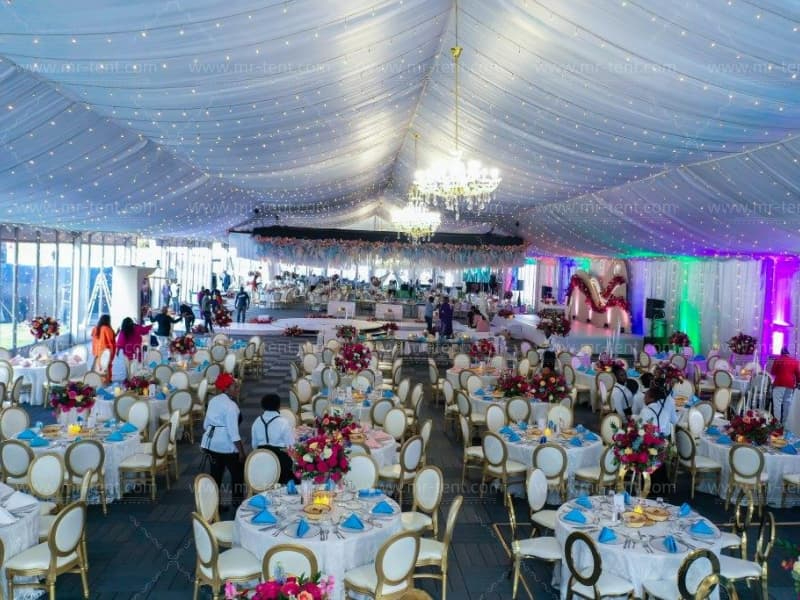
Wedding Party Tent
A wedding party tent serves as a flexible, personalized wedding venue that combines outdoor charm with reliable shelter. It allows custom layouts for dining, dancing and resting zones, with adjustable side panels, climate setups and carefully designed lighting, drapes and flooring to suit different weather and styles. Proper acoustic arrangement ensures speeches and music are heard clearly. Complementary surrounding spaces enrich guest experience. Temporary by nature, it is dismantled after the event, leaving no permanent marks. All these features help build a warm, unique celebration tailored to the couple’s vision.
A wedding party tent has become one of the most beloved choices for couples who wish to craft a celebration that feels deeply personal and gently removed from the rigid layouts and fixed atmospheres of traditional indoor venues. Unlike a banquet hall with permanent walls, fixed lighting points and pre-set seating arrangements, a tent opens up endless room for creative expression, allowing the wedding vision to unfold across open ground, whether set upon a quiet meadow beside still water, within the green space of a private garden or along soft grass that catches the warm glow of late afternoon sunlight. Many couples turn to this option because it bridges the comfort of shelter and the magic of the outdoors, shielding guests from sudden light rain, strong wind or harsh overhead sun without cutting them off from the natural scenery that makes the day feel special. It creates a flexible blank canvas, where every decorative choice, from flowing fabric drapes and hanging floral installations to delicate lanterns and custom dining layouts, can be shaped entirely around the couple’s tastes. Guests often remark on the relaxed, unhurried mood inside these temporary structures; there is none of the formal heaviness that can settle over enclosed indoor spaces, and the soft edges of the tent frame laughter, speeches and quiet shared moments with a light, romantic quality. Planning around a tent also lets the wedding schedule follow the natural shift of daylight, transitioning seamlessly from bright daytime cocktails to dim, intimate evening dining as twilight wraps around the outer walls of the structure.
The foundation of a satisfying wedding tent experience begins with thoughtful consideration of size and internal layout, which must align not only with the total guest count but also with all the separate functional zones that make a wedding run smoothly. Many first-time couples make the simple mistake of calculating space only for dining tables and chairs, forgetting to reserve room for a dance floor, a stage for speeches and performances, a gift table, a dessert station and areas where guests can step away from the crowd to talk quietly. Each section needs enough clearance so that movement never feels cramped, with wide walkways between rows of tables to let serving staff pass easily and allow guests to move between the bar, restrooms and seating without awkward squeezing. It is wise to leave extra unassigned space around the edges of the tent, as this buffer can accommodate last-minute additions such as extra seating for unexpected guests or a small station for photography. The shape of the tent also shapes the flow of the event; longer rectangular models work well for formal seated dinners with a clear line of sight toward a central stage, while rounded or freeform designs encourage casual mingling and feel softer for more laid-back gatherings. Even small details such as the placement of support poles deserve careful attention, because poles positioned directly in front of dining seats or across the dance floor can block views and disrupt the visual harmony the couple hopes to create. Working through the layout early also helps coordinate with other vendors, including caterers, sound technicians and florists, so every team understands where their equipment and displays will sit before setup day arrives.
Weather readiness sits at the heart of what makes a wedding tent reliable, even when the forecast cannot be guaranteed weeks or months ahead of the ceremony. While the primary fabric shell provides basic cover, thoughtful add-ons help adapt the interior to whatever conditions the day brings. On warm, sunlit days, sidewalls can be left completely open to let cross breezes drift through, while mesh panels keep flying insects out without blocking airflow or the view of the surrounding landscape. For cooler evenings or spells of damp weather, solid side panels can be fastened into place to seal the space, holding in warmth and stopping wind and light rain from seeping inside. Many arrangements also include internal climate adjustments that shift the feel dramatically; gentle heating units take the chill out of autumn and spring celebrations, while discreet cooling systems keep the air comfortable during summer afternoons, without creating loud distracting noise that interferes with speeches and music. It is important to plan for water runoff as well, ensuring that the tent’s slope guides rain away from entryways and dining areas, avoiding puddles near door flaps where guests might slip. These practical features never need to overshadow the romantic aesthetic, as heating and cooling equipment can be tucked behind drapery or greenery so they stay largely out of sight. With these layers of protection, couples and their guests can relax fully, knowing minor shifts in weather will not interrupt the rhythm of the celebration or spoil carefully planned moments.
Lighting inside the wedding tent transforms the atmosphere from bright and functional into something soft and dreamy as the day fades toward night, and it works hand in hand with the tent’s fabric surfaces to diffuse glow across the whole space. Natural light filters through the translucent roof panels in the afternoon, casting a gentle, even illumination that is perfect for photographs, removing the harsh shadows that often appear under artificial overhead lights. Once the sun dips low, layered artificial lighting takes over, and there are countless elegant ways to build a warm, welcoming glow. Strands of fine fairy lights draped along ceiling beams create a twinkling star-like effect, while larger pendant lanterns at varying heights add weight and focus above dining tables. Uplights positioned along the base of tent poles wash fabric and surrounding greenery with subtle colour, matching the wedding’s palette without overwhelming the room. Candle arrangements in enclosed holders add soft flickers on tabletops, bringing a quiet intimacy to dinner conversations, though they are always set up with care to avoid contact with tent fabric. Lighting choices also support the different phases of the event; brighter settings suit cocktail hour and service, while dimmer, warmer levels settle in for dinner, toasts and dancing. When planned intentionally, light turns the tent into a shifting environment, one that feels bright and open at first, then slowly wraps guests in warmth as the celebration moves into its most tender hours.
Fabric and drapery choices give the wedding tent its unique personality, softening the sharp lines of the frame and blending the structure into the surrounding natural setting. Plain tent fabric can feel plain and functional on its own, so lightweight flowing drapes are often hung from ceiling peaks and along support beams to create billowing, romantic layers. Sheer fabrics in ivory, cream or pale blush remain the most timeless selections, catching and scattering light beautifully, while richer matte textiles add depth for more formal, mood-focused weddings. Drapes can be arranged to frame entryways, creating a grand ceremonial passage for the couple and their wedding party, or gathered loosely around poles to hide structural supports and make the space feel seamless. Many designs mix fabric with fresh foliage and climbing blooms, weaving vines and seasonal flowers through the drapery lines so the tent feels like an extension of the garden outside rather than a separate, built room. The texture of the material also shapes how sound travels inside; heavier fabrics absorb some echo, preventing loud music and conversation from bouncing sharply around the space, which makes speech audio clearer and the overall sound more pleasant. Every fabric selection balances beauty and practicality, with materials chosen to resist moisture and hold their shape through hours of wind and movement. Small touches like tied-back side drapes let couples control how much of the outdoor view is visible, letting them open the tent wide to the landscape or close it into a cozy, private bubble as they prefer.
Flooring options for a wedding tent address both comfort and style, turning uneven grass or dirt ground into a polished surface that fits the tone of the wedding. Some couples choose to leave natural grass exposed for a rustic, casual feel, adding woven runners down the aisle and small rugs beside lounge seating to mark special spots, an approach that keeps the connection to the outdoors very direct. For more formal events, raised flooring creates a flat, stable surface across the entire tent, protecting high-heeled shoes from sinking into soft earth and stopping furniture legs from tipping unevenly. These floors can be covered with carpet in muted neutral tones, wood-look panels or patterned mats that echo the wedding’s design theme, and they also help keep dampness from the ground from seeping upward on cool or rainy days. Flooring can be built in sections to follow the tent’s shape, and gaps around the edges can be hidden with greenery or fabric skirts so the transition between floor and surrounding ground looks smooth. Beyond aesthetics, stable flooring improves the experience for older guests and anyone with mobility needs, giving them secure footing as they move between tables, the dance floor and rest areas. Even the dance floor itself is part of this planning; a dedicated smooth surface for dancing sits within the larger tent layout, separate from dining flooring to avoid scuffing table linens or catching chair legs while guests dance. All these choices work together so guests can move comfortably for hours, without distraction from uneven or damp ground beneath their feet.
Sound and acoustic planning within the wedding tent is often overlooked, yet it has a huge impact on whether guests can hear vows, heartfelt toasts and live music clearly. Open tent sides and hard structural frames can create echo, as sound waves bounce off the roof and travel outward into the open air, which means audio equipment needs careful placement rather than simply setting speakers at one end of the space. Speakers are usually distributed evenly around the interior, angled toward seating zones rather than firing directly at the tent ceiling, which reduces reverberation. Fabric drapery, floral installations and soft furnishings all help absorb excess sound, acting as natural acoustic treatment that calms harsh echo and makes voices sound warmer. Live bands and acoustic performers benefit greatly from this balance, as the tent can carry music beautifully without turning it into a muffled roar for guests sitting farthest away. Microphone placement for speeches also matters; wireless microphones let the couple and speakers move freely without worrying about cords, and monitors help performers hear themselves while keeping volume levels comfortable for everyone else. It is wise to test sound during the setup window before guests arrive, because wind moving through open side panels can alter how audio carries. When acoustics are handled well, every meaningful word lands with the audience, and music fills the tent at a gentle, joyful level that encourages dancing without making conversation at tables impossible. This attention keeps the emotional core of the wedding audible, so no important speech or song is lost to the open-air nature of the tent venue.
Entryways and surrounding outdoor spaces connected to the wedding tent extend the celebration beyond the main dining and dancing area, creating a natural flow for guests as they move through different wedding moments. The main entrance can be dressed with floral arches, potted plants, hanging signs or candlelit pathways, setting the tone before guests even step inside. Many couples add smaller satellite tents or shaded canopies nearby for separate purposes, such as a quiet lounge area where guests can rest away from the noise of the dance floor, a dedicated cocktail space for drinks and appetizers before dinner, or a sheltered spot for the wedding party to gather before walking down the aisle. Walkways leading from parking areas, restroom trailers and ceremony sites to the main tent are marked with lanterns, flower-lined paths or fabric banners, guiding guests smoothly without confusion. These outer zones also give photographers varied backdrops, letting them capture candid moments among greenery and soft evening light away from the busy main tent interior. It is helpful to consider privacy for these outer spaces too; lightweight screening or tall plant arrangements can block views from nearby paths while still feeling organic and open. By treating the tent not as an isolated room but as the centre of a wider celebration landscape, couples create layers of experience, where guests can choose to join the lively crowd inside, step out for fresh air, or settle into a quiet nook for private conversation whenever they wish. This layered design makes the whole event feel spacious and thoughtfully paced.
Cleanup and post-event logistics for a wedding tent follow a gentle timeline that respects the end of the celebration while protecting the surrounding landscape. Once the final song plays and guests depart, vendors work methodically to clear the interior, removing linens, decor, catering waste and rental furnishings before beginning to take down the frame and fabric. The tent fabric is inspected carefully for stains, damp spots or snags, then cleaned and dried fully before it is packed away, preventing mould or discolouration during storage. Poles, support frames and flooring sections are disassembled piece by piece and stacked neatly, with care taken not to scratch or bend metal components. The ground beneath the tent is restored as closely as possible to its original condition, with debris picked up and temporary stakes holes filled in, so the site returns to its natural state after the wedding. Couples do not need to manage this work themselves, but it helps to confirm the timing of takedown so they know when they can return to collect personal keepsakes such as custom signs, family heirloom decor or leftover floral arrangements. The temporary nature of the tent is part of its charm; it appears for one single, unforgettable day, holds all the joy and emotion of the wedding, and then fades away, leaving only memories rather than permanent changes to the land. This ephemeral quality resonates with many couples, who see the tent as a perfect mirror of the wedding day itself: beautiful, fleeting, and entirely made for their unique love story.
When all these elements come together, a wedding party tent offers far more than a simple roof and walls, becoming a space shaped entirely around the couple’s vision and the comfort of everyone they invite to share the day. It escapes the rigid rules and pre-set decor packages of fixed venues, welcoming rustic, minimalist, lavish or bohemian styles equally well, adapting to mountain meadows, lakeside shores, backyard lawns and vineyard fields alike. It balances romance and practicality, shielding guests from unpredictable weather while keeping them connected to the rhythm of the outdoors, from golden afternoon light to deep indigo twilight. Every choice, from the layout of tables and dance floor to the soft drapery, layered lighting and careful sound planning, builds toward a mood that feels authentic to the couple rather than generic. Guests carry away memories not just of vows and cake, but of the unique atmosphere inside that temporary space: the soft glow of hanging lights, the breeze drifting through open sides, the quiet warmth that wraps around every toast and every dance. For many, the tent wedding captures the sweet freedom of gathering outdoors with the security of a carefully prepared shelter, blending the wonder of nature with the intimacy of a carefully curated celebration. It stands as a heartfelt choice for couples who want their wedding day to feel open, personal, and endlessly, beautifully their own.