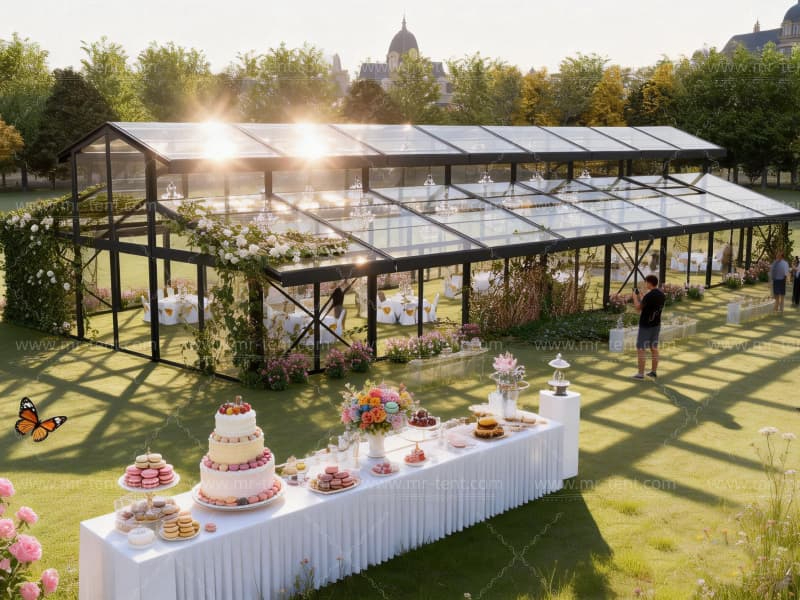
Wedding Tent Prices
The varied factors influencing wedding tent rental costs. It covers tent structures, fabric choices, venue site conditions, installation labor, climate control gear, lighting and interior decor, rental duration and seasonal demand. It also touches on insurance, liability risks and budget trade-offs. It reminds couples to compare detailed quotes, distinguish included and extra charges, prioritize real needs, and balance aesthetic expectations with practicality and budget limits for their outdoor wedding.
Planning an outdoor wedding often leads couples to consider a tent as the central structure for their celebration, and understanding the factors that shape wedding tent prices is one of the most important early steps in budgeting. Many newly engaged pairs first assume that tent cost is tied only to the size of the space they need, but this is just one small piece of the overall picture. A tent serves far more purpose than simply shielding guests from sunlight or light rain; it creates a fully enclosed event environment that can be shaped to match the tone of the wedding day. Even two tents with identical floor dimensions can end up with vastly different overall costs because of differences in material quality, construction style, and the range of add-ons that come with the rental package. Couples who begin their search without a clear vision of their guest count, layout preferences, or backup weather plan can easily receive quotes that do not align with what they actually need. It is common for people to underestimate how much space is required beyond seating, including areas for dining tables, a dance floor, bar stations, gift displays, catering prep zones, and restroom access. Fabric selection also plays a quiet but meaningful role, as lighter, more translucent materials create a soft, romantic glow under natural light, while heavier, reinforced fabrics offer better protection against wind and cooler temperatures. Each choice shifts the base expense in subtle ways, and it is easy to overlook these distinctions when comparing basic listings. Taking time to separate the core tent structure from extra features helps couples avoid sticker shock later on, as many providers list only the bare frame and cover in initial estimates, leaving additional elements to be added separately once details are finalized. Approaching this process with patience and a willingness to ask detailed questions ensures that the final arrangement matches both the wedding aesthetic and the spending limits that have been set together.
The structural style of a wedding tent creates another major variable that influences pricing, and different designs carry unique benefits and considerations for different wedding settings. Frame tents are among the most widely chosen options for large gatherings, built with a network of metal poles that support the fabric cover from the edges rather than relying on center poles that block views across the space. This open interior layout appeals to couples who want unobstructed sightlines for photography, easy movement between tables, and flexible placement of large features such as stages or head tables. The engineering required for these freestanding frames is more intensive, which typically raises the base cost compared to simpler pole tents. Pole tents, by contrast, rely on central support poles anchored deep into the ground, creating those iconic sweeping peaks that many people associate with classic countryside weddings. While pole tents often come with a lower starting price point, the internal poles can disrupt seating arrangements and create obstacles that require careful layout planning. They also depend on secure anchoring, which may not be feasible on hard surfaces like paved patios or concrete slabs without specialized weighted blocks that add further expense. Clear-span tents represent another category, engineered to span wide distances with no internal supports at all, making them ideal for very large guest lists or venues that want a completely open canvas for decoration. The heavy-duty materials and specialized labor required to erect these larger clear-span models push their pricing higher, and they are frequently reserved for upscale celebrations with elaborate floor plans. Each structural type brings trade-offs between visual appeal, usable interior space, installation requirements, and overall budget, so couples must weigh what matters most for their specific vision before locking into one style. A tent that looks perfect in photos may become impractical if it cannot safely be installed on the venue ground or forces compromises to the seating plan the couple has imagined.
Fabric composition and finish details contribute significantly to wedding tent pricing, even when comparing tents of the same shape and size. Standard polyethylene fabrics are durable and water-resistant, offering solid protection against sudden showers at a more accessible price level, and they hold up well under routine outdoor use. This material is often chosen for casual, rustic, or daytime events where the primary goal is practical shelter rather than refined visual presentation. However, polyethylene tends to have a slightly matte texture, and it can develop condensation along the interior on cool, humid evenings, which may not suit couples hoping for a polished, elegant atmosphere. Vinyl fabrics sit at a higher price tier, known for a smooth, clean surface that resists stains and can be wiped down easily between rentals. Many vinyl covers are designed to block UV rays effectively, keeping the interior cooler during bright, hot weather, and they drape with a smoother, more luxurious look that works beautifully for formal evening receptions. Some vinyl options also come with translucent panels that diffuse sunlight gently, creating a soft, dreamy lighting effect inside without exposing guests directly to harsh glare. Beyond the main roof and sidewall fabric, custom touches such as colored trim, scalloped edges, or fabric swags add incremental costs, as these details require extra labor during manufacturing and setup. Sidewalls themselves are not always included automatically; solid sidewalls block wind and cold, mesh sidewalls keep insects out while preserving airflow, and clear plastic sidewalls offer full visibility of the surrounding landscape while maintaining a climate-controlled space. Every sidewall variant carries its own cost, and many couples mix different types around the tent perimeter to balance comfort, view, and budget. Recognizing these fabric differences prevents couples from assuming all white tent coverings offer the same quality, appearance, and performance on their wedding day.
Site conditions at the chosen venue are often overlooked, yet they exert a strong influence on the final total associated with a wedding tent, extending far beyond the base rental rate. Ground surface is the first critical factor, as grassy or soil locations allow for standard staking methods that are efficient and require minimal extra supplies. When the tent must sit on asphalt, decking, gravel, or packed stone, stakes cannot be driven safely, meaning the rental team must use heavy weighted anchors to hold the structure stable. These weights add material costs and extra labor time for transport and placement, which is reflected in the final quote. Sloped ground also creates complications, as the crew may need to build temporary leveling platforms or adjust anchor points carefully to keep the tent stable and prevent pooling water on the roof during rain. Access to the setup area matters too; if the tent location is tucked away down narrow paths, behind buildings, or through gates that cannot accommodate large delivery vehicles, crews must carry components by hand over long distances. This manual handling increases labor hours and can raise the overall price, while sites with direct vehicle access for trucks and equipment keep installation more straightforward. Existing overhead obstacles such as tree branches, power lines, or permanent garden structures may force adjustments to the tent size or orientation, or require trimming work that some rental providers will charge separately to manage. Timing restrictions imposed by the venue also play a role, including narrow windows for setup before the wedding day and tight deadlines for removal after the event ends. If the crew needs to work overnight, on holidays, or rush to finish installation within a compressed schedule, overtime fees can add noticeably to the total. Couples should walk the site alongside tent providers early in the planning process, pointing out any tricky features, so the estimate accounts fully for the unique challenges of the location rather than relying on generic pricing for standard, easy-to-access spaces.
Installation and removal labor form a substantial portion of the overall wedding tent expense, and it helps to understand what this work entails to evaluate quotes fairly. Erecting a wedding tent is not a quick, simple task; it requires trained teams to lay out the footprint, position frames or poles, secure anchoring systems, stretch fabric evenly to avoid sagging, attach sidewalls, and inspect every connection point for stability. Larger or more complex tent designs need additional crew members and multiple hours of careful work, while smaller basic tents can go up much faster. Many couples mistakenly assume labor is automatically wrapped into the base tent price, but some providers separate these charges explicitly, listing structure rental and labor as distinct line items. Breakdown after the reception follows a similarly structured process: crews must carefully detach fabric panels to avoid tears, disassemble frame sections, load materials securely for transport, and clear the site of all debris, returning the space to its original condition. Timing of labor shifts costs as well. When setup can happen several days before the wedding, teams can work at a relaxed pace, which tends to be more affordable. Last-minute setup scheduled for the morning of the ceremony carries risk of delays and often comes with premium pricing, because the crew must prioritize this job above others in their schedule. Similarly, if removal cannot happen the next business day and must wait through a weekend, some providers charge holding fees for keeping the tent on-site longer than the standard rental window. It is also important to confirm who is responsible for minor adjustments on the wedding day, such as re-securing loose sidewalls if wind picks up. Some packages include on-site attendants for the event duration, while others treat that as an add-on service. Skilled labor directly impacts the safety and appearance of the tent, and cutting corners here can lead to crooked framing, wrinkled fabric, or stability concerns that overshadow the celebration. Comparing labor terms side by side is just as vital as comparing the tent itself when reviewing different proposals.
Climate control accessories represent another category of add-ons that change wedding tent pricing, and these items are almost never included with the basic tent rental. On warm summer days, enclosed tents can trap heat quickly, turning a beautiful reception space uncomfortable for guests. Couples have several options to address this, including large portable fans, evaporative cooling units, or full air conditioning systems designed for temporary event structures. Fans are the most budget-friendly choice, encouraging air circulation and reducing stagnant hot spots, though they do not actively lower the air temperature. Cooling systems deliver more dramatic temperature regulation but require power access, professional placement, and additional ductwork that runs inside the tent, all of which add rental and installation costs. For weddings held in cooler seasons, heating solutions become necessary instead. Propane or electric tent heaters are common, with larger units capable of maintaining comfortable temperatures across big spaces. Heaters must be positioned thoughtfully to keep hot surfaces away from fabric, guests, and floral arrangements, requiring careful setup by experienced staff. Many providers also offer insulated liners that hang beneath the tent roof, trapping warm air inside during cold weather and blocking radiant heat from the sun in summer. These liners serve a dual purpose beyond temperature management, softening harsh overhead lines and creating a smoother, more elegant ceiling surface ideal for string lights and drapery. Power requirements for any climate equipment must also be considered. If the venue lacks sufficient permanent power outlets, generators will be needed, bringing another layer of rental cost, fuel charges, and noise considerations. Couples planning spring or fall weddings often face unpredictable weather, and many choose to budget for heating or cooling as a contingency even if they hope not to use it. Each climate control selection adds layers of cost, and decisions should balance guest comfort against what the overall wedding budget can reasonably absorb.
Interior decor attachments and lighting packages further expand the range of wedding tent pricing, turning a plain shelter into a cohesive, immersive reception space. String lighting remains one of the most popular additions, with different styles ranging from delicate fairy lights to sturdy globe bulbs strung along tent frames. Simple lighting runs are relatively affordable, but intricate designs that weave lights across the entire ceiling, drape down tent poles, or combine lighting with fabric swags require more materials and hours of installation labor. Drapery is another widely requested upgrade, with lightweight chiffon, satin, or tulle hung along walls, across ceilings, or to create entranceways and focal backdrops. The amount of fabric, complexity of the hanging pattern, and whether the drape covers only selected sections or the full interior all shift the final price. Floral installations are not usually handled by tent rental teams, but heavy floral chandeliers and hanging greenery may require reinforced mounting points on the tent frame, which the rental company may charge to install. Flooring is another major interior feature that impacts cost. Many outdoor tents use the natural ground beneath them, but uneven grass, damp soil, or muddy conditions lead couples to choose temporary flooring systems. Interlocking wood-look panels, carpeted platforms, or raised dance floors each carry different price points, with raised flooring needing extra support framing underneath. Dance floors themselves are frequently separate rentals, sized to fit the expected number of dancing guests and finished with surface treatments to protect shoes and prevent slipping. Other interior extras include custom entry canopies, built-in bar surrounds, draped divider walls to separate cocktail areas from dining spaces, and fabric skirting along the base of the tent to hide anchoring hardware. It is easy to fall in love with layered decor concepts, and each new feature builds up the total. Couples can prioritize one standout feature, such as a lit ceiling, while keeping other elements simpler to keep costs aligned with their original budget vision.
Rental duration and scheduling rules shape wedding tent pricing in ways many first-time planners do not anticipate, as standard rental windows vary widely from one provider to the next. Most tent rentals are structured around the event date, with a baseline window that covers setup the day before and removal the day after the wedding. This narrow window works well for couples who have full venue access on those days, and it usually comes with the listed standard rate. When couples want the tent erected multiple days in advance for photography sessions, rehearsal dinners, or to avoid last-minute setup stress, extended rental days apply, and each extra day adds a percentage of the base rental cost. Some providers cap the number of extended days, while others charge per day without limits, so these terms need to be reviewed carefully. Peak seasonal demand also affects pricing. Wedding dates that fall within the busiest stretch of the year mean tent companies have fewer available units and crews, which can push rates upward and reduce flexibility for negotiating add-ons. Dates during slower seasons often come with more favorable pricing and greater availability of premium tent styles and accessories. Weekend dates are almost always in higher demand than weekday celebrations, and this demand difference is reflected in quotes. Cancellation and rescheduling policies tie closely to pricing as well. A small deposit typically secures the tent on the calendar, and deposits may be non-refundable once production or scheduling work begins. If weather concerns lead a couple to move their date, some providers allow transfers to an alternate date with minimal fees if availability exists, while others impose steep change charges during peak periods. It is wise to clarify the timeline for final payment, damage waiver terms, and what counts as accidental damage versus misuse. A damage waiver covers unforeseen small issues like minor fabric snags, but it does not cover intentional harm or neglect. Understanding the rental contract timeline and fee structure protects couples from unexpected charges if plans shift as the wedding approaches.
Insurance and risk-related considerations connect closely to wedding tent pricing, even though these costs are not always included directly in the tent rental quote. Most rental providers require clients to carry a form of event liability coverage before the tent can be delivered and installed. This coverage protects against accidents such as structural issues, injuries to guests or crew members, and property damage to the venue grounds. Some couples add this coverage through a standalone wedding insurance policy, while a handful of tent companies offer their own optional coverage add-on for an additional fee. The need for coverage stems from the temporary nature of tent structures; while they are engineered to withstand normal weather conditions, sudden extreme wind, heavy downpours, or rare weather events create unforeseen risks. A clear understanding of liability helps couples avoid being responsible for large repair or replacement bills if something goes wrong. Alongside insurance, many providers outline weather contingency options that can affect spending. A backup indoor space at the venue removes pressure on the tent to handle severe weather, but venues without indoor alternatives may prompt couples to upgrade to a heavier-duty tent design or add extra anchoring reinforcements, both of which raise pricing. It is also important to distinguish between maintenance wear and damage. Normal wear from typical use is factored into the rental business model, but tears caused by sharp decor items, burns from improperly placed candles, or mud tracked into fabric panels that cannot be cleaned result in separate charges. Staff from the rental team will walk through the tent together with the couple before setup and after breakdown to document condition, which keeps disputes over damage to a minimum. While insurance and liability planning do not change the aesthetic of the tent, they are an essential part of the full financial picture. Budgeting for required coverage alongside the tent rental ensures that one of the biggest physical elements of the wedding day is secured responsibly, without exposing the couple to unexpected financial risk after the celebration ends.
Balancing vision, practical needs, and budget is the final step when navigating wedding tent pricing, and it often requires thoughtful trade-offs rather than simply trying to find the lowest available quote. The cheapest option on paper may lack the space, fabric quality, structural stability, or accessories needed to deliver the wedding experience the couple wants, while the most elaborate package can stretch finances thin and leave less room for other meaningful parts of the day, such as catering, photography, or guest favors. Successful planning starts with locking in non-negotiables first, such as the number of guests, whether the event will happen in hot or cool weather, and whether unobstructed interior space is essential. Once these priorities are set, couples can identify areas where they are willing to compromise. For example, choosing a pole tent instead of a clear-span model can free up budget to invest in beautiful ceiling drapery and lighting, or selecting mesh sidewalls rather than solid vinyl can cut costs while keeping airflow high on a warm evening. It is helpful to collect detailed, itemized quotes from multiple providers and compare every listed component side by side, rather than only comparing the headline price for a tent of a given size. One quote may appear lower but omit labor, sidewalls, delivery, or site preparation fees that another proposal includes. Communication with the rental team is key; sharing mood boards, venue photos, and the full event layout helps them recommend the most suitable tent type and accessories without over-selling features that will not be used. Many couples discover that a thoughtfully scaled tent with a few carefully chosen premium touches feels far more special than an oversized structure loaded with decorations that do not fit the overall vibe. At its core, the tent is more than a line item in the budget. It creates the atmosphere, shelter, and backdrop for hours of memories shared with loved ones. Taking the time to understand every element that shapes wedding tent pricing allows couples to make confident choices that honor their dream wedding while staying grounded within the financial boundaries they have set together.