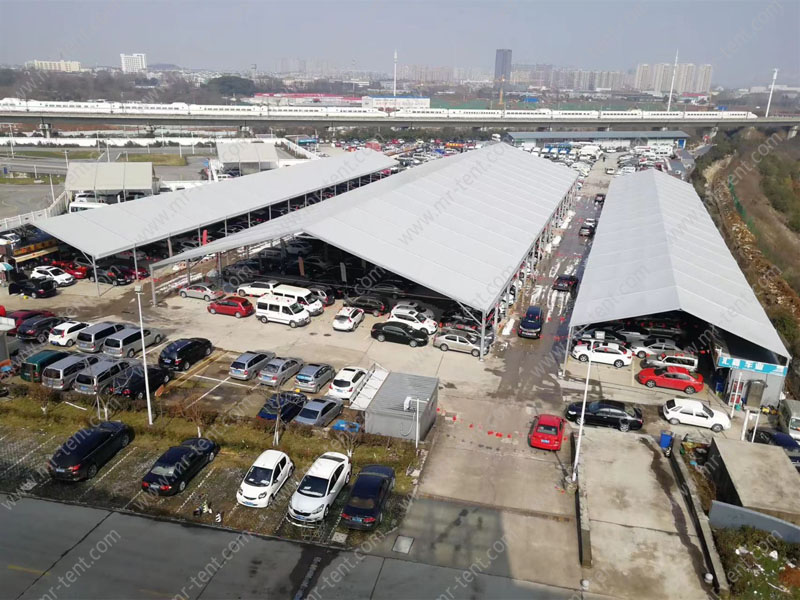
Large Exhibition Tent
In the dynamic world of events and exhibitions, the demand for flexible, functional, and adaptable spaces has never been higher. Large exhibition tents have emerged as a cornerstone solution, offering a unique blend of versatility, practicality, and aesthetic appeal that traditional brick-and-mortar venues often struggle to match. From trade shows and industry conferences to art fairs and cultural festivals, these temporary structures have redefined how we host and experience large-scale gatherings.
At the core of the large exhibition tent’s appeal is its unparalleled flexibility. Unlike permanent venues, which are constrained by fixed dimensions and layouts, exhibition tents can be customized to fit a wide range of spaces and requirements. Whether set up in a sprawling outdoor field, a bustling city square, or a compact urban parking lot, these tents can be tailored in size, shape, and configuration to accommodate events of all scales—from intimate industry workshops with a few hundred attendees to massive trade expos drawing tens of thousands. This adaptability is particularly valuable in regions where permanent exhibition facilities are scarce or unavailable, as it allows event organizers to bring large-scale gatherings to diverse locations without the need for costly and time-consuming construction projects.
The design of large exhibition tents has evolved significantly over the years, moving beyond the basic canvas structures of the past to sophisticated, engineered solutions that prioritize both form and function. Modern exhibition tents are characterized by their modular designs, which enable seamless expansion and customization. Modular components such as side panels, roof extensions, and internal partitions can be easily added or removed to create distinct zones within the tent—such as exhibition booths, seminar rooms, catering areas, and networking spaces. This modularity not only enhances the functionality of the tent but also allows organizers to optimize the use of available space, ensuring a smooth flow of foot traffic and a comfortable experience for attendees.
Another key aspect of modern exhibition tent design is the focus on structural integrity and safety. Engineered to withstand a variety of weather conditions, including strong winds, heavy rain, and even snow in some cases, these tents are built with robust frames and high-quality fabrics that meet rigorous safety standards. The frames, typically made from lightweight yet durable materials such as aluminum or steel, provide exceptional stability while remaining easy to transport and assemble. The fabric covers, meanwhile, are designed to be water-resistant, UV-protective, and flame-retardant, ensuring the safety and comfort of attendees even in challenging environmental conditions. Additionally, modern exhibition tents are equipped with advanced ventilation systems, lighting fixtures, and climate control options, making them suitable for use in all seasons and climates.
The diverse applications of large exhibition tents are a testament to their versatility. One of the most common uses is in the realm of trade shows and industry expositions. These events require large, open spaces to accommodate numerous exhibition booths, product displays, and demonstration areas, and exhibition tents provide an ideal solution. They allow organizers to create a cohesive event space that can be easily modified to suit the specific needs of different industries—whether it’s a technology expo requiring dedicated areas for interactive displays or a manufacturing trade show needing space for heavy machinery demonstrations. Moreover, exhibition tents can be branded with custom graphics and signage, helping to create a cohesive and immersive brand experience for attendees.
Beyond trade shows, large exhibition tents are also widely used for cultural and recreational events. Art fairs, for example, often utilize these tents to showcase works of art in a flexible, open environment that allows visitors to move freely between exhibits. The natural light that filters through the tent fabric creates a warm and inviting atmosphere, enhancing the viewing experience for art enthusiasts. Similarly, music festivals and cultural celebrations often rely on large exhibition tents to host performances, workshops, and food vendors, providing shelter for attendees while maintaining the outdoor, festive ambiance of the event. In some cases, these tents are even used as temporary theaters or concert halls, equipped with sound systems and seating to accommodate live performances.
Corporate events and conferences are another major application area for large exhibition tents. Companies often use these structures to host annual meetings, product launches, and team-building events, as they offer a level of customization and flexibility that traditional conference centers cannot match. For example, a company launching a new product might use an exhibition tent to create a unique, branded space that includes product demonstration areas, seating for presentations, and networking lounges. The ability to customize the layout and design of the tent allows companies to tailor the event to their specific goals and brand identity, creating a memorable experience for employees, clients, and stakeholders.
In addition to their use in events and exhibitions, large exhibition tents also play a vital role in emergency response and disaster relief efforts. When natural disasters such as hurricanes, floods, or earthquakes strike, these tents can be quickly deployed as temporary shelters, medical facilities, or supply distribution centers. Their lightweight and portable design make them easy to transport to remote areas, while their robust construction ensures they can withstand harsh weather conditions. In emergency situations, the speed with which exhibition tents can be set up is crucial, providing much-needed shelter and support to affected communities in a timely manner.
Material advancements have been a key driver in the evolution of large exhibition tents. In the past, most exhibition tents were made from canvas, a durable but heavy material that was difficult to transport and assemble. Today, however, the majority of modern exhibition tents use synthetic fabrics such as polyethylene, polyester, and PVC. These materials offer a range of advantages over traditional canvas, including being lightweight, water-resistant, UV-protective, and easy to clean. Polyethylene, for example, is a lightweight and cost-effective material that is ideal for temporary structures, while PVC is a more heavy-duty option that offers superior durability and weather resistance. Additionally, many of these synthetic fabrics are flame-retardant, ensuring compliance with safety regulations and providing peace of mind for event organizers.
The frames of large exhibition tents have also benefited from material innovations. Aluminum is now the material of choice for most tent frames, thanks to its lightweight, corrosion-resistant, and strong properties. Aluminum frames are significantly lighter than steel frames, making them easier to transport and assemble, while still providing the necessary structural stability. In some cases, high-strength steel is used for larger or more heavy-duty tents, offering exceptional durability and load-bearing capacity. The use of these advanced materials has not only improved the performance and safety of exhibition tents but also reduced their environmental impact, as many of these materials are recyclable.
Sustainability is an increasingly important consideration in the events industry, and large exhibition tents are no exception. Event organizers are increasingly seeking eco-friendly solutions that minimize their environmental footprint, and exhibition tents offer several advantages in this regard. Unlike permanent venues, which require significant energy and resources to construct and maintain, exhibition tents are temporary structures that can be reused multiple times. Many tent manufacturers also offer eco-friendly fabric options, such as recycled polyester or PVC-free materials, which further reduce the environmental impact. Additionally, the modular design of exhibition tents allows for efficient use of resources, as components can be reused or repurposed for different events, reducing waste.
The future of large exhibition tents looks promising, with ongoing innovations in design, materials, and technology set to further enhance their functionality and appeal. One area of development is the integration of smart technology into tent systems. For example, some modern exhibition tents are now equipped with IoT (Internet of Things) sensors that monitor temperature, humidity, and air quality, allowing organizers to adjust climate control systems in real time. Additionally, advances in lighting technology, such as LED lighting, have made exhibition tents more energy-efficient, reducing power consumption and lowering operating costs.
Another trend in the evolution of large exhibition tents is the focus on aesthetic design. As event organizers seek to create more immersive and visually appealing experiences for attendees, tent manufacturers are offering a wider range of design options, including custom colors, patterns, and even transparent or semi-transparent fabrics that allow for natural light to flood the space. Some tents also feature sleek, modern designs with clean lines and minimalistic frames, making them suitable for high-end events such as fashion shows and luxury product launches.
The global events industry has faced significant challenges in recent years, including the COVID-19 pandemic, which led to the cancellation or postponement of countless large-scale gatherings. However, large exhibition tents played a crucial role in the industry’s recovery, offering a safe and flexible solution for hosting events while adhering to social distancing guidelines. The ability to set up outdoor or semi-outdoor spaces with good ventilation allowed event organizers to bring back in-person gatherings, providing a much-needed boost to the industry. This experience has highlighted the resilience and adaptability of large exhibition tents, further cementing their position as a vital component of the modern events landscape.
In conclusion, large exhibition tents have evolved from simple temporary shelters to sophisticated, versatile spaces that are reshaping the way we host and experience events. Their unparalleled flexibility, structural integrity, and diverse applications make them an ideal solution for trade shows, cultural events, corporate gatherings, and emergency response efforts. Material advancements and a growing focus on sustainability have further enhanced their appeal, while ongoing innovations in design and technology promise to unlock even more possibilities in the future. As the events industry continues to evolve, large exhibition tents will undoubtedly remain a key player, offering event organizers the freedom to create unique, memorable experiences that meet the changing needs of attendees and the world around us. Whether used to host a massive trade expo, a intimate art fair, or a vital disaster relief center, large exhibition tents are more than just temporary structures—they are dynamic spaces that bring people together, foster connection, and drive innovation.