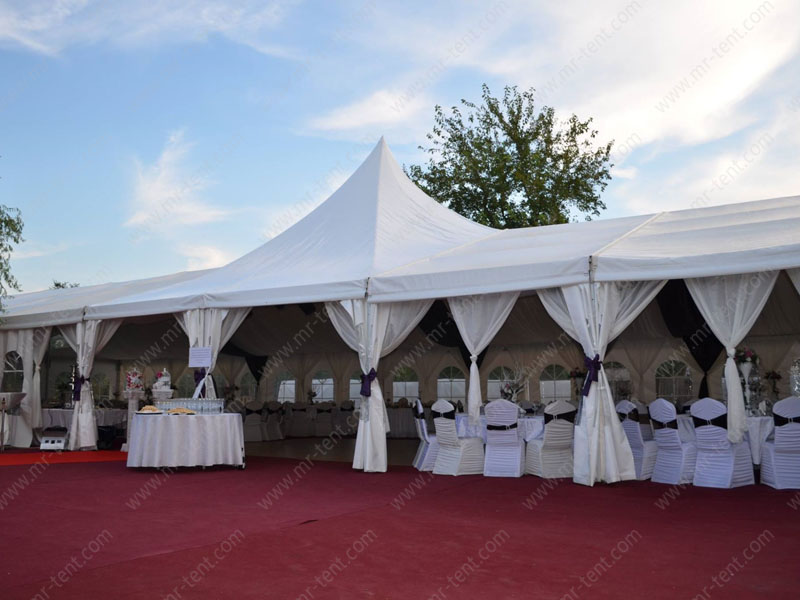
High Peak Tent
There is a unique thrill in venturing into mountainous terrain—where the air grows crisper, the views stretch endlessly, and the world feels both vast and intimate. For those who chase this feeling, the right shelter is not just a convenience but a lifeline, a space that shields against the elements while allowing full immersion in the wilderness. Among the various shelters designed for high-altitude adventures, high peak tents stand out as a popular choice, blending functionality, durability, and adaptability to the harsh conditions of elevated landscapes.
To understand the appeal of high peak tents, it is first essential to recognize the unique challenges of high-altitude camping. Mountain environments are notoriously unpredictable: sudden rainstorms, strong winds, low temperatures, and even snow can occur with little warning, even in seemingly mild seasons. The air is thinner, making physical exertion more taxing, and the terrain is often uneven and rocky, requiring shelters that are easy to set up without excessive effort. Traditional tents, designed for low-lying areas, may struggle to withstand these conditions—collapsing under strong gusts, leaking during heavy downpours, or failing to retain heat in cold climates. High peak tents, by contrast, are engineered specifically to address these challenges, with a design that prioritizes stability, weather resistance, and efficiency.
At the core of a high peak tent’s functionality is its distinctive shape. Unlike the rounded domes or flat-roofed designs of many casual tents, high peak tents feature a tall, steeply angled roof that tapers to a point at the top. This design is not merely aesthetic; it is a product of careful engineering aimed at optimizing performance in harsh environments. The steep angles of the roof play a crucial role in shedding precipitation—rain, snow, and sleet slide off quickly, preventing accumulation that could weigh down the tent and cause structural damage. In snow-prone areas, this is particularly critical: a flat or gently sloped roof can quickly become burdened with heavy snow, risking collapse, while a high peak design ensures that snow does not linger, maintaining the tent’s integrity.
The tall peak of these tents also offers practical advantages in terms of interior space and ventilation. The elevated ceiling creates more headroom, making the tent feel less cramped and allowing campers to move around more freely—an important consideration after a long day of hiking, when comfort and mobility are valued. Additionally, the height facilitates better air circulation. Hot air rises, and the high peak provides a space for warm air to accumulate and escape through vents placed near the top of the tent. This ventilation system is essential for preventing condensation, a common problem in tents that can leave gear and sleeping bags damp. In high-altitude environments, where temperatures drop sharply at night, condensation can be particularly problematic, as damp gear loses its insulating properties and increases the risk of hypothermia. By promoting air flow, high peak tents minimize condensation, keeping the interior dry and comfortable.
Stability in high winds is another key strength of high peak tents. Mountainous areas are often exposed to strong, gusty winds that can test the limits of any shelter. The aerodynamic shape of high peak tents—streamlined and tapered—helps to reduce wind resistance. Unlike boxy or wide tents that catch the wind like a sail, the narrow profile and steep angles of high peak designs allow wind to pass over and around the tent, minimizing the force exerted on its structure. To further enhance stability, high peak tents are typically equipped with robust pole systems. Many feature lightweight yet strong poles made from materials that offer excellent flexibility and strength, allowing them to bend slightly in the wind without breaking. The poles are often arranged in a triangular or hexagonal framework, which distributes tension evenly across the tent’s fabric, creating a rigid structure that can withstand strong gusts.
Guy lines and stake points are also integral to the stability of high peak tents. These tents come with multiple guy line attachment points, strategically placed along the sides and peak of the tent to anchor it firmly to the ground. In high-wind conditions, proper tensioning of these guy lines is essential, as they help to pull the tent taut and prevent it from flapping or shifting. The stake points are reinforced to handle the stress of strong winds, and when used with durable stakes—such as those made from aluminum or steel—they provide a secure anchor even in rocky or hard-packed soil. For added stability in extreme conditions, many campers use additional anchors, such as rocks or sandbags, to weigh down the tent’s corners, further ensuring that it remains firmly in place.
The choice of fabric is another critical factor in the performance of high peak tents. Given the harsh conditions of high-altitude environments, the fabric must be both durable and weather-resistant. Most high peak tents are made from high-quality synthetic materials, such as polyester or nylon, which offer excellent strength-to-weight ratios. These fabrics are resistant to tearing, abrasion, and UV damage—important considerations when camping in exposed areas where the sun’s rays are stronger due to thinner atmospheric protection. Additionally, the fabric is treated with a waterproof coating, such as polyurethane (PU) or silicone, to prevent water from seeping through. The seams of the tent are also sealed with waterproof tape, as seams are often the weakest point for water penetration. Some high peak tents feature a double-wall design: an inner tent that provides living space and an outer rainfly that offers an extra layer of protection against the elements. The rainfly is typically detachable, allowing campers to remove it during clear weather to enjoy better ventilation and stargazing.
Weight is a crucial consideration for any backpacking tent, and high peak tents are no exception. While they are designed to be durable and weather-resistant, they must also be lightweight enough to carry on long hikes into mountainous terrain. Manufacturers of high peak tents balance these competing demands by using lightweight materials and optimizing the tent’s design to minimize unnecessary weight. Many high peak tents weigh between 2 and 4 kilograms, making them suitable for backpackers who need to keep their overall pack weight manageable. Some ultralight models, designed for experienced hikers, may weigh even less, though they often come with trade-offs in terms of durability or interior space. The pole systems also contribute to the tent’s weight: aluminum poles are lighter than steel, making them the preferred choice for most high peak tents, while some premium models use carbon fiber poles for an even lighter weight.
Ease of setup is another important feature of high peak tents, especially for campers who are tired after a long day of hiking or who need to set up shelter quickly before a storm hits. Most high peak tents are designed with simplicity in mind, featuring color-coded poles and clip-on attachments that make assembly straightforward. The pole sections are often pre-connected or easy to snap together, and the tent body can be quickly attached to the poles using clips or sleeves. Some models even feature a “fast pitch” design, allowing the tent to be set up in minutes with minimal effort. This ease of setup is particularly valuable in high-altitude environments, where time is often of the essence and campers may be dealing with fatigue or harsh weather conditions.
The interior design of high peak tents is also tailored to the needs of high-altitude campers. While the focus is on functionality, manufacturers also strive to maximize comfort and usability. The tall peak creates ample headroom, as mentioned earlier, and many models feature a vestibule—a covered area at the entrance of the tent that provides additional storage space for gear, such as backpacks, boots, and wet clothing. This keeps the main living area clutter-free and protects gear from the elements. Some high peak tents also have multiple entrances, which is convenient for campers sharing the tent, as it allows for easy access without disturbing others. Interior pockets and gear loops are common features, providing a place to store small items like phones, flashlights, and water bottles, keeping them organized and within reach.
When it comes to choosing a high peak tent, there are several factors that campers should consider to ensure that it meets their specific needs. The first is the number of people the tent will accommodate. High peak tents are available in a range of sizes, from one-person models designed for solo hikers to four-person or larger tents for groups or families. It is important to choose a tent that provides enough space for all campers and their gear, while still being lightweight enough to carry. The season rating of the tent is another key consideration. Most high peak tents are three-season tents, designed to handle spring, summer, and fall conditions, including light snow and moderate winds. For winter camping or camping in extreme high-altitude environments, a four-season tent is recommended, as these are built with heavier-duty materials, stronger pole systems, and better insulation to withstand heavy snow, strong winds, and freezing temperatures.
The intended use of the tent also plays a role in the selection process. For casual backpackers who plan to camp in well-traveled mountain areas with moderate conditions, a standard three-season high peak tent may be sufficient. For more adventurous hikers who plan to explore remote, high-altitude regions with unpredictable weather, a more robust four-season model with additional features like reinforced guy lines, extra waterproofing, and better insulation may be necessary. Campers should also consider their level of experience: less experienced campers may benefit from a tent that is easy to set up and has a simple design, while experienced hikers may be willing to sacrifice some ease of setup for a lighter weight or more durable model.
Using a high peak tent effectively requires more than just choosing the right model; it also involves proper setup and maintenance. To ensure maximum stability, campers should select a flat, level campsite that is sheltered from strong winds if possible—for example, behind a boulder, tree, or ridge. It is important to clear the campsite of any rocks, sticks, or debris that could puncture the tent floor. When setting up the tent, the poles should be fully extended and secured, and the guy lines should be tensioned properly to keep the tent taut. The rainfly should be attached correctly, ensuring that there is no contact between the rainfly and the inner tent—this helps to prevent condensation. In wet conditions, campers should avoid touching the inner tent walls, as this can transfer moisture from the outside to the inside.
Maintenance of the high peak tent is also essential to ensure its longevity. After each trip, the tent should be thoroughly cleaned and dried before being stored. Dirt and debris can damage the fabric and waterproof coating, so the tent should be wiped down with a damp cloth and mild soap if necessary. It is important to dry the tent completely, both inside and out, to prevent mold and mildew growth, which can degrade the fabric and cause unpleasant odors. The tent should be stored in a cool, dry place, preferably in a loose sack rather than a tight stuff sack, to allow the fabric to breathe. Campers should also inspect the tent regularly for signs of wear and tear, such as tears, holes, or damaged seams, and repair them promptly using a tent repair kit.
The experience of camping in a high peak tent is one that enhances the connection between campers and the natural world. The tall peak of the tent allows for unobstructed views of the surrounding mountains when the rainfly is removed, and the steep angles frame the sky, creating a sense of being immersed in the landscape. At night, lying in a high peak tent, campers can listen to the wind rustle through the trees or the sound of a nearby stream, while staying warm and dry inside. The compact, efficient design of the tent encourages minimalism, prompting campers to bring only what they need and focus on the essentials of survival and enjoyment in the wilderness.
High peak tents also enable campers to explore more remote and challenging areas that may be inaccessible with heavier, less durable shelters. Whether it’s a multi-day hike into a high-alpine meadow, a backpacking trip along a mountain ridge, or a winter camping adventure in a snow-covered wilderness, a high peak tent provides the confidence and security needed to venture into these environments. For many outdoor enthusiasts, the ability to camp comfortably at high altitudes is a gateway to some of the most breathtaking and untouched landscapes on earth—places where the only sounds are the wind and the call of wild animals, and the views are nothing short of spectacular.
In conclusion, high peak tents are a testament to the ingenuity of outdoor gear design, blending form and function to meet the unique challenges of high-altitude camping. Their distinctive high peak shape, robust construction, weather-resistant materials, and user-friendly features make them an ideal choice for anyone seeking to explore mountainous terrain. Whether you are a seasoned backpacker or a casual camper looking to venture beyond low-lying areas, a high peak tent offers the comfort, safety, and durability needed to embrace the beauty and adventure of nature’s heights. By choosing the right high peak tent and using it properly, you can turn your mountain adventures into unforgettable experiences, creating memories that will last a lifetime.