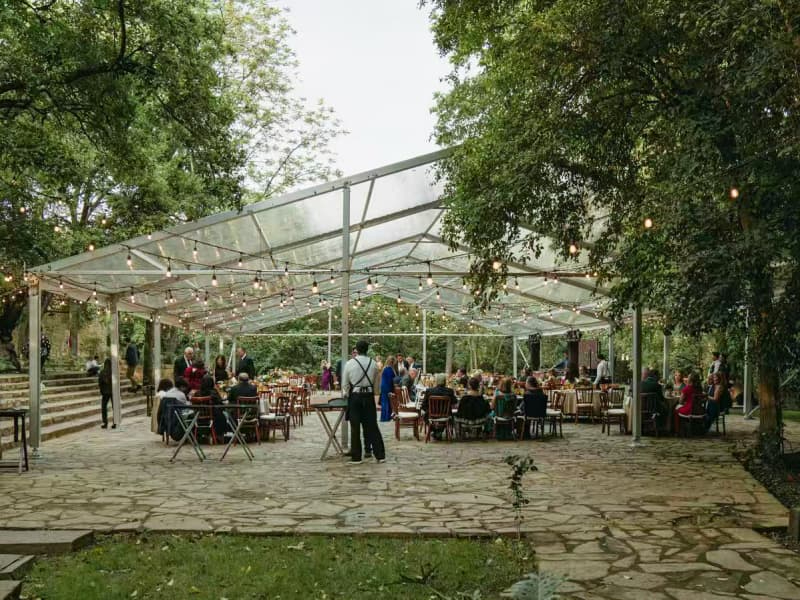
Wedding Event Tent
A wedding event tent offers flexible, customisable outdoor wedding space free from fixed venue constraints. Its fabric, sturdy frame, flooring and climate, lighting and sound systems are carefully arranged to ensure guest comfort and visual appeal. With drapery, greenery and floral decor, it can be styled to match diverse aesthetics. Meticulous logistics govern installation, decoration and dismantling. More than temporary shelter, it blends indoor comfort with natural scenery, creating a unique, intimate setting full of romantic memories for couples and guests.
A wedding event tent serves as a blank canvas for couples who wish to shape their celebration around personal taste rather than the fixed layout and restrictions of a traditional indoor venue. Unlike banquet halls that come with permanent walls, lighting fixtures and pre-set seating arrangements, a tent structure can rise on nearly any open piece of land, whether beside a quiet lake, within a sprawling orchard, on a manicured lawn or at the edge of a woodland clearing. This flexibility opens up countless creative possibilities, letting the natural surroundings become a core part of the wedding atmosphere rather than just a view seen through windows. Many couples choose this option because they want their day to feel intimate and rooted in a place that carries special meaning, such as a family property they have known since childhood or a scenic spot where they first shared important moments together. The tent itself can be sized precisely to match the guest count, from smaller gatherings of close family and friends to larger celebrations with hundreds of attendees, and the internal space can be divided smoothly to separate dining areas, dance floors, lounge zones, cocktail spaces and quiet corners for rest. Even the basic shape can be adjusted, with elongated rectangular layouts that guide guests along a gentle flow from entry to the main dining space, or wide square forms that keep the whole group visually connected. As the foundation of the event, the tent balances protection from shifting weather with a light, open quality that avoids the closed-in feeling common in conventional buildings. Soft fabric walls can be rolled up or removed entirely when the weather is pleasant, letting fresh air drift through and blending the interior celebration with the outdoor scenery, while clear side panels preserve visibility of the landscape even when wind or light rain makes enclosure necessary. Every choice around the tent begins with the simple desire to build a wedding environment that feels uniquely theirs, unbound by the rigid rules and aesthetic limitations that come with booking established reception spaces.
The fabric used to construct a wedding event tent has a profound influence on both the practical experience and the overall mood of the day, and careful selection considers much more than just outward appearance. High-quality tent fabrics are engineered to resist water, block harsh direct sunlight and hold their shape steadily through hours of use, preventing sagging or wrinkling that would distract from the polished feel of the celebration. Different fabric finishes create distinct lighting effects under the tent ceiling; opaque matte materials diffuse incoming sunlight into soft, even glow that flatters photographs and keeps guests comfortable on warm afternoons, while translucent fabric allows gentle golden sunset light to filter through and paint the interior with warm, shifting tones as the day moves toward evening. Some fabric options carry subtle texture, from smooth taut surfaces that give a sleek, modern impression to lightly textured weaves that lend a rustic, romantic warmth, and all of these choices work alongside the decorative elements added later. The fabric also plays a quiet role in temperature management, blocking solar heat so the space does not grow uncomfortably hot even on bright summer days, and holding in warmth when the air turns cool in spring or autumn. Maintenance of the fabric is handled before and after each use, with thorough inspections to check for small tears, stains or weakened seams that could compromise performance, and cleaning processes designed to preserve the colour and finish without leaving streaks or discolouration. Colour choices for the tent shell lean heavily toward neutral shades, most commonly soft white and cream, because these tones act as a neutral backdrop for floral arrangements, drapery, lighting and table decor, allowing those decorative features to stand out without clashing. Rarely do couples select bold coloured tent shells, as strong hues can cast unwanted tinted light over skin tones, food and fine details during photography and throughout the reception. When paired with sheer interior linings that drape along the ceiling and support beams, the fabric transforms the utilitarian frame of the tent into something delicate and elegant, hiding metal supports and turning overhead space into one of the most striking visual features of the whole wedding setup.
Beneath the outer shell of the wedding event tent, the support framework creates the invisible backbone that keeps the entire structure stable and secure, and every component is positioned with careful attention to balance and spacing. Frames are built from lightweight yet sturdy metal, shaped into poles, cross beams and connecting joints that lock together to distribute weight evenly across the full span of the roof. The layout of poles is planned around the functional needs of the event space, as poorly placed supports can block sightlines toward the head table, obstruct the dance floor or create awkward gaps in seating arrangements. Experienced installation teams map out pole positions long before assembly begins, working from the couple’s floor plan to ensure clear sightlines for speeches, first dances and ceremony moments that may happen inside the tent. Wider tent spans require reinforced bracing to hold the roof taut, and tension is adjusted gradually across the whole frame so no single section carries too much strain. Anchoring methods adapt to the surface where the tent sits; on grassy ground, stakes drive deep into the earth to hold the base secure, while hard surfaces such as paved patios require weighted blocks placed strategically along the perimeter, avoiding damage to the ground beneath. The frame is designed for fast, precise assembly, yet each connection point is checked repeatedly to confirm stability, because safety remains the highest priority throughout setup and the duration of the event. Once the frame stands complete, crew members attach the fabric roof carefully, pulling it evenly from all sides to avoid uneven tension that could lead to pooling water during rain or premature wear. Many couples worry that exposed metal framing will look industrial and out of place for a romantic wedding, which is why interior drapery, greenery garlands and string lights are often wrapped along beams and poles to soften their look. These decorative touches do not interfere with the structural integrity of the frame, as installers know which areas can safely hold light decorative attachments and which must remain unobstructed for proper support and inspection. The frame itself is not meant to be the focus of the wedding design, but its reliable performance makes every beautiful detail above and below it possible.
Climate control inside a wedding event tent is a key consideration, as the enclosed space can respond quickly to changes in outdoor temperature and weather conditions, and thoughtful planning ensures guests stay comfortable from the start of the ceremony until the final moments of the reception. On warm summer days, air circulation is the first priority, and large quiet fans positioned at intervals along the tent help move stagnant air without creating disruptive gusts that blow napkins, floral centrepieces or paper place cards across the tables. When temperatures rise significantly, cooling systems can be integrated into the space, with airflow directed to spread gently across seating areas rather than blasting cold air directly on small groups or food service stations. Care is taken to position cooling equipment outside the main guest zone whenever possible, reducing background noise so speeches, live music and conversation remain easy to hear. For weddings held in cooler seasons, heating solutions are arranged to distribute warmth evenly and avoid hot spots near heat sources. Heaters are placed following careful spacing rules, kept at a safe distance from fabric, drapery and floral displays to eliminate fire risk, and airflow patterns are tested to prevent one side of the tent from feeling cold while the other grows overly warm. Humidity is another factor to monitor; high moisture in the air can make a warm tent feel stifling, and it may also affect fresh flowers, delicate cake decorations and paper stationery, so air movement helps reduce condensation and dampness. If rain is forecast, the tent design includes slopes built into the roof to guide water toward perimeter drainage points, preventing standing water from weighing down the fabric and dripping onto guests below. Side walls can be added or removed flexibly throughout the day as conditions shift, closed against wind or drizzle and opened again when sunshine returns. The goal of all climate adjustments is not to make the tent feel like a sealed indoor room, but to preserve its open, airy charm while removing the discomfort that extreme heat, cold or dampness could bring. Guests rarely notice how much planning goes into these systems, but they will remember whether they felt relaxed and at ease through every hour of the celebration.
Lighting design within a wedding event tent shapes the emotional rhythm of the day, shifting from bright, gentle illumination for afternoon dining and group photographs to softer, warmer glows once dusk settles over the surrounding landscape. Natural daylight enters the tent first, filtered through the roof fabric and clear side panels, and lighting designers build their plans around how that natural light will fade as sunset approaches. String lights are among the most popular choices, strung across ceiling beams in loose grids or flowing curved lines that cast tiny points of warm light over tables and the dance floor, creating a dreamy atmosphere without overwhelming the space. Pendant lights may hang above the head table or the cake display, drawing gentle focus to these meaningful spots, and their shades can be selected to match the wedding’s colour palette and decorative style. Uplights placed along the base of tent poles wash soft pools of colour up the drapery and fabric walls, and these hues can be adjusted subtly to match the mood, shifting from muted blush or ivory during dinner to deeper, richer tones once dancing begins. Pin spot lighting is used to highlight special details, locking narrow beams onto floral centrepieces, wedding cakes and artful place settings so these carefully crafted elements do not disappear into dim evening light. Care is taken to avoid harsh overhead lighting that creates unflattering shadows on faces during speeches and dances; layered lighting mixes many low-intensity sources rather than relying on a few bright overhead fixtures. Wiring is routed neatly along framing, hidden behind drapery or greenery wherever possible, and all connections are secured to avoid tripping hazards for guests and staff. Lighting also works hand in hand with photography, because professional photographers rely on predictable, balanced light to capture clear, warm images of the couple and their loved ones. When the sun fully sets and the world outside turns dark, the tent becomes a glowing sanctuary, separated from the night by nothing more than soft fabric and carefully arranged light, a space where the celebration can continue wrapped in quiet warmth long after daylight has gone.
Flooring inside a wedding event tent transforms bare ground into a polished, stable surface suited for dining, dancing and movement, and the selection of flooring material ties closely to both practical needs and aesthetic vision. Many tent locations sit directly on grass, which can become soft and uneven after rain, or worn down quickly by heavy foot traffic throughout the day. Temporary flooring panels lock together to form a continuous flat surface, protecting the underlying ground while giving guests a steady place to walk, sit and dance. These panels can be left with a simple neutral finish, or covered with other materials to change the look of the space. Carpeting brings softness underfoot and absorbs sound, reducing echo inside the tent and helping voices and music sound clearer; plush neutral carpets create a luxurious feel, while textured weaves fit rustic and bohemian wedding themes. Harder surface options mimic wood or stone, offering a sleek finish that works beautifully for the dance floor, where smooth movement matters most. Couples often choose different flooring treatments for separate zones, using carpeted pathways to guide guests from the entrance to the dining area and a polished wood-look surface reserved exclusively for dancing. Edges of the flooring are finished carefully to eliminate sudden height changes that could create tripping risks, and the perimeter is fitted to match the tent’s footprint exactly so gaps do not leave exposed dirt or grass showing. Flooring installation happens early in the setup timeline, before tables, chairs and decor are brought in, giving crews time to level panels and adjust for gentle slopes in the natural terrain. Beyond comfort and appearance, flooring also protects delicate rented furniture, keeping chair legs from sinking into wet grass and preventing mud from being tracked onto linens, place settings and wedding attire. While flooring is sometimes overlooked as a background detail, it establishes the foundational feel of the tent space. A thoughtfully finished floor makes the tent feel intentional and complete, lifting the whole experience above the simple feeling of gathering on open ground and creating a refined environment worthy of such a meaningful occasion.
Interior drapery and decorative styling turn the plain fabric shell and metal frame of a wedding event tent into a cohesive environment that reflects the couple’s unique vision, with countless subtle ways to layer texture and colour without overcrowding the space. Ceiling drapes can hang in long flowing swags between support beams, gathered softly at connection points to create billowing clouds of sheer or heavy fabric overhead, or stretched taut in clean horizontal lines for a minimalist contemporary look. Sheer drapery catches the glow of string lights and uplights, diffusing light into soft haze, while heavier lined drape adds richness and can block unwanted glare if part of the tent faces direct sunset. Drapery is not limited to the ceiling; panels can hang along side walls to frame entryways, create private nooks, or divide the tent into smaller intimate sections for cocktail hours or quiet family moments. Greenery complements fabric beautifully, with garlands of leafy vines woven along beams and around poles, sometimes interspersed with fresh blooms that echo the bouquets and table arrangements. Floral installations can hang from the ceiling above the head table or dance floor, suspended at a height that does not interfere with sightlines or lighting, offering dramatic focal points that draw the eye upward. Even small decorative choices add up, from ribbons tied loosely along drape edges to hanging dried botanicals and delicate paper ornaments that move gently in soft air currents. Stylists work to maintain visual balance across the tent, ensuring that busy decorative features on one side are offset by quieter, simpler areas elsewhere so the space never feels visually chaotic. Every decorative element is installed with awareness of the tent’s structure; nothing heavy is hung from fabric alone, and all suspended decor attaches securely to the load-bearing frame. The goal of styling is not to hide the tent completely, but to embrace its open structure and enhance its natural romantic quality. When drapery, greenery and blooms are arranged in harmony, the tent stops feeling like a temporary shelter and becomes a fully realized setting, one that feels naturally built for the couple’s wedding day rather than decorated onto a generic rental structure.
Sound management within a wedding event tent presents unique challenges compared to permanent buildings, because fabric walls and open sides reflect and absorb sound differently from drywall, wood and plaster, and careful planning keeps audio clear for every part of the program. Sound waves bounce off hard surfaces such as flooring, metal frames and tabletops, while tent fabric absorbs some high-frequency sound, which can make speech sound muffled or create echo if audio equipment is positioned without forethought. Audio specialists test the space once the tent, flooring and drapery are fully installed, because adding soft drapery and carpet changes the acoustic profile dramatically from the empty tent frame. Microphones for speeches are positioned to cut through background noise without amplifying rustle from fabric or wind drifting through open sides. Speakers are placed around the tent in balanced positions, angled to send sound toward guest seating rather than directly bouncing it off the ceiling or hard side panels, and volume levels are calibrated so people at the far end of the tent can hear clearly while those standing close to speakers do not experience harsh loud noise. Live musical performances require extra consideration; acoustic instruments sound wonderfully warm inside a properly styled tent, but larger bands need careful placement to avoid overwhelming conversation during dinner. If side walls are open, unexpected gusts of wind can carry outside noise into the space, so audio teams build a little flexibility into their setup to adjust volume as conditions shift throughout the evening. Dance music is managed separately from speech audio, often using different speaker channels and volume settings so the energy of dancing does not drown out important announcements. All audio cables are secured neatly along framing or under flooring covers to keep walkways safe and preserve the clean visual design of the tent. Many couples dream of soft live music drifting through an open-sided tent as the sun sets, and good sound planning makes that dream possible without sacrificing clarity during the most meaningful spoken moments. When handled well, the tent’s acoustic character becomes part of its charm, lending a warm, enveloping quality to music and speeches that rarely exists in hard-surfaced reception halls.
Logistics and workflow planning for a wedding event tent begin long before the day of the celebration, coordinating the sequence of delivery, assembly, decoration, catering setup and final breakdown to avoid rushed or overlapping work. Installation teams arrive days ahead of the wedding whenever the schedule allows, giving time to lay flooring, erect the frame, attach the roof and side panels, and test all systems including lighting, heating or cooling and anchoring. This advance setup creates room to fix unexpected issues, such as uneven ground that requires extra levelling, or last-minute adjustments to the tent footprint to preserve a special tree or scenic view on the property. Decorators, florists and audio crews follow after the core tent structure and flooring are complete, because their work depends on a stable, finished shell before they can hang drapery, mount lights and arrange installations. Catering teams need clear access routes to bring food, serving equipment and beverage stations into the tent, and workflow plans separate service pathways from guest areas so staff can move efficiently without interrupting photographs or quiet moments. Entry points are designated to guide guests smoothly from parking areas into the main space, and temporary walkways may be added to connect the tent to restroom trailers, bar areas or separate ceremony spaces nearby. Timing on the wedding day itself accounts for shifting light and weather; crews stand ready to add or remove side walls quickly if rain rolls in, or adjust fan and heater settings as temperatures change. After the celebration ends, the breakdown process follows a reverse order, starting with removal of all decor, florals and rented tableware before the tent fabric is taken down, folded carefully and packed away. The frame is disassembled piece by piece and loaded onto transport vehicles, and the ground is restored as closely as possible to its original condition, with stakes removed and any temporary tracks from equipment cleaned up. This layered schedule requires communication between many different teams, all working around the central tent structure. While guests only see the finished, beautiful space when they arrive, the smooth running of the whole day depends on this behind-the-scenes organisation, ensuring that the tent functions reliably from the first guest arrival until the final farewell.
The lasting appeal of a wedding event tent comes from its ability to hold both grand celebration energy and quiet intimate feeling, adapting to the couple’s vision rather than forcing the couple to adapt to a venue’s built-in limits. It honours the desire to mark marriage in a space that feels personal and authentic, rooted in a beloved landscape and shaped by small, intentional choices about light, fabric, decor and comfort. Some couples choose a tent because they want minimal disruption to the natural environment, enjoying the way open sides keep them connected to the outdoors even while sheltered from the elements. Others embrace it for the creative freedom to build a fully bespoke aesthetic, from sleek modern minimalism to lush romantic abundance, with no permanent fixtures dictating what can and cannot be done. Every tent wedding carries a gentle awareness of the temporary nature of the space; it rises for just one day, crafted with care to hold laughter, vows, tears of joy, shared meals and dancing, then is taken down afterward, leaving the landscape behind largely unchanged. That temporality adds a quiet poignancy to the experience, reminding everyone that the wedding itself is a beautiful, fleeting moment, while the bonds being celebrated endure beyond the evening. Photographs captured within the tent preserve not just the couple and their guests, but the unique atmosphere of that exact day, the glow of lights against soft fabric, the view of trees or sky through open panels, the way sunlight fell across the tables and the warmth that filled the air as night arrived. For many who choose this path, the tent is more than practical shelter or a decorative backdrop. It is a space built for connection, a place where family and friends gather together surrounded by beauty chosen specifically for them. It bridges the comfort and structure of an indoor reception with the freedom and wonder of the outdoors, blending the best of both worlds into one unforgettable wedding experience that cannot be replicated inside any fixed building.