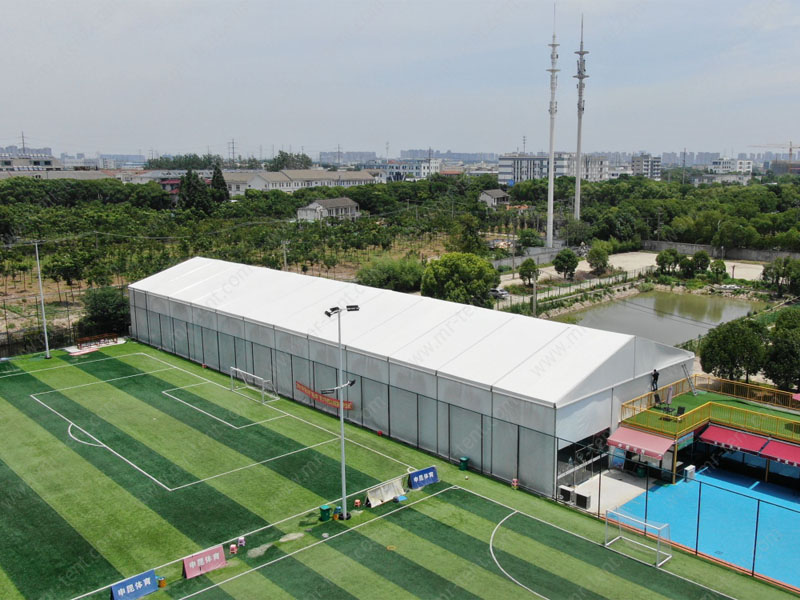
Large Outdoor Tent For Event
Outdoor events have a unique charm that indoor venues can rarely replicate—the fresh air, natural scenery, and sense of openness create unforgettable experiences for attendees. However, organizing a successful outdoor event requires careful planning, especially when it comes to protecting guests from the unpredictable elements. This is where large outdoor event tents shine. More than just temporary shelters, these structures have evolved into versatile, functional, and aesthetically pleasing solutions that cater to a wide range of events, from weddings and festivals to corporate gatherings and community celebrations. In this comprehensive guide, we will explore the world of large outdoor event tents, delving into their types, key considerations for selection, setup essentials, and the myriad ways they enhance the overall event experience.
The Evolution and Versatility of Large Outdoor Event Tents
The history of outdoor tents dates back centuries, with early versions used primarily for military campaigns and nomadic living. These simple structures were designed for portability and basic protection, made from animal skins, canvas, and wooden poles. Over time, as outdoor events became more popular and sophisticated, tents underwent a remarkable transformation. Modern large outdoor event tents are engineered with advanced materials and construction techniques, offering durability, stability, and customization options that were once unimaginable.
Today, large outdoor event tents are available in a variety of styles, each tailored to different event types and aesthetic preferences. One of the most common types is the frame tent, which features a sturdy metal frame that supports the tent fabric without the need for internal poles. This design maximizes interior space, making it ideal for events that require unobstructed views, such as weddings, banquets, and trade shows. Frame tents can be easily customized with sidewalls, windows, and flooring, and they are suitable for both flat and slightly sloped terrain.
Another popular option is the pole tent, which relies on central poles and guy ropes to maintain its shape. Pole tents are known for their classic, elegant appearance, with high peaks and sweeping lines that add a touch of sophistication to any event. They are often used for weddings, garden parties, and cultural festivals, where aesthetics play a key role. However, the internal poles can limit floor space, so they are better suited for events where seating arrangements can be adjusted around the poles.
For events that require rapid setup and teardown, such as music festivals and temporary markets, pop-up tents and inflatable tents are excellent choices. Pop-up tents feature a collapsible frame that can be set up in minutes, while inflatable tents use air pumps to inflate the structure, eliminating the need for complex assembly. Both options are lightweight and portable, making them ideal for events that move from one location to another.
The versatility of large outdoor event tents extends beyond their styles. They can be adapted to accommodate events of all sizes, from intimate gatherings of 50 people to large-scale events with thousands of attendees. With modular designs, multiple tents can be connected to create larger spaces, such as exhibition halls, dining areas, and lounge zones. Additionally, tents can be customized with a wide range of accessories, including lighting, heating, cooling, and decor, to create a unique and comfortable environment for guests.
Key Considerations When Choosing a Large Outdoor Event Tent
Selecting the right large outdoor event tent is crucial to the success of any outdoor event. With so many options available, it can be overwhelming to make the right choice. However, by considering the following key factors, you can narrow down your options and find the perfect tent for your event.
1. Event Type and Purpose
The first step in choosing a tent is to define the type and purpose of your event. Different events have different requirements, and the tent should be selected to meet those needs. For example, a wedding tent may require a more elegant design with high ceilings and decorative elements, while a corporate event tent may need to prioritize functionality, such as ample floor space for exhibits and seating areas. A music festival tent, on the other hand, may need to be durable enough to withstand large crowds and inclement weather.
It’s also important to consider the activities that will take place inside the tent. If you’re planning a banquet, you’ll need a tent with enough space for tables, chairs, and a dance floor. If you’re hosting a trade show, you’ll need a tent with clear span space to accommodate booths and displays. By defining the event type and activities, you can determine the size, style, and features of the tent you need.
2. Size Requirements
The size of the tent is one of the most critical factors to consider. To determine the right size, you need to estimate the number of attendees and the amount of space required for activities, equipment, and amenities. As a general rule of thumb, you should allocate approximately 10-15 square feet per person for standing events, 15-20 square feet per person for seated events with minimal space, and 20-30 square feet per person for seated events with more space, such as banquets and weddings.
It’s also important to consider additional space for amenities, such as restrooms, catering areas, bars, and storage. For example, a catering area may require 50-100 square feet, while a bar may need 30-50 square feet. You should also leave extra space around the tent for walkways, emergency exits, and ventilation. It’s better to err on the side of caution and choose a slightly larger tent than you think you need, as a cramped space can detract from the guest experience.
3. Location and Terrain
The location and terrain of your event site will have a significant impact on the type of tent you can use. Flat, level ground is ideal for most tents, as it ensures stability and easy setup. If the terrain is sloped or uneven, you may need to choose a tent with adjustable legs or a frame design that can accommodate uneven surfaces.
You should also consider the surrounding environment. If the event is taking place in a windy area, you’ll need a tent with a sturdy frame and strong fabric that can withstand high winds. In areas with heavy rain or snow, you’ll need a tent with a waterproof roof and proper drainage to prevent water accumulation. Additionally, you should check if there are any obstacles at the event site, such as trees, power lines, or buildings, that could limit the size or placement of the tent.
4. Weather Conditions
Weather is one of the biggest uncertainties when organizing an outdoor event, so it’s essential to choose a tent that can protect guests from the elements. In hot and sunny weather, you’ll need a tent with UV-resistant fabric to keep guests cool and protected from the sun’s harmful rays. You may also want to consider adding sidewalls with windows or mesh panels for ventilation.
In cold or rainy weather, a tent with insulated fabric and waterproof sidewalls is essential. You can also add heating systems, such as portable heaters or radiant heating, to keep the interior warm. For snowy conditions, the tent should have a strong roof that can support the weight of snow, and you may need to clear snow from the roof periodically to prevent damage.
5. Aesthetics and Customization
The appearance of the tent plays an important role in setting the tone for your event. Whether you’re planning a formal wedding or a casual festival, the tent should complement the overall theme and decor. Many tent rental companies offer a variety of fabric colors, including white, ivory, black, and custom colors, to match your event’s color scheme.
You can also customize the tent with a range of accessories, such as drapes, chandeliers, string lights, and floral arrangements. Sidewalls can be added or removed to create an open-air or enclosed space, and windows can be installed to let in natural light. Flooring options, such as wooden decks or carpet, can also enhance the aesthetic appeal and comfort of the tent.
Setup and Safety Essentials for Large Outdoor Event Tents
Proper setup and safety measures are essential to ensure the success and safety of your outdoor event. While many tent rental companies offer setup and teardown services, it’s important to understand the key steps and safety requirements to ensure everything runs smoothly.
1. Site Preparation
Before the tent is delivered, the event site needs to be properly prepared. This includes clearing the area of debris, rocks, and vegetation, and leveling the ground if necessary. If the ground is soft or muddy, you may need to lay down a base layer, such as gravel or plywood, to provide a stable surface for the tent.
You should also mark the location of the tent, including the placement of the frame, poles, and guy ropes. It’s important to ensure that there is enough space around the tent for walkways, emergency exits, and any additional amenities. Additionally, you should check for any underground utilities, such as water, gas, or electric lines, before digging any holes for tent stakes.
2. Tent Setup Process
The setup process varies depending on the type of tent. For frame tents, the process typically involves assembling the metal frame first, then attaching the fabric cover to the frame. For pole tents, the central poles are erected first, then the fabric is draped over the poles and secured with guy ropes and stakes. Inflatable tents require the fabric to be laid out, then inflated using an air pump.
It’s important to follow the manufacturer’s instructions carefully during setup to ensure the tent is stable and secure. All connections should be tight, and stakes should be driven deep into the ground to prevent the tent from shifting or collapsing. Guy ropes should be tensioned properly to provide additional stability, especially in windy conditions.
3. Safety Measures
Safety should be a top priority when using a large outdoor event tent. Here are some key safety measures to consider:
- Emergency Exits: The tent should have multiple emergency exits that are clearly marked and easily accessible. Exits should be kept free of obstacles at all times.
- Fire Safety: Tents should be made from fire-resistant fabric. You should also have fire extinguishers on hand, and ensure that there are no open flames, such as candles or grills, inside the tent unless properly ventilated and supervised.
- Electrical Safety: All electrical equipment, such as lighting and heating systems, should be properly grounded and inspected before use. Cords should be placed in areas where they won’t be tripped over, and extension cords should be rated for outdoor use.
- Weather Monitoring: Keep an eye on weather conditions throughout the event. If severe weather, such as high winds, heavy rain, or lightning, is predicted, you should have a plan in place to evacuate the tent and move guests to a safe location.
- Capacity Limits: Never exceed the maximum capacity of the tent. Overcrowding can lead to accidents, such as falls or stampedes, and can also put additional stress on the tent structure.
Enhancing the Event Experience with Large Outdoor Tents
Large outdoor event tents are more than just shelters—they can be transformed into immersive spaces that enhance the overall event experience. With the right customization and design, a tent can create a unique atmosphere that reflects the theme of your event and leaves a lasting impression on guests.
1. Lighting and Ambiance
Lighting is one of the most effective ways to transform the interior of a tent. String lights, chandeliers, and fairy lights can add a warm and romantic glow to a wedding tent, while colored LED lights can create a vibrant and energetic atmosphere for a music festival or party. Uplighting can be used to highlight the tent’s peaks and walls, adding depth and dimension to the space. For evening events, lighting should be both functional and decorative, ensuring that guests can see clearly while also creating a welcoming ambiance.
2. Comfort and Amenities
To ensure that guests are comfortable throughout the event, it’s important to provide the right amenities. This includes seating that is comfortable and appropriate for the event type, such as chairs with cushions for weddings and banquets, and benches or standing tables for festivals and cocktail parties. Flooring, such as wooden decks or carpet, can make the tent feel more like an indoor venue and provide a stable surface for guests to walk on.
Other amenities to consider include heating or cooling systems to maintain a comfortable temperature, restrooms that are clean and well-stocked, and catering areas that are easily accessible. For longer events, you may also want to provide lounge areas where guests can relax and socialize.
3. Decor and Theme Integration
Decor plays a key role in integrating the tent with the event’s theme. For a beach wedding, you can use light, airy fabrics, seashells, and driftwood to create a coastal vibe. For a rustic-themed event, you can use wooden accents, burlap, and wildflowers to add a country charm. The tent’s fabric color can also be used to complement the decor—white or ivory tents are versatile and work well with most themes, while colored tents can add a bold statement.
You can also use the tent’s structure to your advantage. For example, the peaks of a pole tent can be adorned with floral arrangements or drapes, while the walls of a frame tent can be used to hang artwork or signage. The possibilities are endless, and with a little creativity, you can transform a simple tent into a stunning event space.
Sustainability Considerations for Large Outdoor Event Tents
As sustainability becomes an increasingly important issue, many event organizers are looking for ways to reduce the environmental impact of their events. Large outdoor event tents can be part of this effort, with a range of sustainable options available.
One of the most sustainable options is to rent a tent instead of buying one. Renting reduces waste, as the tent is reused for multiple events, rather than being discarded after a single use. Many tent rental companies also offer eco-friendly fabrics, such as organic cotton or recycled polyester, which have a lower environmental impact than traditional fabrics.
Another way to reduce the environmental impact is to choose a tent with a modular design. Modular tents can be customized to the exact size needed, reducing the amount of fabric and materials used. Additionally, modular tents are easier to transport and set up, which reduces fuel consumption and carbon emissions.
You can also take steps to reduce waste during the event. For example, using reusable or compostable tableware and utensils, providing recycling bins, and choosing catering options that use local, seasonal ingredients. Additionally, you can use energy-efficient lighting, such as LED lights, to reduce energy consumption.
Conclusion
Large outdoor event tents are an essential component of successful outdoor events, offering versatility, functionality, and aesthetic appeal. Whether you’re planning a wedding, festival, corporate gathering, or community celebration, the right tent can transform any outdoor space into a comfortable and memorable event venue. By considering factors such as event type, size requirements, location, weather conditions, and aesthetics, you can select the perfect tent for your needs.
Proper setup and safety measures are crucial to ensure the success and safety of your event, and with the right customization and design, you can enhance the overall guest experience. Additionally, by choosing sustainable options, you can reduce the environmental impact of your event and contribute to a more sustainable future.
In the end, a large outdoor event tent is more than just a shelter—it’s a blank canvas that allows you to bring your event vision to life. With endless customization options and the ability to adapt to any event type, it’s no wonder that large outdoor event tents continue to be a popular choice for event organizers around the world.