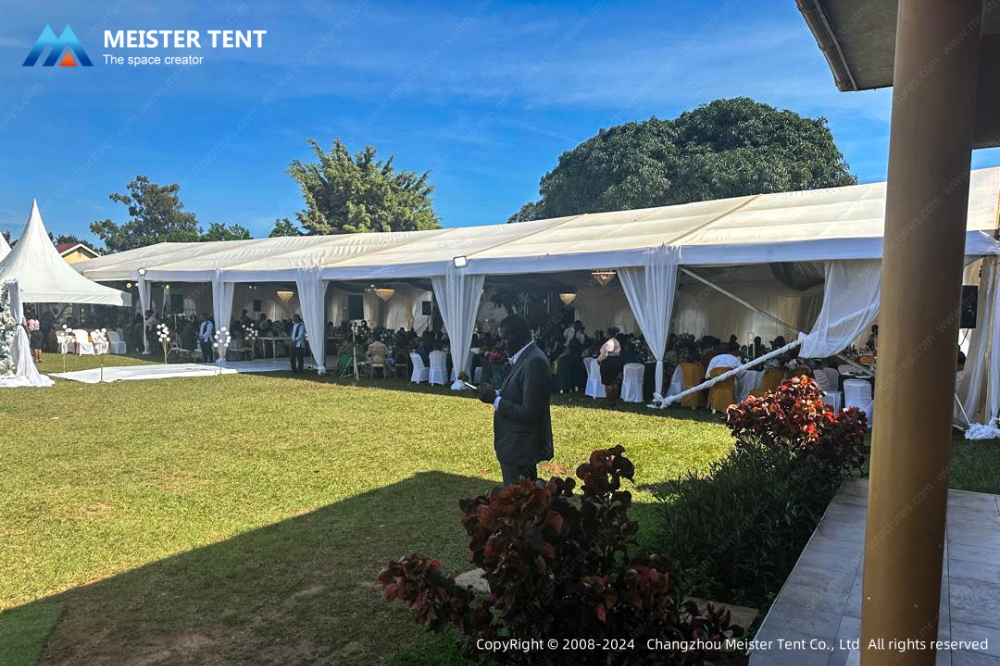
Wedding Pagoda Tent
The wedding pagoda tent, a distinctive shelter blending pagoda-inspired aesthetics with practical event functions. It features symmetrical tiered roofs and adjustable side panels, offering flexible layouts, pleasant airflow and good acoustic effects. The structure supports diverse lighting and floral decor, creates wonderful photographic backdrops and allows rich customization. Different from ordinary tents, it serves as both weather protection and a ceremonial focal point, building a romantic, immersive atmosphere and turning the wedding day into a lasting memory for couples and guests.
The wedding pagoda tent stands as a striking fusion of timeless architectural inspiration and modern event functionality, drawing its core aesthetic from the graceful, layered silhouettes of traditional pagoda structures that have long symbolized celebration, tranquility and sacred gathering across many cultural traditions. Unlike common rectangular marquees or simple pop-up canopies that blend quietly into event backdrops, this form of tent immediately captures attention with its tiered roof lines, gently upturned eaves and balanced symmetrical shape, creating a focal point the moment guests arrive at a wedding venue. Every curve and proportion is carefully considered to echo the delicate elegance of classic pagoda design, while the underlying framework is engineered to serve the practical demands of an outdoor wedding, bridging the gap between decorative art and reliable shelter. Couples who select this style of shelter often seek more than just a space to keep their guests shaded or dry; they aim to build an immersive atmosphere that feels intentional and memorable, one that carries subtle romantic meaning without relying on overly ornate or cluttered decor. The silhouette works beautifully across different natural settings, from sprawling green meadows dotted with wildflowers to quiet lakeside shorelines where soft reflections stretch across still water, and even within manicured garden spaces lined with mature trees and blooming shrubs. It does not overpower the surrounding landscape, but instead settles into it like a carefully placed sculpture, framing views of the sky and scenery through open sides and elevated roof sections. Even in locations with relatively plain surroundings, the distinct shape of the pagoda tent introduces a sense of ceremony, marking the space as something separate from everyday life and signaling to all attendees that they have entered a space dedicated to love and commitment. Many couples appreciate that this design carries gentle connotations of good fortune, harmony and lasting union, quiet symbolic layers that enrich the emotional tone of the day without needing to be explicitly explained to every guest. While rooted in a historic design language, the tent itself is built using contemporary lightweight materials that prioritize flexibility, so it can be configured to fit small intimate ceremonies as easily as larger receptions, adapting to the unique vision of each pair preparing to exchange vows.
The structural composition of the wedding pagoda tent balances visual lightness with dependable stability, a careful balance that defines its suitability for wedding celebrations where comfort and safety remain constant priorities. The supporting frame forms the invisible backbone of the entire design, shaped to follow the angled geometry of the tiered roof rather than relying on bulky vertical supports that interrupt sightlines across the interior space. Each joint and connection point is precision formed to distribute weight evenly across the whole structure, so outward pressure from wind or the downward weight of roof coverings transfers smoothly through the frame instead of concentrating stress on isolated points. This distribution means the tent maintains its clean, defined shape even under variable outdoor conditions, avoiding the sagging or warping that can detract from the polished look of wedding decor. The fabric used for the roof and side panels is chosen for a combination of soft visual quality and durable performance, often possessing a subtle matte finish that diffuses natural sunlight rather than creating harsh glares across the ceremony space. Light filters through the material in a gentle, warm wash during daytime events, casting soft shadows along the floor and creating a naturally romantic glow that complements floral arrangements, candle displays and delicate table settings. At the same time, the fabric provides protection from light rain and intense sun exposure, shielding guests from sudden shifts in weather that so often complicate outdoor wedding planning. Side panels can be added or removed with relative ease, allowing the wedding party to open the space wide to embrace fresh air and surrounding views or close sections to create a more enclosed, intimate environment as temperatures drop or precipitation begins. This adjustability makes the pagoda tent remarkably versatile through the different phases of a wedding day; it can house the vow exchange with fully open sides, then be partially enclosed later for the dinner service, and opened again for evening dancing once the sun sets. Every component is designed for straightforward assembly and disassembly, with modular pieces that slot together without requiring specialized heavy machinery, reducing the disruption to the venue landscape and shortening the setup window before the event begins.
Lighting design within and around a wedding pagoda tent unlocks extraordinary opportunities to shift the mood of the space as the wedding day transitions from bright afternoon into soft twilight and deep night, leveraging the unique tiered roof shape to guide and reflect light in ways that standard tents cannot replicate. The elevated central peak and cascading roof layers create natural pathways for suspended lighting features, allowing decorators to drape strands of fine lights along the ridges of each tier, tracing the elegant outline of the pagoda from the inside. These lights follow the slope of the eaves, drawing the eye upward toward the highest point of the structure and emphasizing the architectural beauty that makes the tent distinctive. Low-warm illumination works best in this environment, as cool, stark lighting can clash with the soft romantic atmosphere most couples hope to cultivate, washing out the warm tones of flowers, linens and skin. Fairy lights, lanterns and softly shaded pendants hang at varying heights within the interior, creating layers of light rather than one flat, uniform brightness across the floor. Small candle lanterns can also line the base of the supporting posts or rest along low ledges, casting gentle pools of light that soften the edges of the frame and blur the boundary between the tent interior and the darkening landscape outside. For couples who want subtle drama without overwhelming the design, uplights positioned on the ground outside the tent can cast a gentle wash of color upward along the exterior fabric, highlighting the curved silhouette against the evening sky. This external lighting turns the tent itself into a luminous landmark after dark, visible to guests arriving from a distance and creating breathtaking moments for evening photographs. Careful planning prevents overcrowding the ceiling with fixtures, because the natural grace of the pagoda roof should remain the central feature; lighting serves to enhance it, not cover it. Even simple lighting choices yield powerful results here, as the layered geometry amplifies the subtle interplay between light and shadow, turning ordinary evening moments into something dreamlike and cinematic for the couple and their loved ones.
Decor integration for the wedding pagoda tent works in harmony with its inherent shape, rather than fighting against its lines, and thoughtful styling choices can lean into its symmetry and graceful curves to produce cohesive, breathtaking wedding scenes. Floral arrangements are among the most popular decorative additions, and they find perfect placement along the edges of the eaves, around the base of vertical supports, and as hanging installations suspended between the roof tiers. Climbing greenery and loose, flowing blooms follow the upward sweep of the pagoda’s lines, softening the hard edges of the frame and blending man-made structure with organic natural beauty. Many designers choose asymmetrical floral accents to offset the strict symmetry of the tent, adding gentle movement so the space feels romantic and lived-in instead of rigid and staged. Fabric draping is another powerful styling tool, with sheer lightweight textiles swagged between support points to create billowing clouds of soft color that drift alongside the roof contours. Sheer ivory, blush, sage or champagne fabrics catch the breeze and shift gently throughout the ceremony, adding quiet motion to the space while diffusing sunlight even further. Furniture layout also responds to the tent’s footprint and shape; ceremony seating can fan out from a central altar positioned beneath the highest peak of the pagoda, aligning every guest’s line of sight toward the couple as they exchange vows. For reception use, dining tables follow curved or semi-circular arrangements that mirror the rounded flow of the eaves, avoiding sharp blocky layouts that feel mismatched with the tent’s organic form. Decor elements such as woven rugs, wooden accent pieces, ceramic vessels and dried botanical accents fit naturally within this aesthetic, supporting themes ranging from bohemian garden romance to refined classic elegance. It is equally possible to keep styling minimal, using only a handful of carefully selected pieces to let the pagoda’s unique architecture carry most of the visual weight, an approach ideal for couples drawn to quiet, understated sophistication. The tent’s neutral base allows for seamless alignment with nearly any wedding color palette and theme, making it adaptable whether the vision leans toward lush tropical tones, muted earthy neutrals or soft pastel romance.
The sensory experience inside a wedding pagoda tent extends far beyond what the eye can see, shaping how guests feel as they gather, converse, celebrate and witness the central moments of the wedding day. The tiered roof creates a distinct acoustic environment, different from low flat canopies that often trap sound tightly or open-air spaces where voices drift away on the wind. The angled roof surfaces soften sharp echoes, allowing speeches, live music and the couple’s vows to carry clearly without creating harsh, overwhelming reverberation. Live acoustic performances, string instruments and gentle vocal music sound particularly warm within this space, wrapping around guests without requiring heavy sound equipment to fill the room. Airflow also moves uniquely through the pagoda design; the raised central peak creates a natural chimney effect, letting warm air rise and escape through the upper sections while cooler air circulates in through the open side walls. This passive ventilation helps maintain a comfortable temperature during warm weather, reducing the stuffiness that can settle inside fully enclosed tent structures. When side panels are partially drawn, soft breezes drift through the space, carrying the scent of nearby flowers, fresh grass and outdoor greenery inward to mingle with the aroma of wedding florals and fine food. The partial barrier from the surrounding world creates a gentle sense of enclosure, offering privacy for intimate conversations and emotional moments while still keeping guests connected to the outdoor setting. Guests can hear rustling leaves, birdsong and distant water sounds if the venue sits beside a lake or stream, grounding the celebration in the natural world rather than sealing it away completely. The texture of the fabric, the smooth finish of the frame, the soft quality of light and the flow of air combine to create a calm, enveloping feeling. Many guests describe the sensation of being inside a pagoda wedding tent as peaceful and uplifting, a feeling that helps everyone settle into the slow, tender rhythm of the wedding, away from hurried schedules and daily distractions. This carefully layered sensory environment supports emotional moments, from quiet tears during vows to joyful laughter during toasts, holding those precious feelings within its gentle boundaries.
Photographic potential is one of the most beloved qualities of the wedding pagoda tent, offering photographers a rich variety of compositions, backdrops and lighting scenarios to document every meaningful part of the wedding day. The symmetrical tiered silhouette creates an instantly recognizable background for portraits of the newlyweds, whether captured from the outside with the whole structure framed against sky and landscape, or from within looking out through open side walls toward the horizon. During golden hour, low sunlight slants under the upturned eaves and filters through the roof fabric, creating soft streaks and halos of light around the couple that translate into ethereal, romantic images. Photographers can use the lines of the roof tiers to create leading lines in shots, guiding the viewer’s gaze straight to the couple at the center of the frame. Group photos of family and wedding parties also benefit greatly from the balanced geometry of the space; guests can arrange naturally beneath the sweeping roof without awkward gaps or distracting background clutter. Candid moments take on extra warmth within this setting, too. Guests hugging, laughing, wiping away tears or sharing quiet conversations are surrounded by soft, textured surroundings that do not compete with human emotion. Evening shots gain a magical quality once interior and exterior lighting comes alive; the illuminated pagoda stands out vividly against dark trees and night sky, producing dramatic wide-angle shots that become standout keepsakes from the wedding collection. Detail photography flourishes as well, with floral arrangements, wedding rings, invitation suites and place settings resting against the clean, elegant backdrop of tent fabric and wooden accents. Reflections in nearby water can duplicate the shape of the pagoda, offering creative mirrored compositions that feel artistic and unique. Even in changing weather conditions, the tent delivers consistent photographic value; on cloudy days, the diffused light inside is soft and even, eliminating harsh shadows on faces, while light rain adds a dreamy, atmospheric quality to exterior shots. Couples often find that images featuring the pagoda tent become some of their most cherished mementos, because the structure itself acts as a visual marker of the exact space where they began their married life together.
Customization options for the wedding pagoda tent stretch across functional and aesthetic choices, allowing each arrangement to reflect the individual personalities and preferences of the couple without altering the core architectural identity that defines the style. The footprint of the tent can be adjusted to suit guest count and venue layout, with compact versions suited for elopements and tiny intimate gatherings, and larger scaled builds able to accommodate seated dinners, dance floors and service zones for bigger celebrations. The fabric of the roof and side panels can be selected from a range of finishes, including translucent material that amplifies natural light or heavier opaque textiles that deliver greater shade and privacy. While the classic soft neutral tones remain the most popular, alternative fabric hues can be chosen to match a wedding palette, always selected with care to preserve the elegant, ceremonial feel of the pagoda form. Accessory elements add further layers of personalization. Integrated floor systems can be laid down to create a flat, stable surface over uneven ground such as grass, sand or packed earth, elevating comfort for guests wearing formal footwear and protecting the base of the tent fabric from damp soil. Built-in cable channels can be incorporated to neatly route wiring for lighting and audio equipment, keeping cords hidden from view and preserving the uncluttered visual lines of the design. Additional small annexes or linked smaller pagoda sections can connect to the main tent to create separate zones: a private area for the couple to retreat between ceremony and reception, a space for gift and seating card displays, or a quiet lounge area for older guests who wish to rest away from the main activity. These connected sections maintain the same matching architectural style, so the whole arrangement reads as one cohesive installation rather than a collection of mismatched add-ons. Even the configuration of entry points can be tailored, with wide arched openings that welcome guests into the central ceremony space or narrower side entrances reserved for the wedding party’s grand arrival. Every customization choice is guided by the couple’s priorities, whether they prioritize openness, privacy, extra space, accessibility or a very specific visual mood, all while keeping the distinctive pagoda aesthetic at the heart of the design.
Logistical planning around a wedding pagoda tent centers on understanding the unique needs of the structure and how it interacts with the chosen venue, ensuring that the celebration unfolds smoothly from setup through to final breakdown. The first consideration is site selection, which requires a level area of sufficient size to contain the tent footprint plus surrounding space for access pathways, catering vehicles and guest movement. Overhead obstacles such as low tree branches and utility lines must be assessed early, because the tiered roof rises higher than standard marquee designs and requires unobstructed vertical clearance to be installed correctly. Ground anchoring follows the specifications suited to the surface type; grassy, earthy sites use ground stakes distributed strategically around the perimeter, while harder paved surfaces rely on weighted anchors that secure the frame without damaging pavement. The placement of the tent relative to sun path is another key planning step. Placing the main opening away from harsh midday sun prevents direct glare into the faces of the couple and guests during the ceremony, while orienting the structure to face toward sunset can create breathtaking golden hour views through the open eaves. Catering and service workflows are mapped around the tent layout too. Serving stations, bar areas and food preparation zones can be positioned either inside designated sections or adjacent to the tent, with covered walkways that maintain the aesthetic flow and keep service staff protected from weather as they move between spaces. Accessibility is woven into this planning process, ensuring clear, wide pathways lead from parking areas and entry gates to the tent, with gentle gradients and unobstructed routes for guests with mobility needs. Timing for installation accounts for the detailed nature of the pagoda assembly, as the layered roof components require careful alignment to preserve the symmetrical shape and structural integrity. This means setup is scheduled with enough buffer time before guests arrive, so any last-minute styling adjustments can be completed calmly. Breakdown is similarly methodical, with components packed in reverse order of assembly to avoid scratching or tearing fabric and frame pieces, and all materials are removed from the venue to leave the landscape as it was found. Careful logistical planning removes uncertainty, letting the couple focus fully on their celebration rather than worrying about the practical performance of the space they have chosen.
Comparisons between the wedding pagoda tent and other popular wedding shelter options highlight its distinct character and the specific reasons couples gravitate toward it when designing their day. Basic pop-up canopies offer low-cost, simple sun protection, but they lack architectural presence and are limited in size and decorative potential, feeling temporary and utilitarian beside the ceremonial weight of a wedding. Traditional pole marquees feature sweeping single-slope or curved roofs that hold plenty of interior space, yet their shape is familiar and understated, rarely standing out as a core design feature of the event. Clear frame tents offer unobstructed views through transparent walls and roofs, which is stunning in many settings, but they can create a greenhouse effect under bright sun and often carry a sleek, modern feel that does not align with couples seeking soft, romantic, timeless styling. The pagoda tent occupies its own niche because it functions both as reliable event shelter and as a major decorative statement piece. Its tiered roof is instantly memorable, and it carries a softer, more ceremonial spirit than angular modern tent structures. Unlike many alternatives that push decoration onto separate backdrops and arches, the pagoda itself is the backdrop. It is capable of supporting grand, elaborate styling as well as minimal, quiet arrangements, adapting to wildly different aesthetic directions. Where a standard tent becomes a blank canvas to be covered with decor, the pagoda tent is a canvas that already holds inherent beauty, needing only thoughtful touches to complete the vision. It also strikes a unique balance between openness and shelter. Many decorative wedding arches are purely ceremonial, offering no protection from weather, while fully enclosed buildings feel fixed and permanent. The pagoda tent sits between those two extremes: it delivers the sacred, framed feeling of a ceremony arch while providing the shelter and usable interior space of a tent. This blend of ceremony and practicality makes it especially appealing for couples who want the emotional gravity of a dedicated wedding altar space paired with the flexibility of an outdoor venue, without committing to a fixed indoor hall. Each alternative tent style has its strengths, but none replicate the same blend of graceful silhouette, symbolic resonance, lighting potential and adaptable atmosphere that defines the pagoda tent.
The lasting legacy of a wedding pagoda tent lies in its ability to turn a fleeting single day of celebration into a vivid, cherished memory anchored by a space that felt uniquely made for the couple and their love story. Long after the final dance ends, the cake is shared and guests return home, the images and recollections of the day keep returning to the quiet magic of that tiered roof rising above the gathering. Many couples reflect that choosing this tent was one of the most meaningful decisions they made for their wedding, because it shaped the mood of every moment, from the first look beneath its eaves to the final send-off as twilight settled over the landscape. It did not merely hold the event; it framed the promises spoken, the tears and laughter shared, and the connections renewed between family and friends. The design’s ties to ideas of harmony and good fortune add a gentle undercurrent of hope for the marriage beginning that day, a quiet blessing woven into the very shape of the space. Even for guests who attend many weddings, the pagoda tent stands out as something different from the usual event spaces, leaving them with a strong impression of care and intention behind every choice made for the celebration. It demonstrates that wedding planning does not have to follow predictable formulas, and that shelter can be so much more than a barrier against sun and rain. It can be a setting for storytelling, a canvas for beauty, a vessel for emotion and a landmark marking the start of a lifelong partnership. As a design, it continues to resonate because it honors the desire for both romance and practicality, for connection with nature and for a sense of sacred ceremony. Each time a new couple selects this tent for their wedding, they carry forward this tradition of using thoughtful, beautiful temporary architecture to elevate one of life’s most tender milestones, crafting a space where love feels visible, tangible and wrapped in quiet, timeless grace.