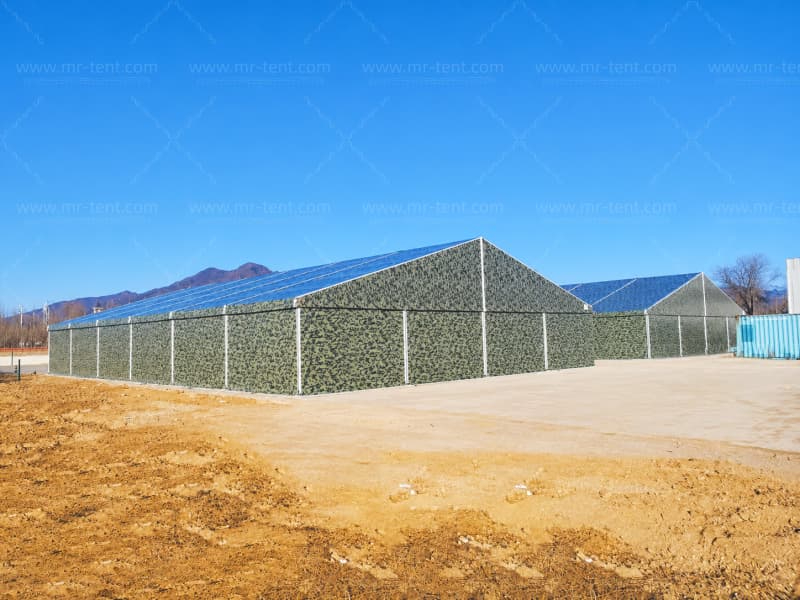
Warehouse Tent Suppliers
Warehouse tent suppliers offer flexible fabric shelter alternatives to fixed warehouses, providing end-to-end services including consultation, tailored design, material selection, customisation, installation support and logistics coordination. They manage project timelines, deliver maintenance guidance and prioritise safety throughout every stage. These modular tents can be modified, extended or relocated to match changing business demands. With professional ongoing support, suppliers help businesses gain fast, adaptable covered storage to ease inventory pressure without the limitations of permanent buildings.
The demand for flexible, scalable covered storage solutions has steadily grown across many industrial sectors, and warehouse tents have emerged as a practical alternative to traditional brick-and-mortar warehouse structures. Warehouse tent suppliers serve as the core link between end users and these temporary or semi-permanent shelter systems, working to understand the unique operational pressures that businesses face when they need extra space quickly. Unlike fixed building contractors who follow long construction timelines, these suppliers focus on modular designs that can adapt to changing site conditions, operational cycles, and inventory fluctuations. Many businesses turn to this type of shelter when seasonal stock surges, short-term project storage needs, or expansion delays leave them without enough enclosed space to protect goods from weather exposure. Suppliers spend considerable time learning about the everyday workflows inside different facilities, including loading and unloading routines, vehicle access patterns, and the types of materials that will be stored within the tent structure. This understanding shapes the recommendations they provide, from the overall footprint of the tent to the placement of entry points and support framing. A reliable supplier does not simply offer a one-size-fits-all product; instead, they evaluate each project context carefully to match the right configuration to the intended use. They also account for site surface variations, whether the tent will sit on packed gravel, paved surfaces, or compacted earth, and advise on suitable anchoring approaches that maintain stability without causing unnecessary disruption to the ground. Communication at this early stage is critical, as misalignment between what a business expects and what the tent system can deliver can lead to operational friction once installation begins. Buyers often underestimate how much detail goes into preparing a suitable layout, and skilled suppliers guide them through visualizing how the tent will integrate with existing buildings, yard traffic, and utility access points. This consultative approach separates thoughtful suppliers from vendors who only focus on moving product, and it helps create outcomes that support smooth, uninterrupted operations for months or even years after the tent is erected.
Material selection forms one of the most important areas of expertise held by warehouse tent suppliers, as the long-term performance of the shelter hinges on the quality and compatibility of every component used in its construction. The fabric membranes that form the outer shell are engineered to resist common environmental stressors, including prolonged sun exposure, moisture buildup, and wind-driven debris, and suppliers maintain deep knowledge of how different fabric treatments influence durability and maintenance requirements. Some fabric options are designed to reduce heat buildup inside the space, which can be valuable when temperature-sensitive items are stored, while others prioritize high tear resistance for locations where airborne debris is a regular concern. The metal framing systems that support the fabric are selected based on load expectations and intended service life, with attention given to surface treatments that slow surface degradation from consistent moisture contact. Suppliers weigh trade-offs between different framing profiles, balancing structural strength with the ease of handling and assembly for installation crews. They also consider how individual parts will interact over time, ensuring that fasteners, connection brackets, and tensioning hardware work together to distribute forces evenly across the entire structure. When discussing material options with buyers, suppliers explain routine care requirements clearly, outlining simple practices that can extend the usable life of the tent and prevent minor issues from developing into larger problems. They also clarify the practical limits of each material choice, helping customers avoid unrealistic expectations about what a fabric shelter can withstand. Many buyers assume all warehouse tent fabrics perform similarly, but experienced suppliers can highlight subtle differences in flexibility, weight, and translucency that directly impact lighting inside the storage area and the comfort of staff working within it. By sharing this material knowledge openly, suppliers empower customers to make choices aligned with their budget priorities and long-term usage plans, rather than selecting materials based solely on initial appearance.
Customization capability is a defining feature that reputable warehouse tent suppliers bring to every project, allowing the basic tent framework to be adjusted so it fits specific operational needs instead of forcing businesses to adjust their workflows around a standard shelter. Customization can take many forms, starting with adjustments to width, length, and internal height to accommodate tall racking, forklift movement, stacked inventory, or oversized equipment that must be housed under cover. Suppliers can integrate different access configurations, including wide roll-up openings for pallet trucks and freight vehicles, smaller personnel doors, and covered transition zones that connect the tent directly to existing warehouse buildings. These connecting passages help maintain a continuous protected workflow, reducing the time workers spend moving goods between covered areas and limiting exposure of inventory to outdoor conditions. Internal add-ons can also be incorporated during the design phase, such as fabric divider walls that split a single large tent bay into separate zones for segregated stock, maintenance work, or quality inspection activities. Some customers request reinforced sections around high-traffic openings or areas where equipment regularly contacts the tent structure, and suppliers can add extra layers of fabric or protective trim to these vulnerable spots. Ventilation features are another common custom element, with passive vent placements planned to reduce condensation buildup that can harm packaged goods and create slippery surfaces for staff. Suppliers coordinate these custom features so they do not compromise the overall structural balance of the tent, carefully adjusting tensioning points and framing supports whenever modifications are introduced. They also provide guidance on how custom features affect installation sequencing, helping installation teams prepare the right parts and tools ahead of time. This level of tailored planning means the finished warehouse tent feels like a purpose-built extension of the customer’s facility, rather than a temporary add-on that creates workflow bottlenecks.
Installation support is a core service offered by warehouse tent suppliers, and the quality of this support directly determines how quickly a new shelter can become operational and how safely it is assembled on site. Suppliers structure installation support in flexible ways to match the resources available to each buyer; some customers prefer to use trained crews arranged by the supplier, while others have internal teams capable of completing assembly if provided with clear guidance and documentation. When supplier-managed installation is arranged, teams arrive with a full understanding of component layout, anchoring procedures, and fabric tensioning techniques, following a structured sequence that prioritizes stability at every stage. Before assembly begins, the supplier’s representatives will confirm the site remains consistent with earlier planning, checking for changes to ground conditions, overhead obstructions, or nearby hazards that could impact the build process. They also coordinate with the customer’s on-site managers to schedule work around active operations, minimizing disruption to shipping, receiving, and inventory handling. For customers choosing self-installation, suppliers provide detailed assembly guides, labeled component sets, and remote support channels to answer questions as crews work through each step. They emphasize the importance of proper fabric tensioning, because uneven tension can create sagging areas where water collects or place unexpected stress on frame joints. Suppliers also cover safety considerations during installation, pointing out load limits for temporary supports and safe practices for handling large fabric panels, which can be unwieldy in windy conditions. After the main structure is raised, the installation phase includes checking all connections, adjusting tension across the membrane, and testing access openings to ensure smooth operation. Once completed, a walkthrough is conducted to review the finished tent with the customer, pointing out key maintenance points and explaining simple visual checks that can be performed regularly. Strong installation support reduces the risk of avoidable mistakes, ensures the tent performs as designed, and builds confidence for customers who may be working with this type of shelter for the first time.
Project timeline management is an area where skilled warehouse tent suppliers deliver substantial value, as many businesses seek covered storage solutions under tight deadlines and cannot afford lengthy delays between placing an inquiry and having a usable space. Suppliers map out clear sequences for each project phase, starting with consultation and design confirmation, moving on to component preparation, logistics coordination, site readiness, installation, and final handover. They account for variables that can slow progress, such as weather windows for on-site assembly, availability of transport for large frame sections and fabric rolls, and lead times for any custom fabricated parts that are not part of standard inventory. Good suppliers communicate openly about expected timelines from the very beginning, setting realistic expectations rather than promising overly fast delivery that cannot be sustained. They also build in small buffers for common interruptions, while keeping the customer updated promptly if any part of the schedule shifts. For urgent projects, suppliers can prioritize standard configurations that draw from stocked component ranges, cutting down the time needed before materials ship to the site. Even with these expedited orders, they do not skip critical design checks, rushing only the production and logistics flow rather than compromising structural planning. Customers often turn to these suppliers during peak trading cycles, after unexpected inventory growth, or while permanent building renovations are underway, so predictable scheduling is often just as important as the tent itself. Suppliers work alongside customers to align site preparation tasks with material arrival dates, advising on ground preparation, clearance zones, and utility prep work that the customer can complete in advance to keep the project moving. This synchronized planning prevents situations where crews arrive ready to install only to find the site is not yet prepared. By managing timelines thoughtfully, suppliers help businesses solve space shortages before those shortages create bottlenecks in shipping, receiving, or inventory management.
Logistics and delivery coordination represent another key responsibility handled by warehouse tent suppliers, because the components of these structures are bulky and require careful handling during transport to avoid damage before they reach the site. Framing sections, fabric rolls, hardware packs, and anchoring materials are grouped and packaged in ways that make loading, transport, unloading, and sorting as straightforward as possible. Suppliers consider the access routes to the final installation location, noting narrow gateways, weight restrictions on access roads, and turning space for delivery vehicles when selecting packaging sizes and shipment formats. They organize shipments so parts arrive in logical groups that match the installation sequence, reducing the work required for on-site teams to sort through materials before starting assembly. Clear labeling systems are used across all packages, with identifiers that correspond to assembly documentation, so crew members can quickly locate the sections they need at each stage. Suppliers also advise customers on unloading resources, outlining what equipment or personnel will be needed to safely receive shipments and store components temporarily if installation cannot begin immediately upon arrival. Fabric panels are packaged to shield them from sharp objects, dirt, and prolonged exposure to sunlight while in transit, since scratches or prolonged UV exposure before installation can shorten service life. Metal framing is protected against scuffs and abrasion that could wear away surface treatments. When multiple shipments are required for a large tent system, suppliers track each consignment and share delivery updates, helping customers arrange their own on-site staffing accordingly. Careful logistics planning lowers the chance of missing parts, damaged components, or confusion on site, all of which would otherwise delay installation and push back the date when the new storage space can be used. The behind-the-scenes work of packaging, routing, and tracking shipments is easy to overlook, but it is an essential part of the full service that suppliers provide to support successful projects.
Maintenance guidance and ongoing support set dependable warehouse tent suppliers apart from suppliers who treat handover as the end of their involvement with a customer. Every fabric and frame shelter requires periodic attention to retain its performance, and suppliers provide practical guidance that helps customers establish simple routine inspection schedules. These routine checks focus on common wear points, including fabric around door openings, tensioning straps, connection bolts, anchoring points, and areas where fabric rubs against framing. Suppliers teach customers to spot early warning signs such as loose fasteners, fraying fabric edges, or sagging sections that signal tension adjustment is needed. They also share safe cleaning approaches suitable for the specific fabric type, explaining which cleaning methods are gentle enough to preserve surface treatments and which should be avoided to prevent premature degradation. When repairs become necessary over time, suppliers can supply matching replacement components, from small hardware items to full fabric panels, ensuring replacements fit correctly and maintain consistency with the original structure. They offer guidance for temporary fixes that can stabilize an issue until a proper replacement can be arranged, which is especially useful for sites located far from quick service support. Suppliers also advise customers on seasonal preparations, such as visual reviews before periods of heavy wind or rain, and explain steps to reduce load buildup on the tent surface where applicable. This ongoing support does not require constant on-site visits; much of it can happen through clear guidance documents and direct communication when questions arise. By helping customers care for their warehouse tents properly, suppliers extend the usable lifespan of the shelter and protect the customer’s investment. Businesses that follow this guidance often find their tent remains functional and reliable for many years, continuing to deliver valuable covered storage long after the initial installation.
Safety awareness is woven into every stage of work carried out by warehouse tent suppliers, from the initial design discussion through installation, handover, and ongoing maintenance advice. Suppliers understand that the tent will be occupied by staff, machinery, and valuable inventory, so all recommendations consider the safety of people working inside and around the structure. During design, they plan clear internal pathways that support safe forklift operation and pedestrian movement, avoiding cramped layouts that increase collision risks. Access openings are sized and positioned to support controlled vehicle entry and exit, and suppliers highlight the importance of keeping these zones clear of stacked goods. When discussing anchoring systems, they explain how proper securing prevents unexpected shifting or lifting of the structure under variable weather conditions, and they warn against altering anchor setups without guidance. They also address fire safety considerations relevant to covered fabric spaces, advising customers on appropriate placement of safety equipment and clear exit routes within the tent interior. Suppliers stress that the tent is part of the overall site safety plan, and its use must align with the customer’s internal operational safety rules. During installation, safety protocols govern how crews work at height, handle heavy framing parts, and manage large fabric sheets in windy conditions. After handover, safety reminders are included in maintenance guidance, such as warnings against climbing on the tent surface or adding unapproved loads to the frame or fabric. Suppliers also caution customers against making unplanned structural modifications, such as attaching heavy equipment directly to the tent frame, because these additions can introduce loads the system was not engineered to bear. This consistent focus on safety protects workers, reduces the risk of inventory damage, and helps customers avoid unsafe practices that could compromise the integrity of the shelter. Suppliers do not take a passive role on safety; they actively share knowledge so safety remains a priority for as long as the warehouse tent is in use.
Adaptability for changing operational needs is one of the strongest advantages of warehouse tent solutions, and suppliers are well positioned to help customers adjust their shelters as business requirements evolve over time. A tent that serves as seasonal overflow storage in one year may later be repurposed for raw material staging, workshop space, or covered loading operations. Suppliers support these changes by explaining which parts of the structure can be modified or reconfigured, such as adding new door openings, installing internal divider panels, or extending the length of the tent when extra square footage becomes necessary. In some cases, tent systems can be partially or fully disassembled, relocated to a different spot on the same property, or moved to an entirely new site to support shifting operational footprints. Suppliers provide guidance on disassembly best practices to minimize wear on components during takedown, and they advise on proper storage of fabric and frame parts when the tent will not be erected for an extended period. They also help customers assess whether an existing tent can support a new intended use, reviewing factors like internal height, access layout, anchoring configuration, and ventilation to determine what adjustments are needed. This flexibility appeals to businesses that anticipate change but do not want to commit to permanent building construction that locks them into a fixed layout. Suppliers often work with customers across multiple phases, supporting the initial installation and then returning to consult on expansions, relocations, or reconfigurations months or years later. This long-term partnership approach means the tent can grow and change alongside the business, continuing to deliver value through different market cycles and operational priorities. Instead of viewing the tent as a one-time purchase, customers can treat it as a flexible asset that can be reshaped whenever storage or covered workspace needs shift.
The future of the warehouse tent supplier sector will continue to be shaped by evolving operational expectations from industrial buyers, who increasingly value flexible space solutions that can deploy quickly and adjust alongside shifting supply patterns. Suppliers keep learning from each project they complete, refining their design approaches, material knowledge, and service workflows to address the diverse challenges their customers face. They are constantly improving how they translate complex site requirements into practical tent layouts, making the consultation process more intuitive and reducing uncertainty for buyers who may have little prior experience with fabric shelter systems. Communication channels are also evolving, allowing suppliers to share visual layouts, component details, and guidance materials in formats that make it easier for customers and their internal teams to review plans before work begins. As more businesses recognize the benefits of temporary and semi-permanent covered space, suppliers will continue to expand their ability to handle projects of all scales, from small single-bay storage shelters up to large interconnected tent complexes supporting extensive logistics operations. Even as demand grows, the core of the supplier’s role stays consistent: listening carefully to operational needs, applying specialized knowledge of tent structures, materials, and site dynamics, and delivering a supported solution that creates reliable covered space. The best suppliers build trust by setting clear expectations, delivering on schedules, supporting safe installation, and standing behind their products with accessible guidance for maintenance and adjustments. In this way, warehouse tent suppliers do not merely sell shelter systems; they provide a flexible space strategy that helps businesses navigate uncertainty, respond rapidly to storage pressures, and keep goods and workflows protected in environments where permanent construction is too slow, too inflexible, or not suited to the task at hand. This enduring value ensures that warehouse tent suppliers will remain a vital resource for industrial operations seeking adaptable, deployable covered storage for many years ahead.