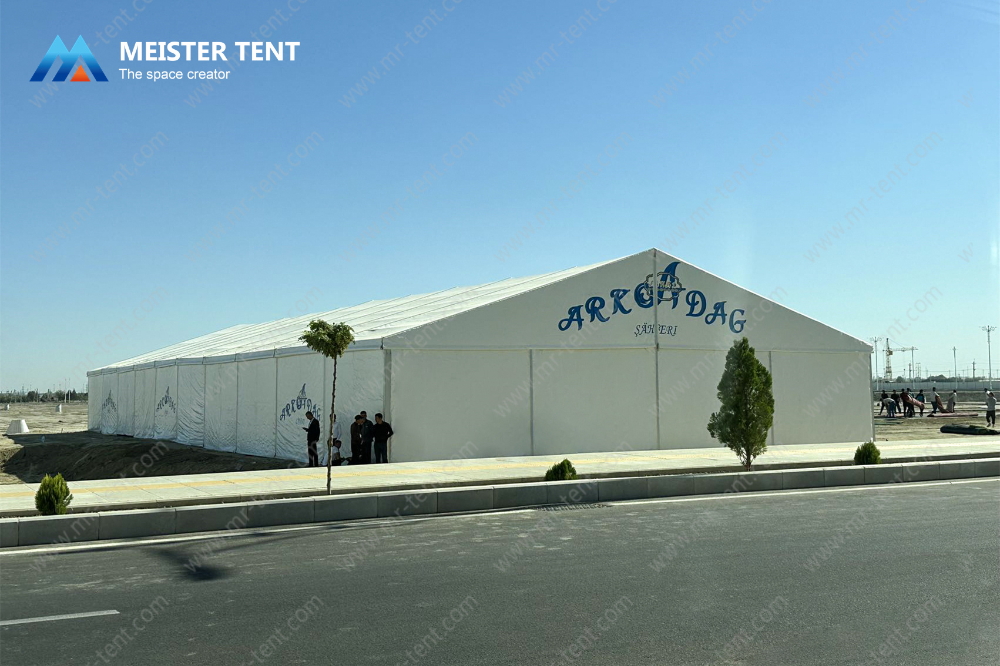
Beer Festival Tent
The beer festival tent stands as the vibrant heart of every seasonal beer celebration, serving as a welcoming, all-weather hub that unites attendees of all ages and backgrounds in a joyful communal experience. Far more than a simple shelter, this sprawling, thoughtfully designed space blends practical functionality with festive ambiance, creating a dedicated zone for tasting craft brews, sharing laughter, enjoying live entertainment, and immersing oneself in local cultural traditions. It is crafted to accommodate large crowds comfortably throughout the festival’s duration, balancing open gathering spaces with cozy nooks for intimate conversations. Every detail, from its spacious layout and breathable structure to its warm decorative touches and integrated service areas, is tailored to elevate the festival experience, turning casual visits into memorable moments of connection, relaxation, and festive delight for every guest who steps inside.
Stepping into a beer festival tent, visitors are immediately enveloped in a lively yet relaxed atmosphere that defines the spirit of seasonal celebration. The expansive fabric structure stretches wide across the festival grounds, with high, arched ceilings that eliminate the cramped feeling common in smaller event shelters, allowing natural air to circulate freely even during busy, crowded hours. Soft, ambient lighting blends with warm string lights draped along the internal frames, casting a gentle glow that complements the natural daylight filtering through the tent’s translucent panels. The overall aesthetic is casual and inviting, free of overly formal decor, focusing instead on rustic, festive accents that align with the laid-back vibe of beer culture. Rows of sturdy communal tables and bench seating line the tent’s interior, providing ample space for groups of friends, families, and strangers to gather, sit, and unwind. The open floor plan ensures smooth foot traffic flow, preventing congestion even during peak attendance, while subtle spatial divisions create distinct zones for tasting, dining, and entertainment without physical barriers that disrupt the unified festive mood.
The structural design of the beer festival tent is engineered to prioritize comfort, durability, and adaptability for outdoor festival environments. Built with high-quality, weather-resistant materials, the tent reliably shields guests from unexpected sun exposure, light rain, and gentle wind, ensuring the festival activities proceed uninterrupted regardless of mild weather fluctuations. Its reinforced frame structure delivers stable support throughout the event, with secure anchoring systems that keep the entire setup steady even during breezy conditions. The breathable fabric walls can be fully opened or partially closed based on temperature and weather needs, allowing organizers to adjust ventilation and maintain a pleasant internal climate at all times. Unlike permanent venues, the tent’s modular design offers exceptional flexibility, enabling it to be scaled to fit small community gatherings or large-scale public festivals effortlessly. Every structural element is carefully tested for safety and practicality, with wide, unobstructed entry and exit points to support smooth crowd movement and meet basic event safety needs, creating a secure and comfortable environment for all attendees to enjoy their time freely.
Inside the beer festival tent, the beverage service area is thoughtfully arranged to deliver a seamless and enjoyable tasting experience for every visitor. Multiple service stations are evenly distributed across the space, preventing long queues and ensuring guests can access a diverse selection of freshly poured brews with minimal waiting time. Each station features a curated range of beer styles, from light, crisp lagers and fruity wheat beers to rich, robust stouts and hoppy craft ales, catering to a wide spectrum of taste preferences for both casual drinkers and seasoned beer enthusiasts. Staff members working at the stations are well-trained and knowledgeable, able to offer gentle guidance on flavor profiles, ingredient characteristics, and ideal tasting pairings without overly technical jargon. The service area maintains a clean, organized appearance, with dedicated spaces for glassware handling and beverage preparation to uphold consistent quality. All serving processes follow hygienic operational standards, ensuring every pour is fresh, clean, and enjoyable. The layout also reserves ample space for guests to stand and sample drinks near the stations before settling at seating areas, creating a fluid and user-friendly tasting flow throughout the tent.
Complementing the diverse beer selection, the food offerings within the beer festival tent are carefully curated to perfectly pair with every style of brew, enhancing the overall sensory experience of the festival. The food stalls integrated within the tent space serve a range of classic savory and casual dishes that align perfectly with beer’s versatile flavor profile, including hearty grilled specialties, crispy fried snacks, soft baked breads, fresh seasonal salads, and savory cured meat platters. Each food item is designed to balance and elevate beer flavors—salty and savory bites cut through the bitterness of hoppy ales, while rich, hearty dishes complement the smooth depth of dark stouts. Local seasonal ingredients are often prioritized in food preparation, adding a regional cultural touch to the festival dining experience. The food service zones are positioned strategically away from main beverage tasting areas to avoid overcrowding, while remaining easily accessible for all guests. Quick-service options ensure minimal wait times, allowing visitors to spend less time queuing and more time savoring their food and drinks while socializing with others in the vibrant tent atmosphere.
Live entertainment forms the soul of the beer festival tent experience, transforming simple drinking and dining into a dynamic, immersive cultural celebration. A dedicated performance area is set up within the tent, hosting a rotating lineup of live musical acts throughout each day of the festival. The musical genres are carefully varied to suit diverse audience tastes, including upbeat folk melodies, lively acoustic sets, classic pop covers, and casual instrumental performances that maintain a joyful, energetic tone without overwhelming conversation. The stage is positioned to ensure clear sightlines from all seating areas, so every guest can enjoy the performances regardless of their location in the tent. Beyond live music, occasional casual interactive activities take place in the performance zone, including crowd sing-alongs, light festive games, and informal talent showcases that encourage audience participation. The volume of audio equipment is carefully calibrated to balance entertainment energy and conversational comfort, allowing guests to enjoy the live shows while still chatting and connecting with their companions freely.
The social atmosphere cultivated within the beer festival tent is one of its most distinctive and beloved features, fostering genuine connection and community spirit among attendees. Unlike isolated indoor venues, the tent’s open, inclusive design breaks down social barriers, encouraging interaction between friends, families, and even strangers sharing the same communal tables. The relaxed, unpretentious environment makes it easy for people of all ages and social backgrounds to unwind, let go of daily stress, and engage in lighthearted conversation. Groups of friends gather to toast and celebrate special moments, families enjoy casual weekend outings together, and solo visitors often strike up friendly chats with neighboring attendees over a shared love of craft beer. The consistent background of laughter, clinking glasses, and soft live music creates a warm, welcoming ambiance that makes every guest feel included. This collective sense of joy and camaraderie turns individual visits into shared collective memories, making the tent a space where community bonds are strengthened through simple, joyful celebration.
Lighting and decorative details within the beer festival tent work in harmony to craft a warm, immersive festive aesthetic that evolves beautifully from daytime to evening hours. During daylight, the tent’s translucent roofing filters harsh sunlight, casting soft, diffused natural light across the entire space, creating a bright, airy atmosphere that feels open and refreshing. As dusk falls, warm white string lights, subtle spotlights, and gentle ambient illuminations take over, transforming the tent into a cozy, enchanting retreat. Decorative elements are kept tasteful and festival-themed, with rustic wooden accents, fresh green foliage, simple festive banners, and subtle color-coordinated drapery that enhance the celebratory mood without appearing cluttered or overdone. All decor choices align with the casual, authentic spirit of beer festival culture, avoiding overly flashy or formal designs. The layered lighting setup also serves practical purposes, clearly illuminating seating areas, service stations, and walkways while maintaining a relaxed, intimate vibe perfect for evening socializing and slow, enjoyable tasting sessions.
Crowd management and spatial planning within the beer festival tent are meticulously organized to ensure a smooth, comfortable experience even during peak festival hours. Event organizers implement thoughtful spatial zoning that separates high-traffic service areas, performance zones, and quiet seating sections, preventing overlap and congestion. Wide central walkways and peripheral passageways allow for unobstructed pedestrian flow, making it easy for guests to move between tasting stations, food stalls, seating areas, and rest zones. Staff members are positioned at key points throughout the tent to offer directional guidance, assist with minor inquiries, and maintain orderly movement. The seating layout balances dense communal gathering areas for groups and scattered smaller seating spots for guests seeking a quieter experience, catering to different social preferences. Ample space is reserved near entry and exit points to prevent bottlenecks during arrival and peak departure times. This careful spatial management ensures the tent remains lively and energetic without feeling chaotic, preserving a pleasant experience for every attendee regardless of crowd size.
Hygiene and facility management are prioritized throughout the beer festival tent to uphold a clean, comfortable, and welcoming environment for all guests. Dedicated cleaning staff conduct regular, ongoing maintenance across the entire tent space, clearing away waste, sanitizing communal tables and seating surfaces, and tidying service zones throughout festival operating hours. Waste disposal stations are strategically placed at convenient intervals across the tent, making it easy for guests to dispose of trash responsibly and maintain overall cleanliness. Hand sanitizing stations are positioned near food and beverage service areas, encouraging good personal hygiene for all attendees. Restroom facilities are located in close proximity to the tent, with regular cleaning and restocking to ensure consistent usability. All service tools, glassware, and food preparation surfaces adhere to strict hygienic practices, preventing cross-contamination and ensuring safe consumption for every guest. These consistent, thorough management practices ensure the tent remains a fresh, clean, and pleasant space throughout the entire festival run.
Accessibility and inclusive design are core considerations in the layout and operation of the beer festival tent, ensuring the space can be enjoyed by all types of attendees. The entire tent floor features smooth, level surfacing that accommodates strollers, wheelchairs, and walking aids, eliminating trip hazards and accessibility barriers. Wide entryways and clear internal pathways allow easy navigation for guests with limited mobility, elderly attendees, and families with young children. Seating options are diverse, including standard bench seating, backrest-equipped chairs for enhanced comfort, and shaded rest spots for guests needing to pause and recharge. The tent’s relaxed, family-friendly atmosphere welcomes visitors of all age groups, with no exclusive restrictions limiting participation. Staff members are trained to offer assistance to guests with special needs, providing guidance and support to ensure everyone can fully engage with the festival experience. By prioritizing inclusive design, the tent becomes a truly public celebration space where every community member can participate, relax, and enjoy the festive atmosphere equally.
Beyond its immediate festival functions, the beer festival tent carries unique cultural and communal value that enriches local seasonal traditions. It serves as a public gathering platform that brings together diverse community members, breaking the routine of daily life and creating shared celebratory experiences that strengthen local social connections. The tent’s casual, inclusive atmosphere embodies the core spirit of beer festival culture—relaxation, openness, and shared joy—encouraging people to slow down, connect with others, and appreciate simple pleasures. Each year, the tent becomes a symbolic landmark of the seasonal festival, holding collective memories of laughter, celebration, and communal bonding for local residents and returning visitors. It supports grassroots cultural vitality by hosting local performers, showcasing regional culinary characteristics, and creating a low-pressure public event space accessible to everyone. Long after the festival ends, the warm experiences and social connections forged within the tent linger, making it not just a temporary event structure, but a meaningful part of local seasonal cultural life.