Large Tent
In the vast expanse of outdoor spaces, a large tent stands as a silent yet powerful companion—offering shelter, fostering connection, and adapting to the ever-changing needs of those who gather under its wings. From sun-dappled meadows where families celebrate milestones to remote wilderness areas where adventurers seek refuge from the elements, large tents transcend mere practicality to become hubs of activity, comfort, and shared experience. Unlike permanent structures that are rooted to a single spot, these portable shelters embody freedom, allowing people to bring a sense of home and community wherever they go.
One of the most compelling aspects of large tents is their remarkable versatility in application. They are not confined to a single purpose but rather adapt to a wide range of scenarios, each highlighting their ability to meet specific needs. In the realm of outdoor recreation, large tents serve as the centerpiece of group camping trips. Imagine a group of friends or extended family venturing into a national park, setting up a spacious tent that can accommodate sleeping quarters, a small dining area, and even a communal space for storytelling or playing games. Unlike smaller individual tents that can feel cramped and isolating, a large tent encourages togetherness, turning a simple camping trip into a bonding experience. It provides a safe haven where campers can retreat from rain or intense sun, prepare meals together, and share laughter long after the sun sets. For outdoor enthusiasts, this versatility means that the same tent can be used for weekend getaways, multi-day hiking expeditions, or even music festivals, where it becomes a private sanctuary amid the chaos of the crowd.
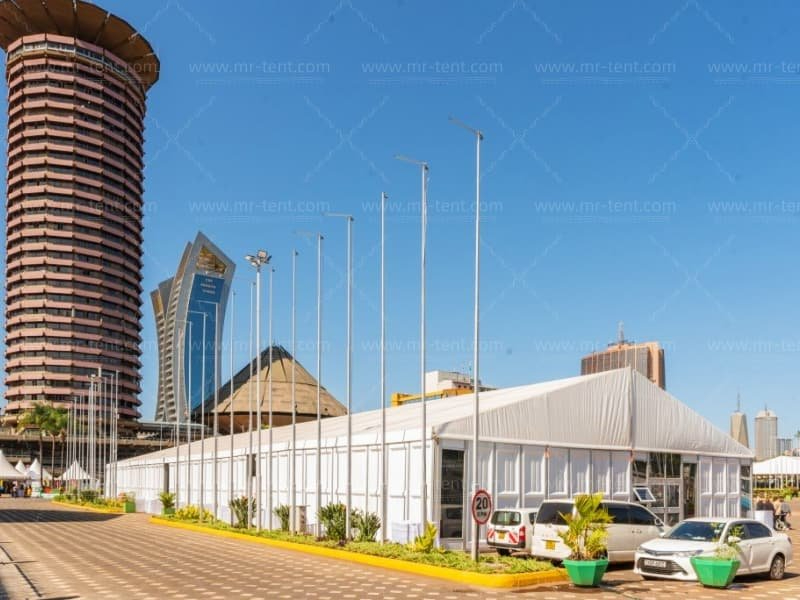
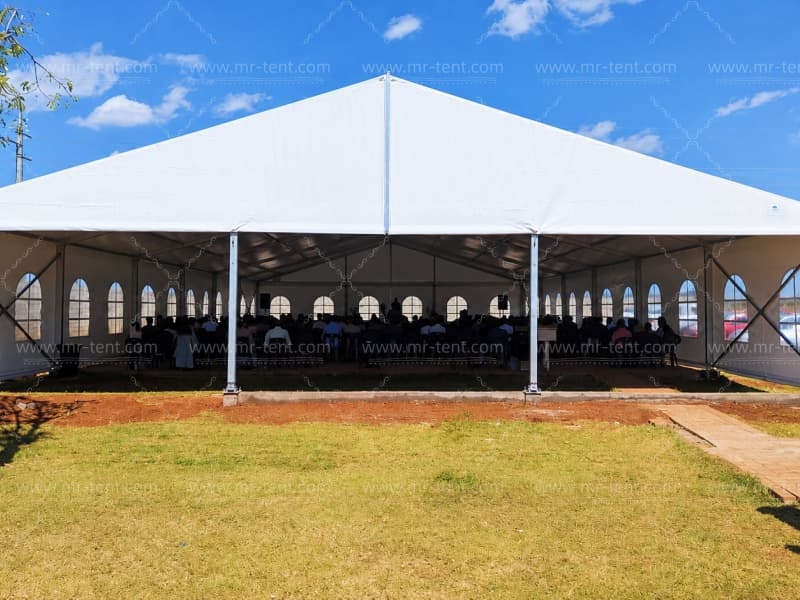
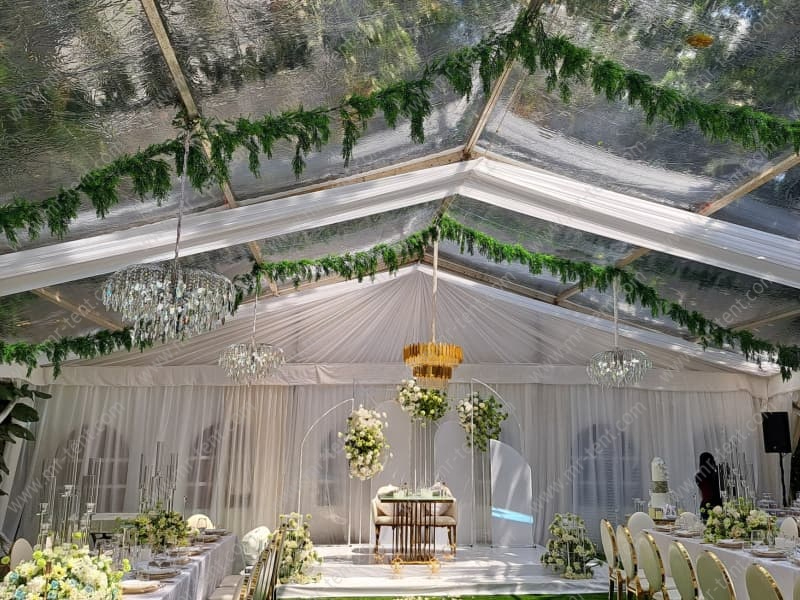
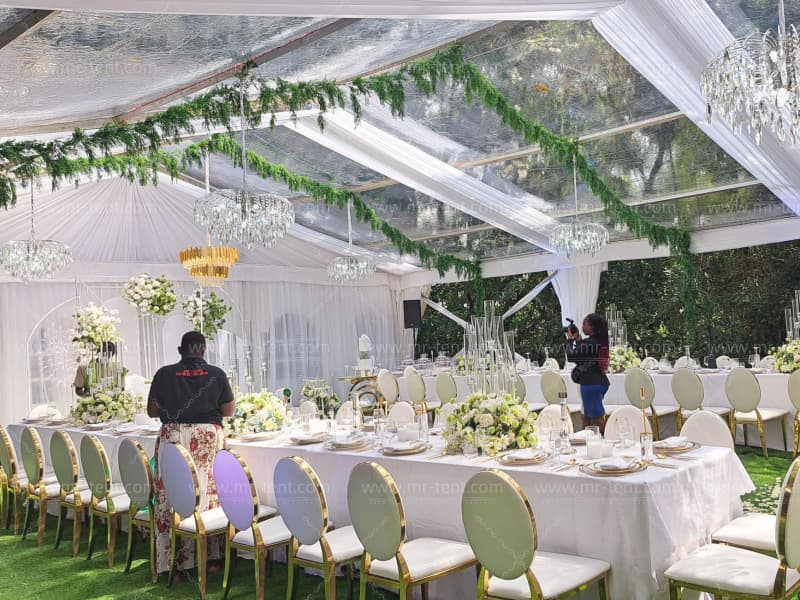
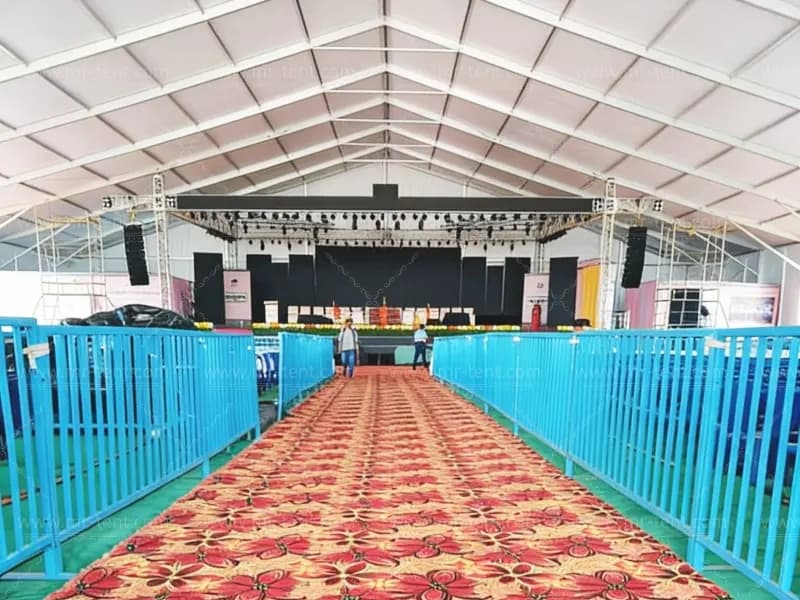
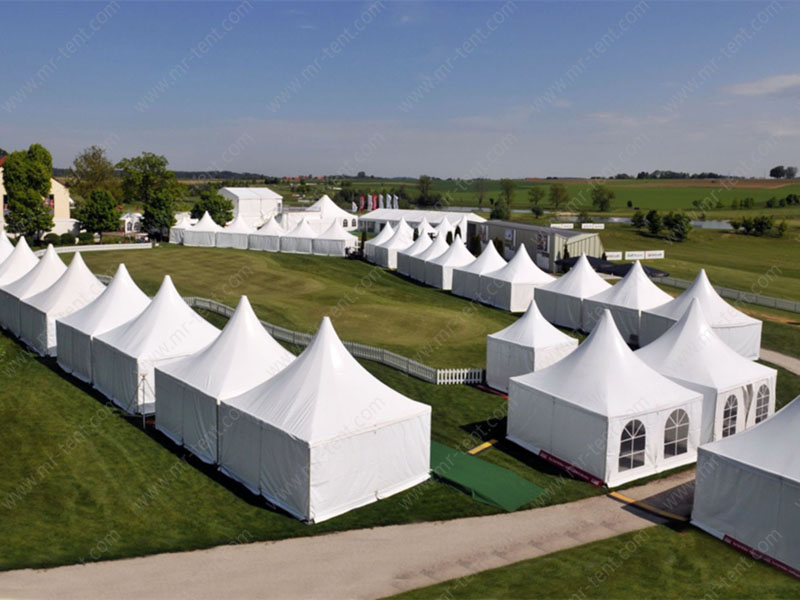
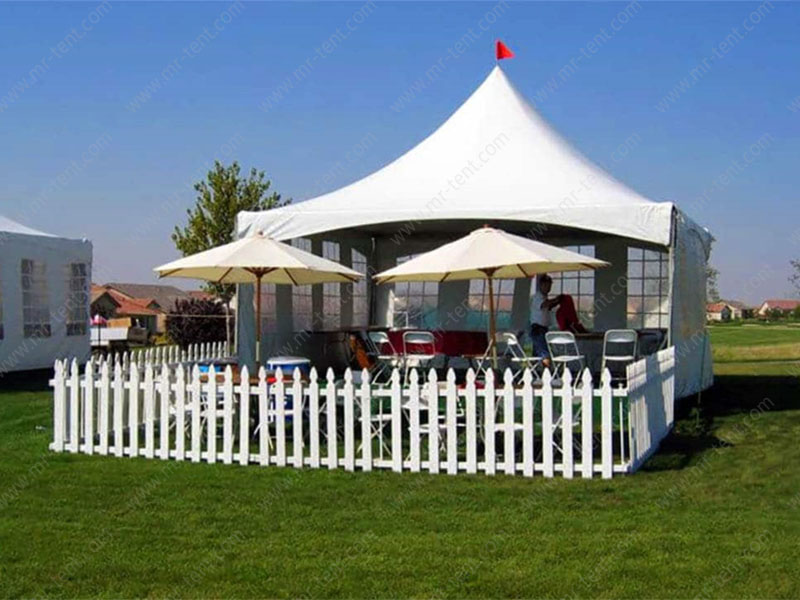
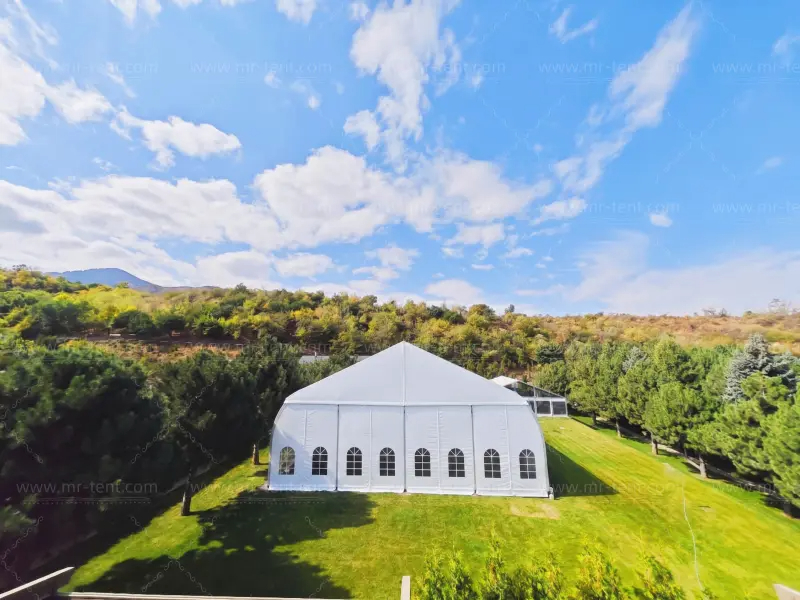
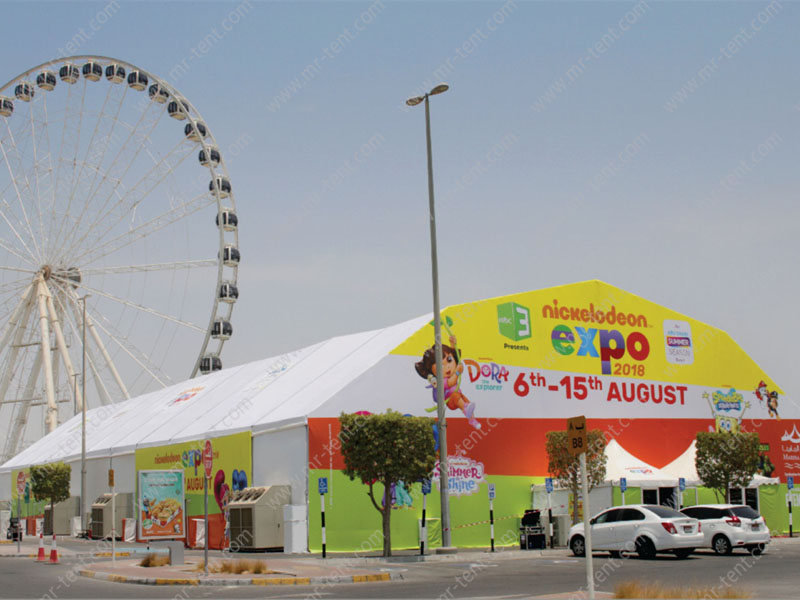
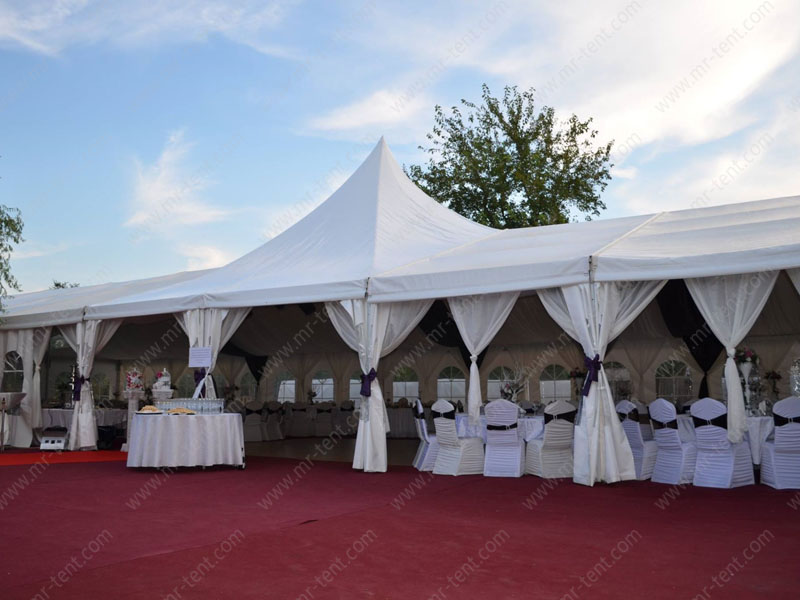
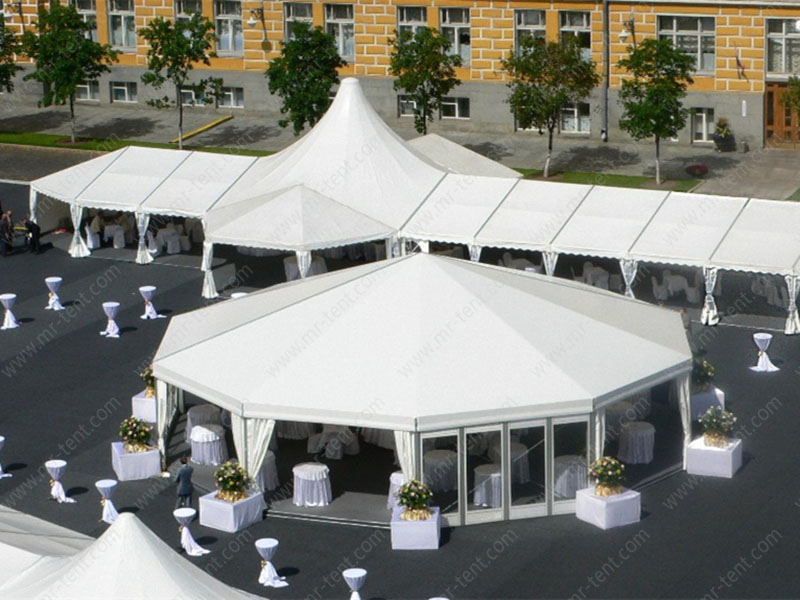
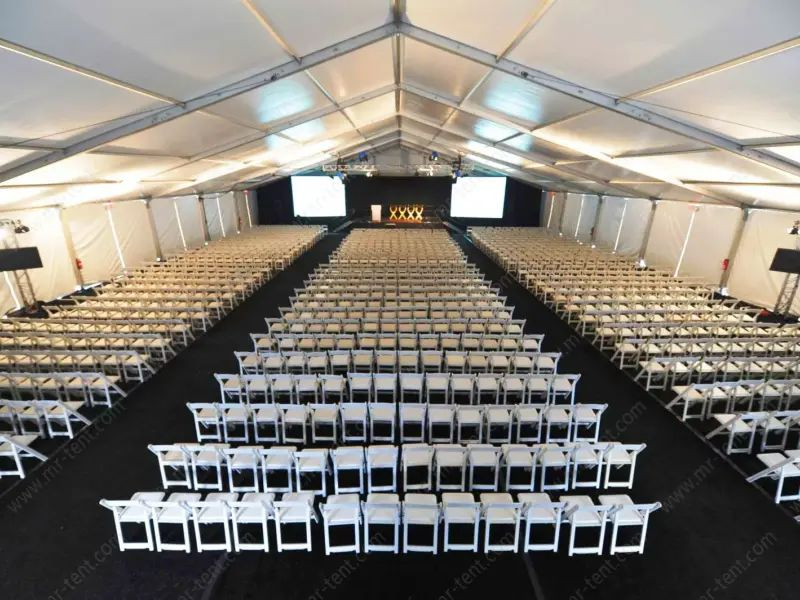
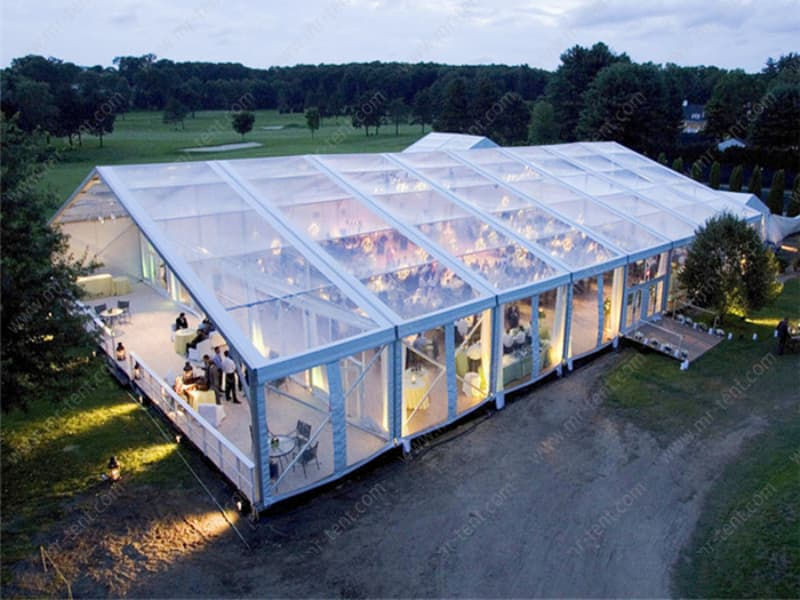
Beyond recreation, large tents play a crucial role in community and cultural events. Rural areas, in particular, benefit from their portability and capacity, as they can be quickly set up to host farmers’ markets, village fairs, or local festivals. A large tent in a town square transforms the space into a gathering place, shielding vendors and attendees alike from unpredictable weather while creating a cozy, inclusive atmosphere. In many cultures, these tents are also integral to traditional celebrations—whether it’s a harvest festival in a farming community, a wedding in a rural village, or a religious gathering in an open field. Unlike indoor venues that often have strict capacity limits and rigid layouts, large tents offer flexibility in design and space, allowing organizers to customize the setup to fit the event’s unique needs. They can be adorned with decorations, divided into separate areas for dining and dancing, or configured to accommodate stage performances, making them a versatile choice for events that prioritize community engagement.
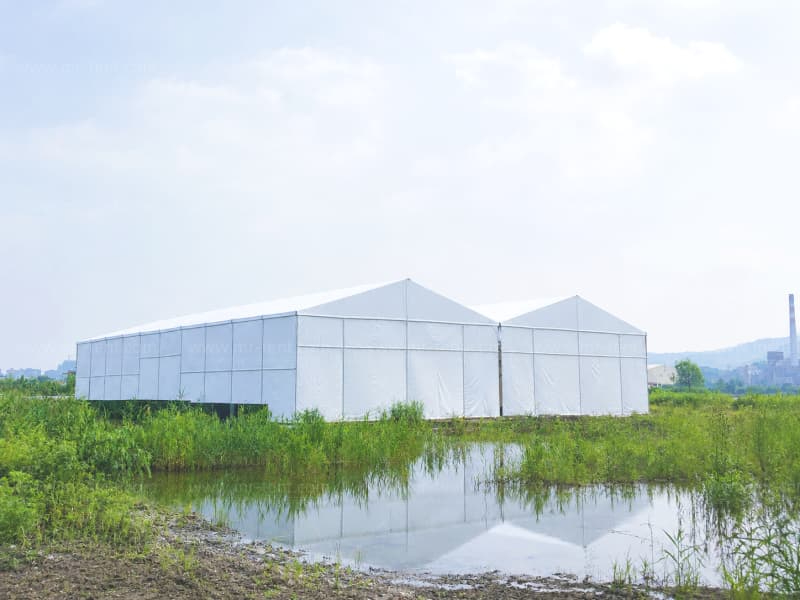
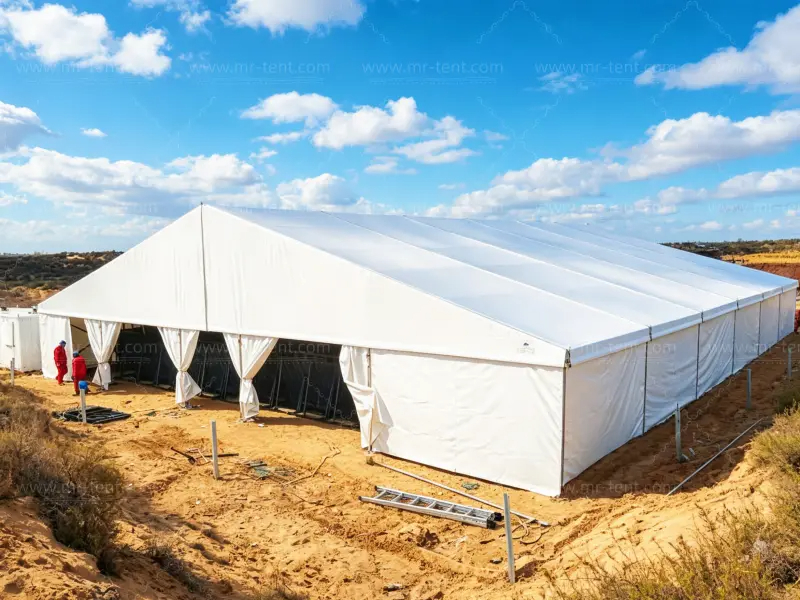
Large tents also serve practical purposes in emergency and relief efforts. When natural disasters such as floods, wildfires, or earthquakes displace communities, large tents are deployed as temporary shelters, providing immediate protection for those who have lost their homes. These tents are designed to be durable and easy to assemble, even in challenging conditions, ensuring that relief workers can quickly establish safe zones for displaced families. They offer a sense of stability amid chaos, providing a space for people to sleep, store belongings, and receive essential services such as medical care or food distribution. In addition to natural disasters, large tents are also used in humanitarian crises, such as refugee camps, where they serve as long-term shelters for people fleeing conflict or persecution. In these contexts, large tents are more than just shelters—they are symbols of hope, offering a temporary home where communities can begin to rebuild and support one another.
The functionality of a large tent is defined by several key factors, including material, design, and size. When it comes to materials, durability and weather resistance are paramount. Most high-quality large tents are made from heavy-duty fabrics such as polyester, nylon, or canvas, each offering distinct advantages. Polyester and nylon are lightweight and water-resistant, making them ideal for camping and recreational use where portability is a priority. Canvas, on the other hand, is thicker and more breathable, providing better insulation in both hot and cold weather. It is also highly durable, able to withstand strong winds and heavy rain, making it a popular choice for long-term use or events in harsh environments. The choice of material often depends on the intended use of the tent—whether it’s for a weekend camping trip in mild weather or a permanent emergency shelter in a disaster zone.
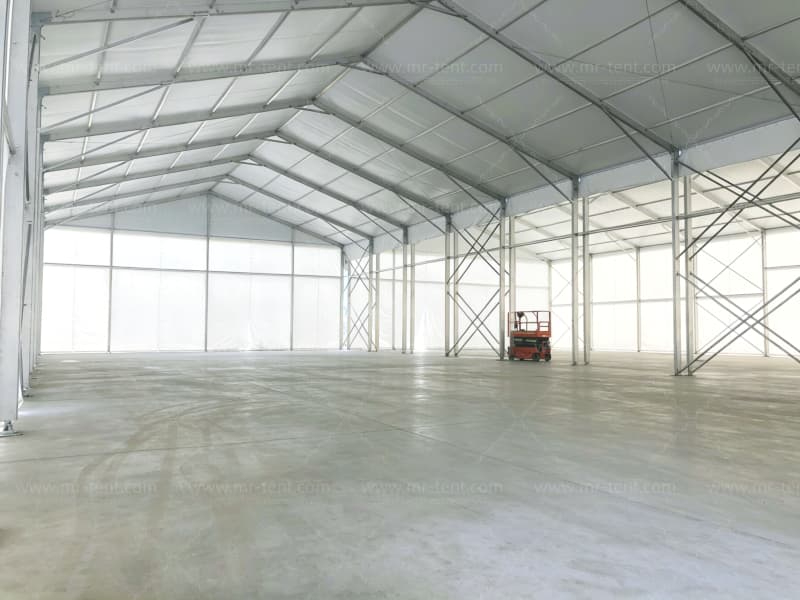
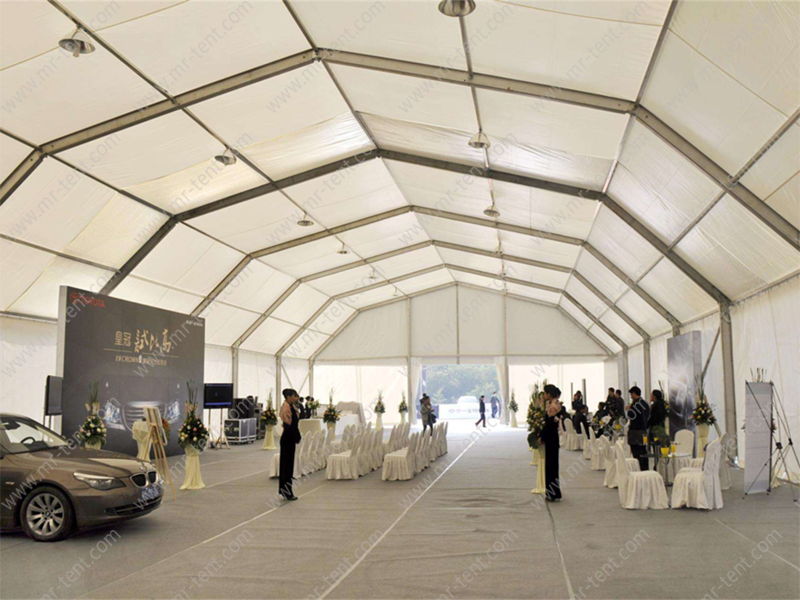
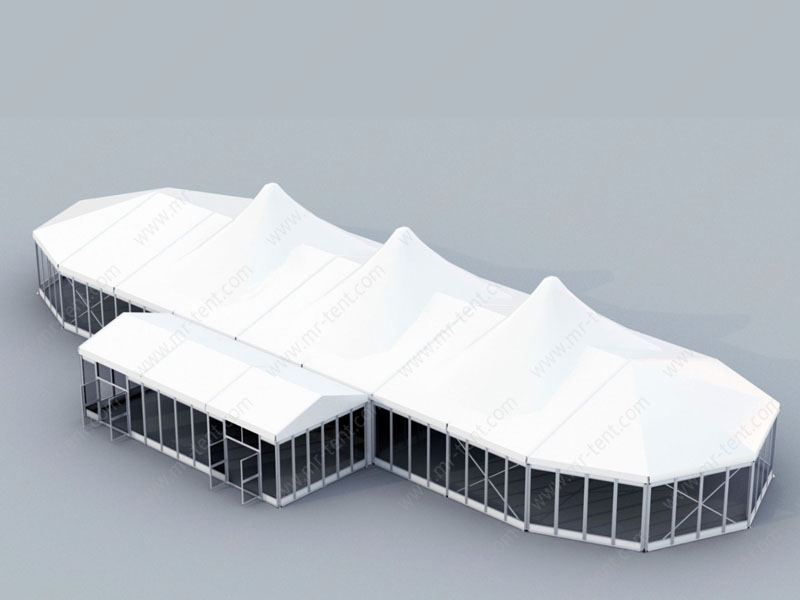
Design is another critical aspect that impacts the functionality of a large tent. The structure of the tent, including the frame type and ventilation system, plays a key role in its stability and comfort. Most large tents feature either a pole frame or an airframe design. Pole frames, made from materials such as aluminum or fiberglass, are sturdy and reliable, making them suitable for large tents that need to accommodate multiple people or heavy loads. Airframe tents, which use inflatable beams instead of poles, are easier to set up and take down, making them ideal for events where speed and portability are essential. Ventilation is also an important design feature, as it prevents condensation from building up inside the tent and ensures a steady flow of fresh air. Well-designed large tents include mesh windows, roof vents, and adjustable flaps that allow for optimal airflow, keeping the interior cool and comfortable even in hot weather.
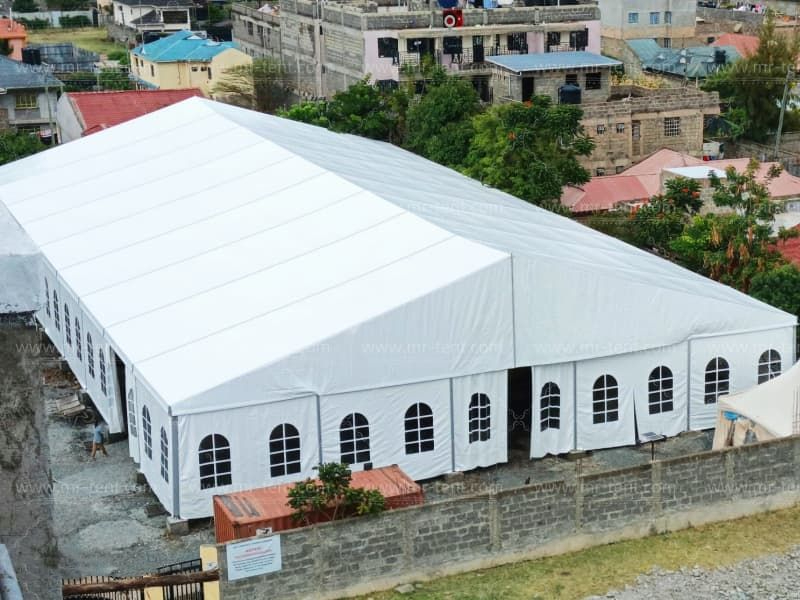
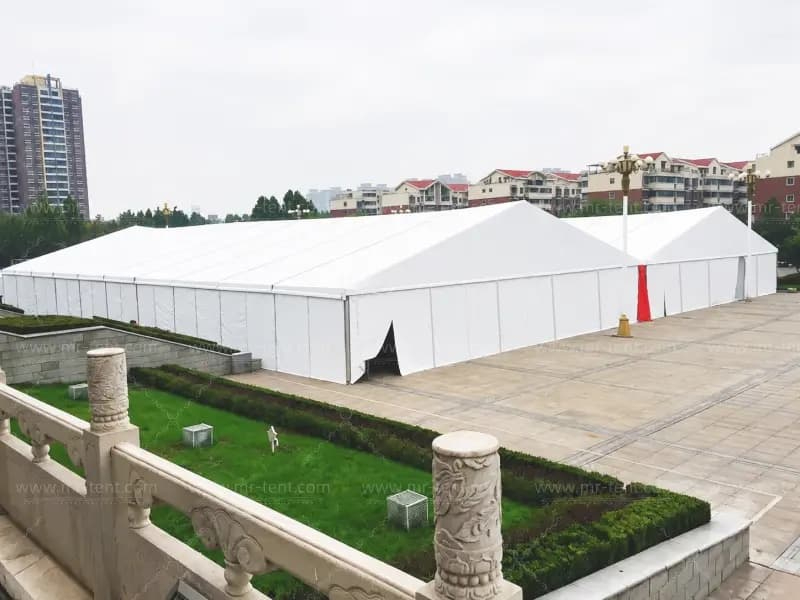
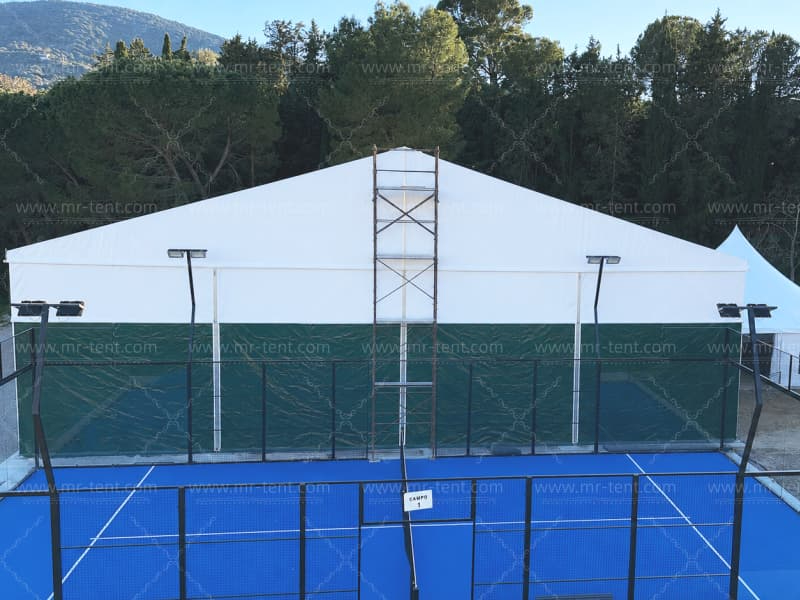
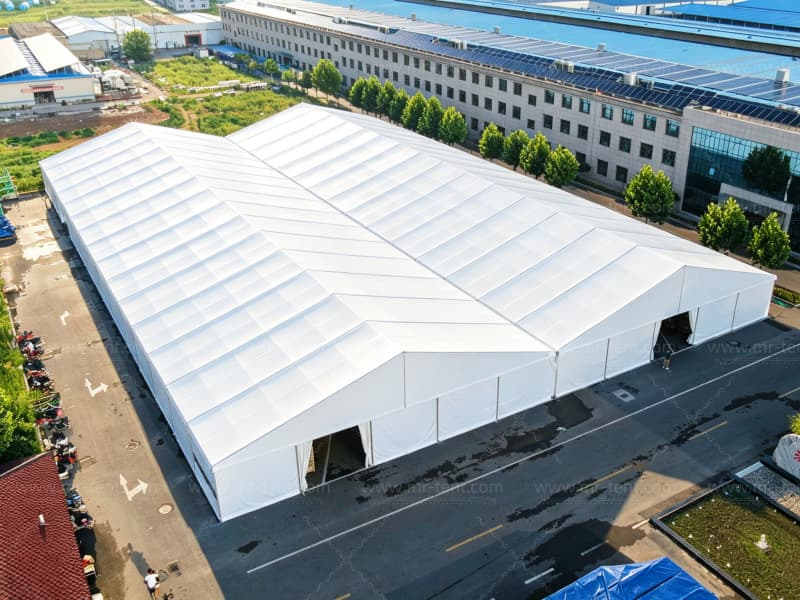
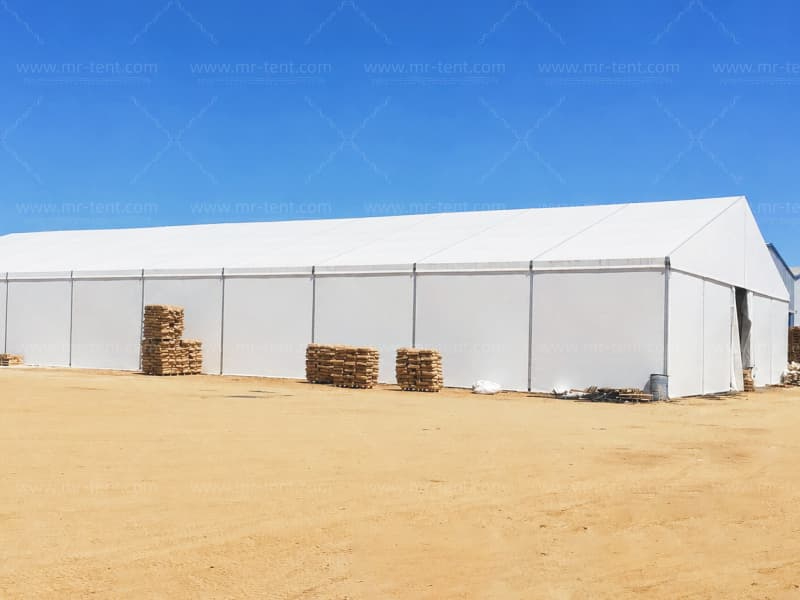
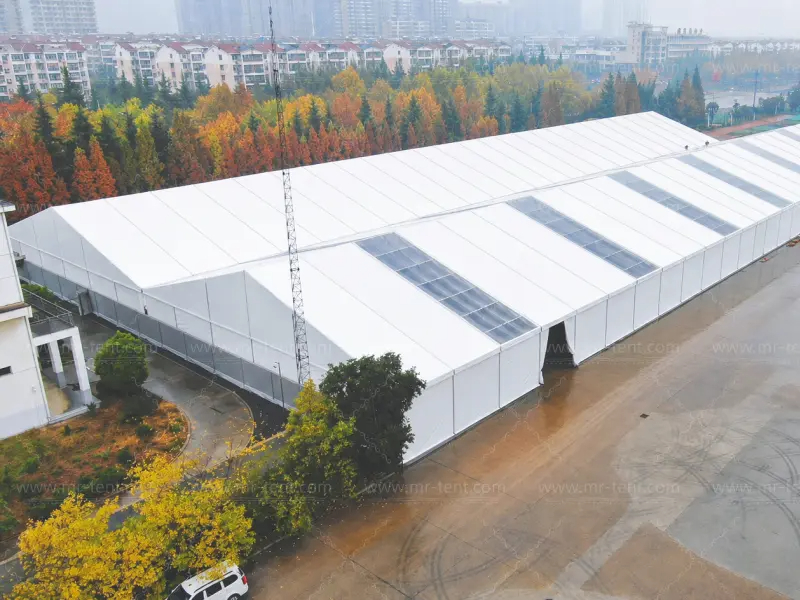
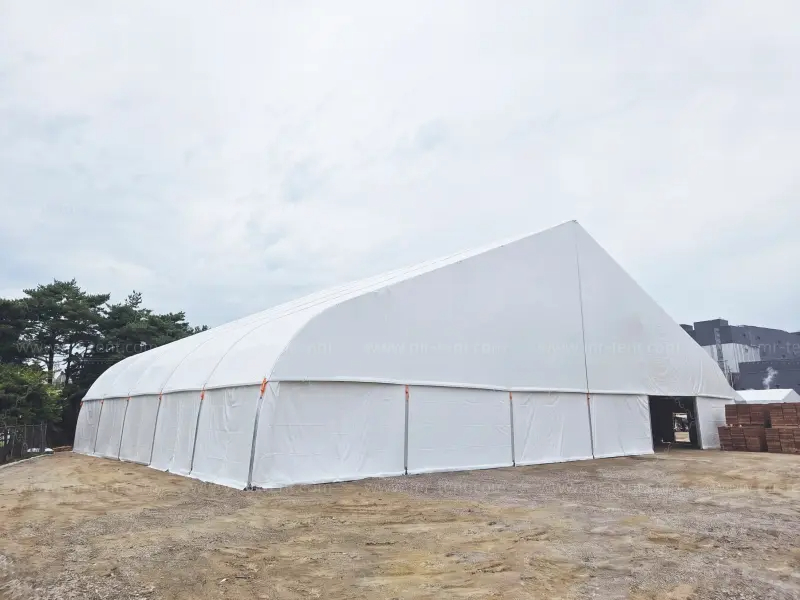
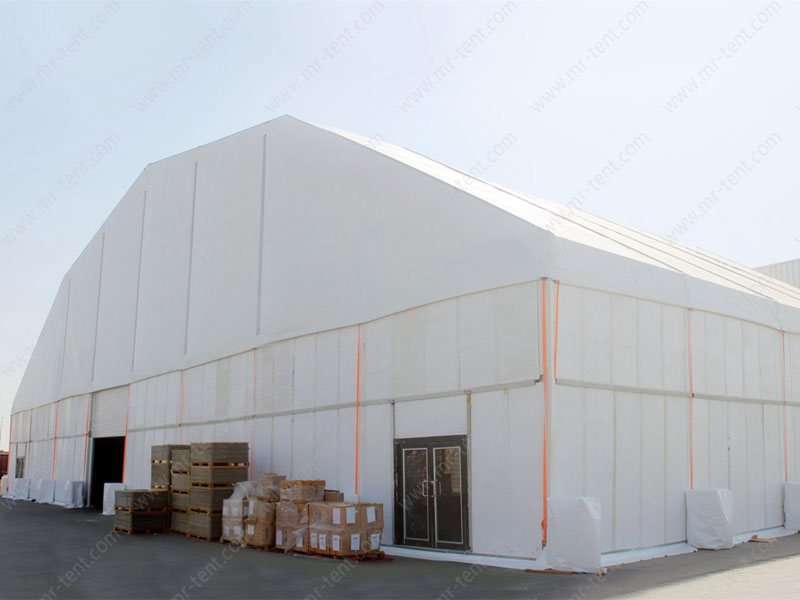
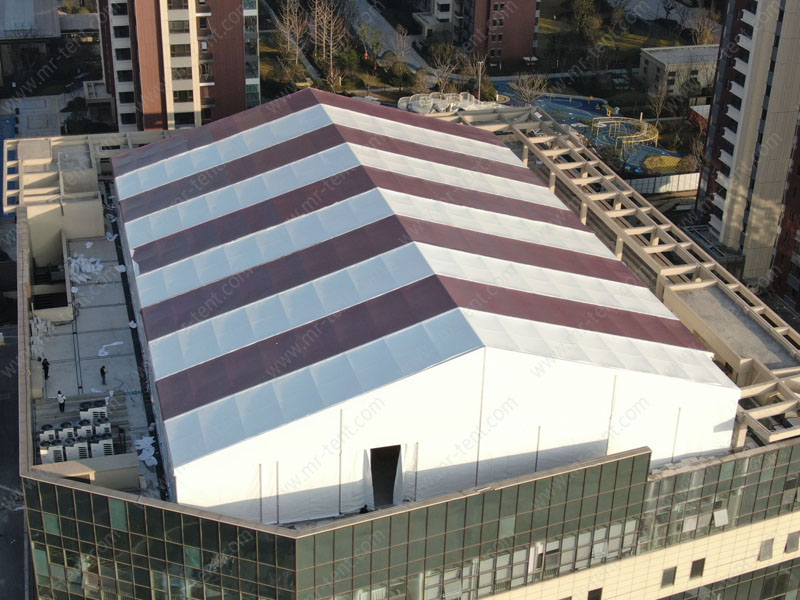
Size is, of course, a defining characteristic of large tents, and it varies widely depending on the intended use. Tents are typically measured by their floor area and capacity, with large tents ranging from 50 square meters to over 200 square meters. Smaller large tents, around 50-80 square meters, are ideal for group camping trips or small community events, accommodating 10-20 people. Larger tents, over 100 square meters, are used for large-scale events such as weddings, festivals, or emergency shelters, capable of housing 50 or more people. When choosing a large tent, it’s important to consider not just the number of people it will accommodate but also the additional space needed for furniture, storage, or activities. A tent that is too small can feel cramped and uncomfortable, while a tent that is too large may be difficult to set up and maintain, especially in windy conditions.
The use of large tents also reflects a growing desire among people to connect with nature and embrace a more flexible lifestyle. In a world where many of us spend the majority of our time indoors, surrounded by concrete and technology, large tents offer a way to escape the confines of urban life and immerse ourselves in the great outdoors. They allow us to sleep under the stars, wake up to the sound of birdsong, and experience the changing seasons in a more intimate way. For many, camping in a large tent is not just a vacation but a form of therapy—an opportunity to disconnect from the stress of daily life and reconnect with ourselves and our loved ones. It encourages simplicity, as we learn to live with fewer possessions and focus on the things that truly matter: good company, fresh air, and the beauty of the natural world.
Large tents also play a role in promoting sustainable living and eco-friendly practices. Unlike permanent structures, which require significant resources to build and maintain, large tents have a smaller environmental footprint. They are portable, meaning they can be moved from one location to another without leaving a lasting impact on the land. Many modern large tents are also made from eco-friendly materials, such as recycled polyester or organic cotton, further reducing their environmental impact. In addition, camping in a large tent encourages people to be more mindful of their consumption, as they must bring only the essentials and minimize waste. This focus on sustainability is particularly important in today’s world, where climate change and environmental degradation are major concerns. By choosing to use a large tent instead of a permanent structure, we can reduce our carbon footprint and contribute to a more sustainable future.
Maintaining a large tent is essential to ensuring its longevity and functionality. Proper care and storage can extend the life of a tent by several years, making it a worthwhile investment. After each use, it’s important to clean the tent thoroughly, removing any dirt, debris, or moisture. This can be done by wiping down the interior and exterior with a damp cloth and allowing the tent to dry completely before storing it. Storing the tent in a cool, dry place is also important, as moisture can lead to mold and mildew, which can damage the fabric and reduce the tent’s water resistance. It’s also a good idea to inspect the tent regularly for signs of wear and tear, such as holes, tears, or broken zippers, and repair them promptly to prevent further damage. For long-term storage, it’s best to fold the tent loosely rather than rolling it tightly, as this can cause creases and weaken the fabric over time.
In conclusion, large tents are much more than just portable shelters—they are versatile tools that enrich our lives in countless ways. Whether used for recreation, community events, or emergency relief, they offer a unique combination of freedom, flexibility, and comfort. Their design and materials are tailored to meet the diverse needs of their users, from casual campers to relief workers, and their ability to bring people together in outdoor spaces fosters connection and a sense of community. In a world that is increasingly disconnected from nature and each other, large tents remind us of the importance of simplicity, togetherness, and our relationship with the natural world. They are a testament to human ingenuity, offering a practical solution to the need for shelter while also inspiring us to explore, connect, and embrace the great outdoors. As we continue to seek ways to live more flexibly and sustainably, large tents will undoubtedly remain an important part of our lives, adapting to new needs and creating new opportunities for adventure and connection.